Hoping for a “Tristan for the ages” in New York next month, John Danaher considers five versions of Tristan’s Act III “Muss ich dich so verstehn” for “Perspectives on an Aria.”
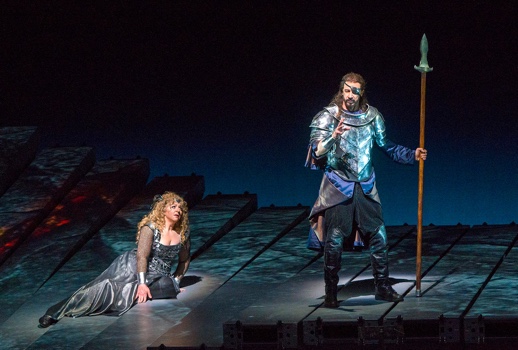
Yannick Nézet-Séguin leads the Philadelphia Orchestra, Stuart Skelton, and Nina Stemme in a Tristan und Isolde for the ages
Not even howling winds and thunderous rain could dampen the excitement of Bay Area audiences to experience Norwegian soprano Lise Davidsen for the first time in the Bay Area at Zellerbach Hall Berkeley last Tuesday, 4 February.
Soprano Erin Wall died in early October, a month shy of her 45th birthday; Trove Thursday remembers her with a 2012 broadcast of Kaija Saariaho’s shimmering L’Amour de Loin.
Imagine my surprise then when I discovered a new recording of Tristan und Isolde released by Navona Records, a small label based in New Hampshire that primarily focuses on recitals of chamber music, solo works, and smaller ensemble pieces.
Cycle II represented an embarrassment of musical riches.
Die Walküre crystallizes the cycle’s questions, ideas, and stakes.
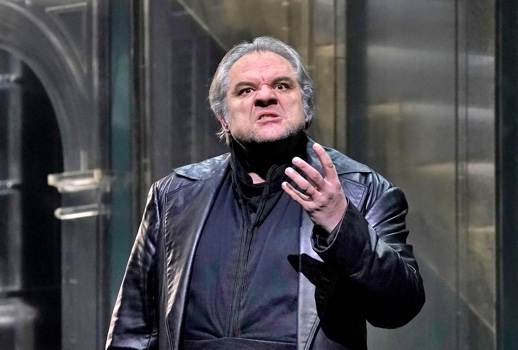
At Friday’s opening of Otello, there was a good deal of interesting going on, though not all of it necessarily onstage.

I count myself as privileged to have witnessed Götterdämmerungat the Royal Opera House during this season’s revival of Keith Warner’s Ring.
As the first of the 2018 opera productions last Saturday, the Merola Opera Program chose Mozart’s rarely-performed early serenata, Il re pastore.
J.S. Bach doesn’t get a lot of attention on this site although he wrote tons of vocal music.
The tendency to rank—to create subjective lists of best or greatest, or to organize things in ascending or descending order—is a human compulsion.
You’d think by now I’d know better than to make snap judgments about an opera or a singer—but apparently not.
A poster outside Carnegie Hall proclaimed “Mahler Well Met” and to some degree it proved to be true.
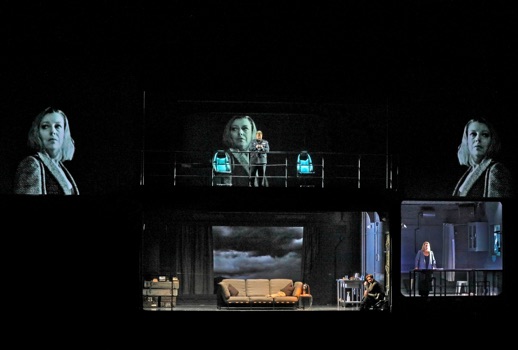
Mariusz Trelinski unveiled a rather gloomy, though musically satisfying, Tristan und Isolde.
Now we have considered the three “winners” in the Tristan competition, let’s turn to the also-rans, or, to be more optimistic, the runners up.
Das Rheingold is the outlier among the Ring operas, an ensemble work with a fast-shifting plot, animated dialogue, fewer set pieces and less character development.
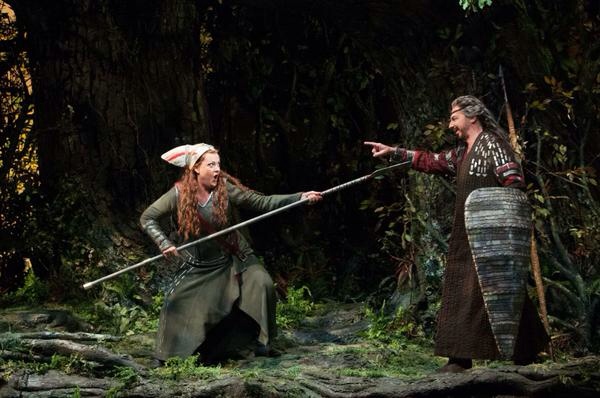
Is Der Ring des Nibelungen responsible for the transformation of Seattle from a gray, damp, low-rise Boeing company town where half the jokes had punchlines in Norwegian (and were about lutefisk in any case) into today's booming cultural metropolis? I like to think so.
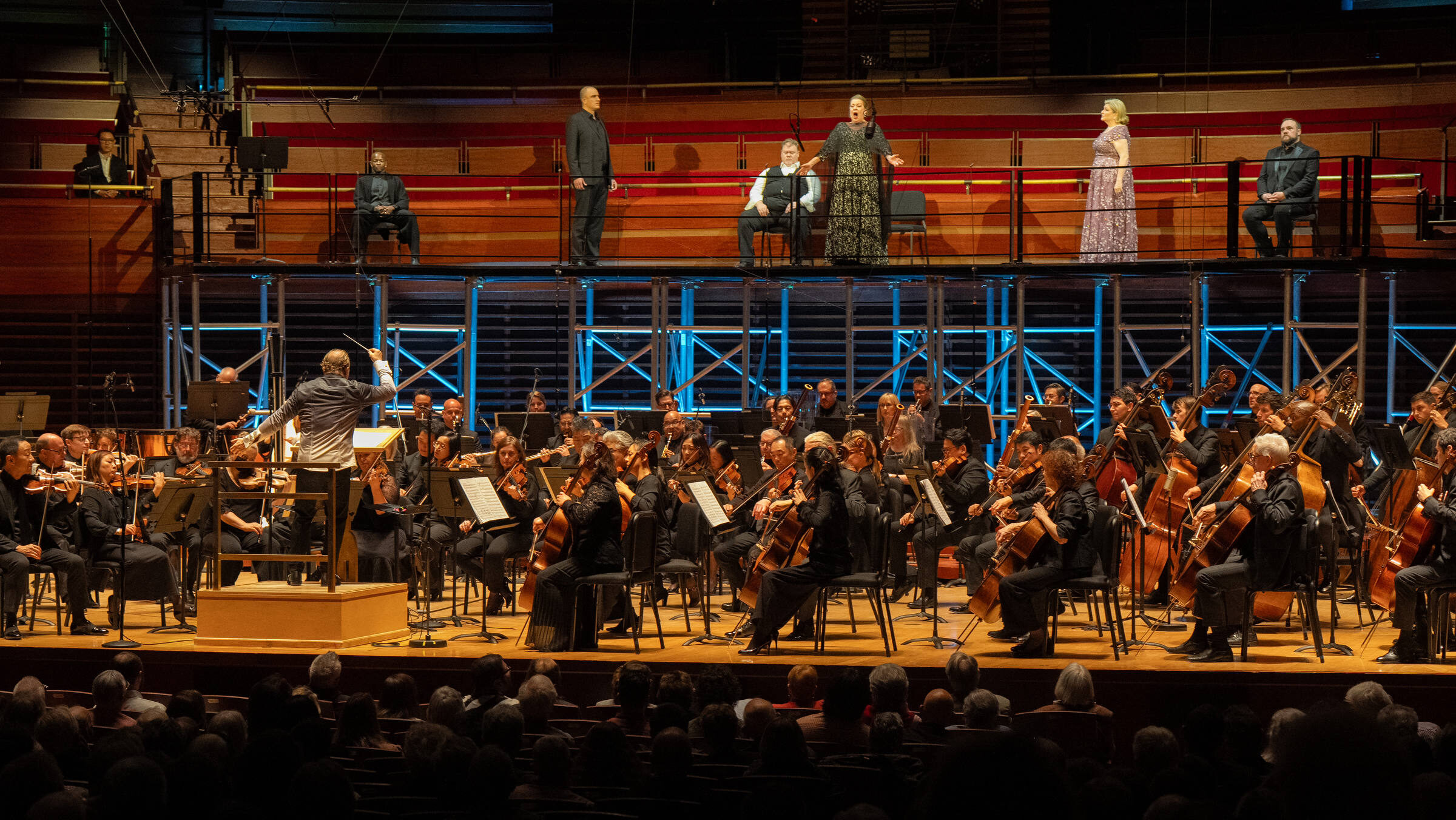
Tell us: Filth or dementia?
Hasten thee to feed another quarter of conversation for The Talk of the Town!
Sign up for our free Newsletter.
Support Parterre Box
Donate to keep opera's liveliest publication free and independent. No paywalls, no institutional backing, no bootlicking.
Get our free newsletter
Opera's top reads delivered to your email weekly…ish.
Join over 100k readers.
The best opera magazine on the web.
Reviews, breaking news, critical essays, and brainrot commentary on opera from those demented enough to love it.
Essentials
Copyright © 2026 Parterre Box.
All rights reserved.
Registration or use of this site constitutes acceptance of our Terms & Conditions and our Privacy Policy.
Sign up for Parterre’s free newsletter.
Exclusive opera reviews, commentary, and top reads
delivered to your email weekly…ish.