
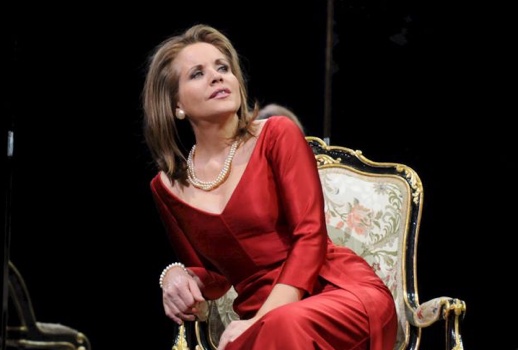
‘Ja, ja’ land
We leave behind the Vienna of the 1740s, the time of breeches, fans and white wigs.
56 pieces since 2009 — at 4 companies, most often at Metropolitan Opera.
We leave behind the Vienna of the 1740s, the time of breeches, fans and white wigs.
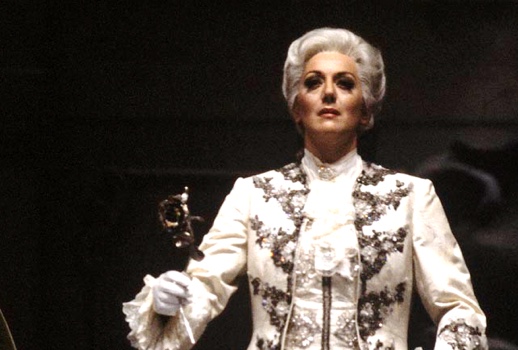
Our selected Rosenkavalier video overview closes out the 20th-century selections, crosses the millennial mark, and includes the first of our performances to depart from the opera’s prescribed 18th-century setting.
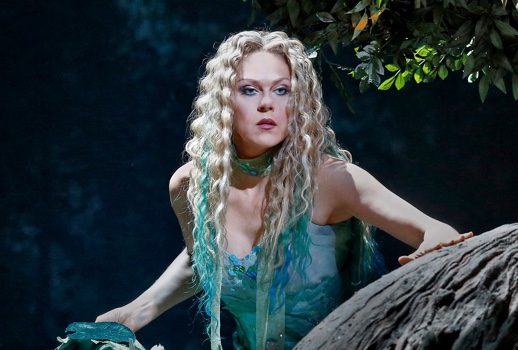
So, how excited are you to read another piece about the Mary Zimmerman Rusalka?
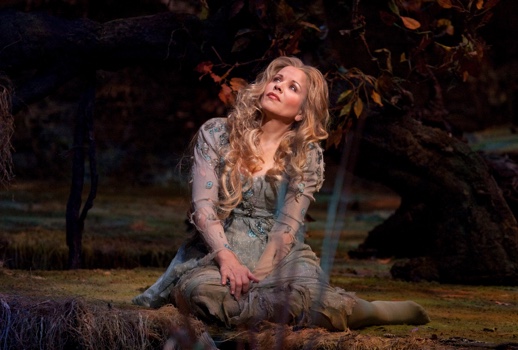
Today’s Rusalka video overview covers filmed performances of Dvorák’s opera since 2010.
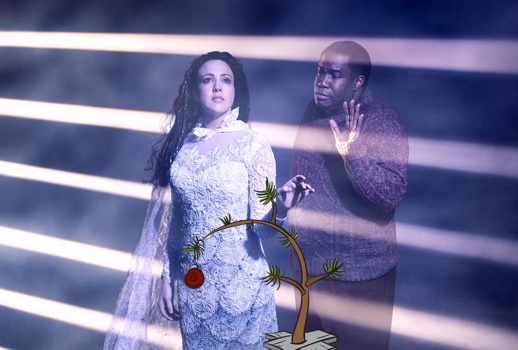
With Christmas Eve 2016 falling on a Saturday, the Met offers contrasting orchestral splendors at noon and 6 p.m.
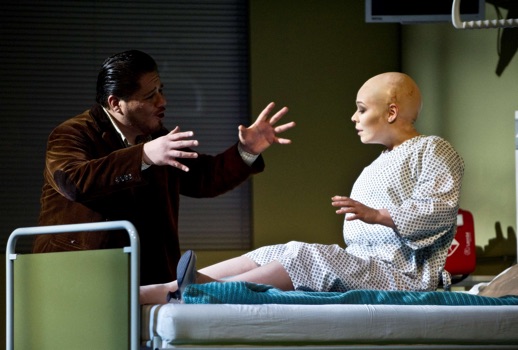
>What does a great opera production do, and what does a bad production fail to do?

Mimìs, Violettas, and Cio-Cio-Sans may live, love, and meet their ends without a tear from me, but I have never left a performance of Janácek’s The Cunning Little Vixen dry-eyed.
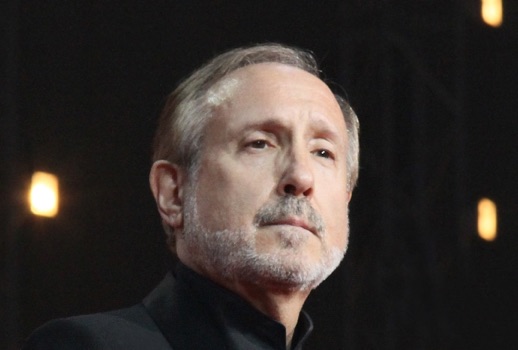
I am happy to finally add Les contes d’Hoffmann to the playlist in a Salzburg performance from 2003 with Neil Shicoff in one of his parade roles.
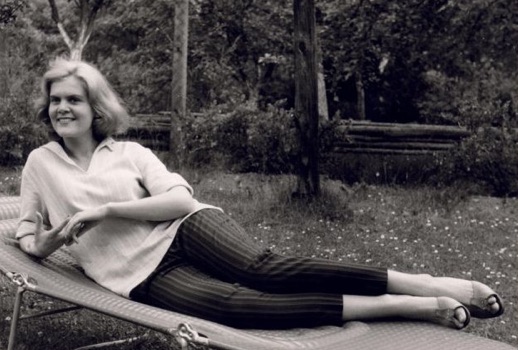
The cast of Wiener Staatsoper’s first-ever performance of Lulu in 1968 reads like a Who’s Who of then-contemporary Austro-German opera: the 28-year-old Anja Silja, Martha Mödl, Waldemar Kmentt, Hans Hotter, Hilde Konetzni, Manfred Jungwirth, Heinz Zednik, and Karl Böhm presiding over a production by Otto Schenk.
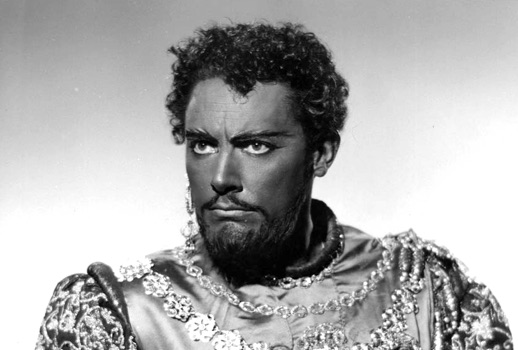
It’s time to add more legends to my Mixcloud site: Mario Del Monaco, Raina Kabaivanska, and Tito Gobbi star in this 1962 performance of Otello from Covent Garden led by Georg Solti.
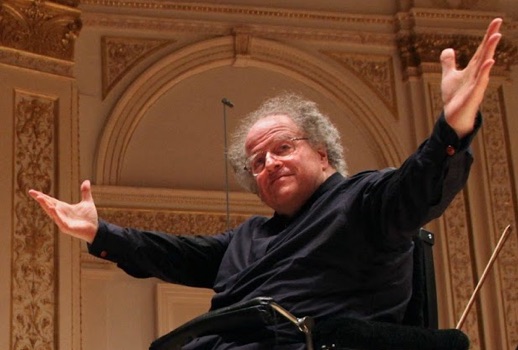
I can scarcely remember a performance where so many conflicting thoughts raced through my mind as happened Thursday night during the Met Orchestra’s “bleeding chunks” of Wagner’s Ring at Carnegie Hall.
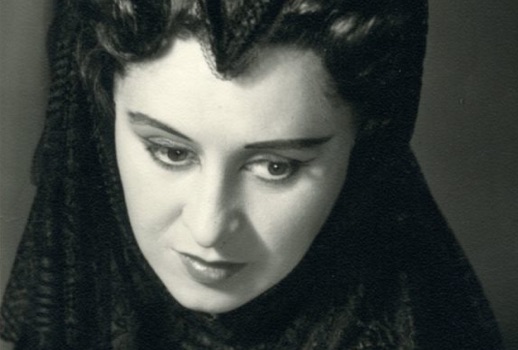
“Trove Thursday” presents Sena Jurinac‘s radiant portrayal of Janacek’s Jenufa opposite the implacable Kostelnicka of Martha Mödl.
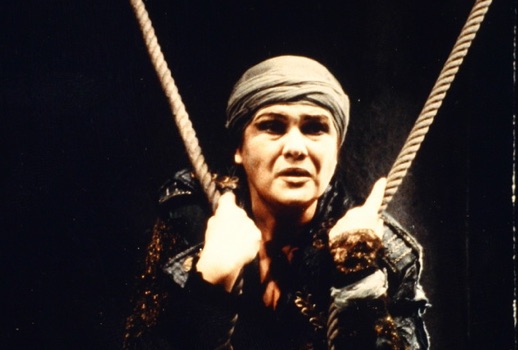
“I will never sing the role again. It was frightful. We were a set of madwomen…There is nothing beyond Elektra. We have lived and reached the furthest boundaries in dramatic writing for the voice with Wagner. But Richard Strauss goes beyond him. His singing voices are lost. We have come to a full stop.”
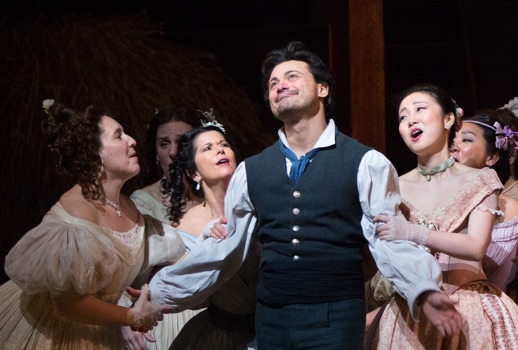
As portrayed by Vittorio Grigolo, Nemorino was a manic self-absorbed, probably bipolar, stalker who—against all odds and good sense—gets the poor girl.
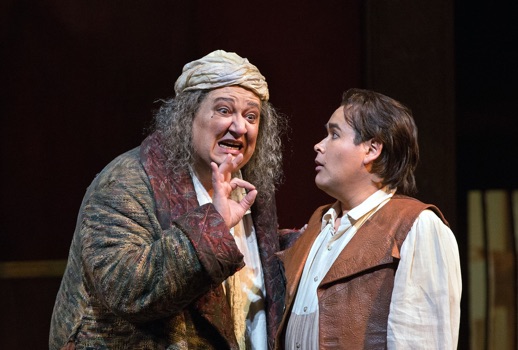
These days a cadre of voluble opera-goers regularly issues dire warnings that anyone about to attend this or that production at the Met should close her eyes and just listen rather than witness yet another Peter Gelb regie “atrocity.”
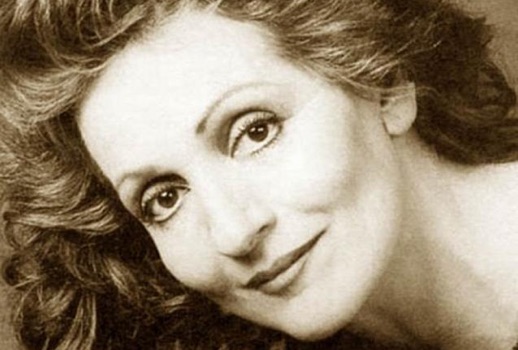
This week’s “Trove Thursday” features noted Wagnerian Hildegard Behrens revisiting Rusalka, one of her early, lyric roles.
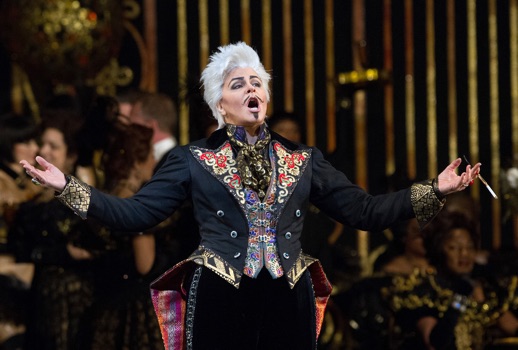
One can only pray that “three strikes, you’re out” applies at the Met. If so, we can rest easy that Jeremy Sams won’t be getting any new assignments.
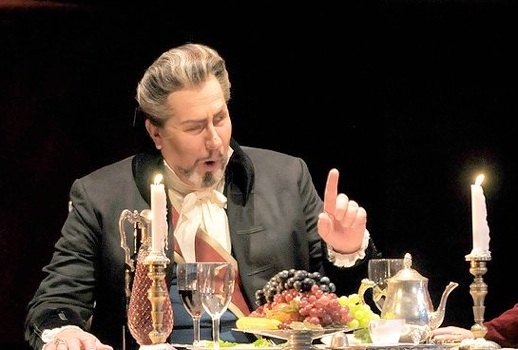
Between them, Maria Guleghina, Marcello Giordani, James Morris and John Del Carlo have nearly 150 combined years of service on stage.

With help from the Met’s invaluable performance archive, here is a look back at just some of what you could have seen, and perhaps did see, on October 31st through the years at the Met.
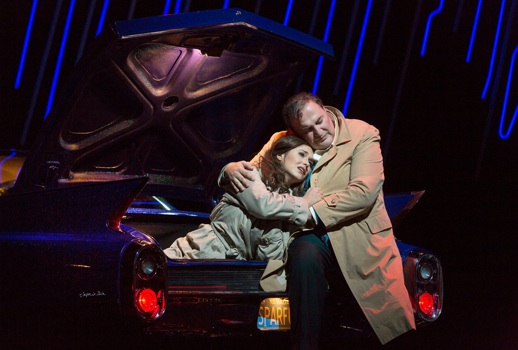
After nearly three years and over 20 performances Michael Mayer’s “Las Vegas” production of Rigoletto at the Metropolitan Opera still outrages many.
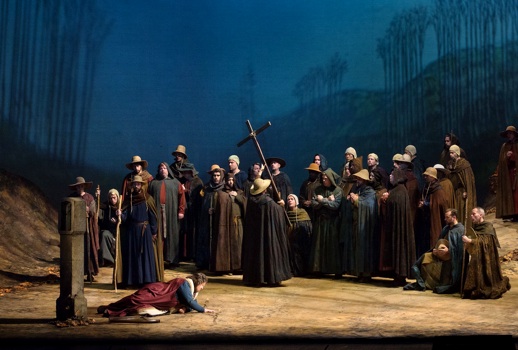
Although the season is less than three weeks old, Metropolitan Opera audiences may hear nothing else this season as beautiful as Peter Mattei’s “Song to the Evening Star.”

The winter 2014 final run of the Met’s first/only Rusalka production (a new one is scheduled in a few seasons) seemed both a nod to the theater’s past and a hint of its future.

The legend of the mermaid is ancient, and recently scientists have theorized that these legends might have arisen when humans encountered marine mammals such as whales, seals, or sea lions.
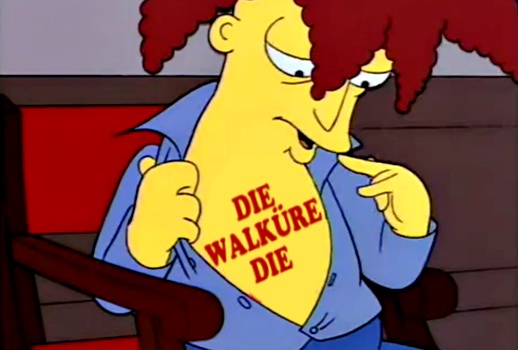
If Frank Castorf‘s work on Der Ring des Nibelungen at Bayreuth accomplishes nothing else, it should serve as a sort of loud disorganized reminder of the dangers of indulging in the intentional fallacy.

The days are getting shorter, but you can keep the prattle going this fall’s Talk of the Town! You will, you can, you must join in the discussion about: Great mezzo soprano performances (October),
Gained in translation (November), Teleport me back to… (December).
Exclusive opera reviews, commentary, and top reads
delivered to your email weekly…ish.