
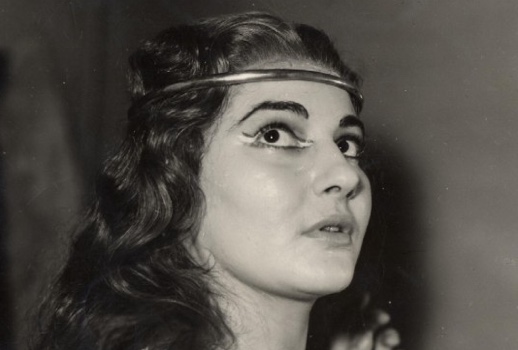
Divinity, restored
All the daring and imagination of La Divina’s live work, particularly in the early years, is revealed in Warner Classics’ Maria Callas: The Live Recordings.
11 pieces since 2011 — in 7 roles, at 3 companies, most often at Glyndebourne Festival Opera.
All the daring and imagination of La Divina’s live work, particularly in the early years, is revealed in Warner Classics’ Maria Callas: The Live Recordings.
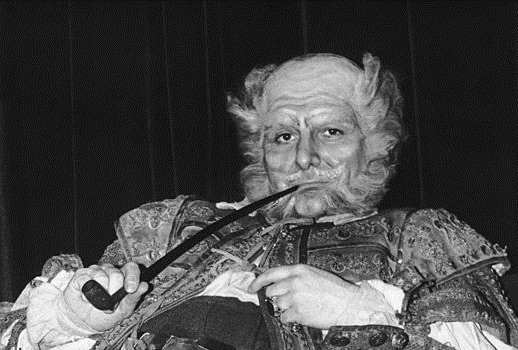
Falstaff, Verdi’s totally unexpected, final, great comedic roar.
It’s kind of shocking, when you really think about it, that the kind of international operatic model that the Royal Opera now operates on barely existed only 50 years ago. Until around 1960 most of the performances at the Covent Garden were given in English and the casting choices were enough to make the Vicar […]
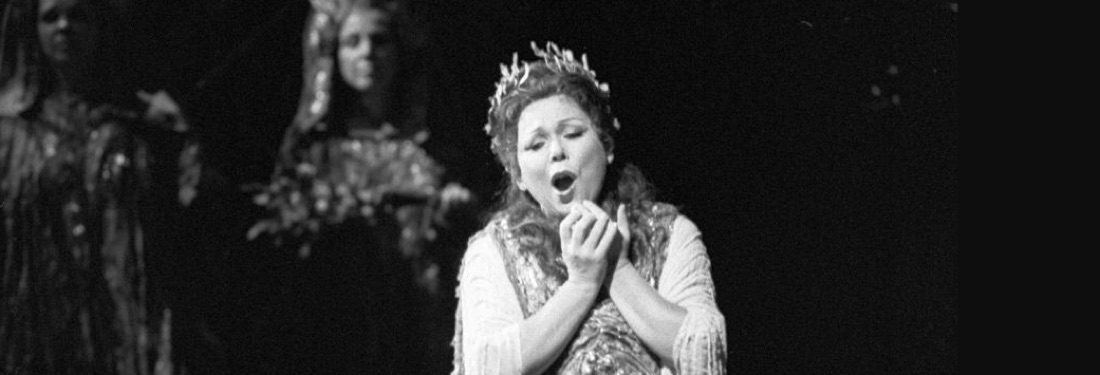
Several prima donnas have ought to resurrect La Vestale, including Renata Scotto, whose priestess highlights this week’s “Trove Thursday.”
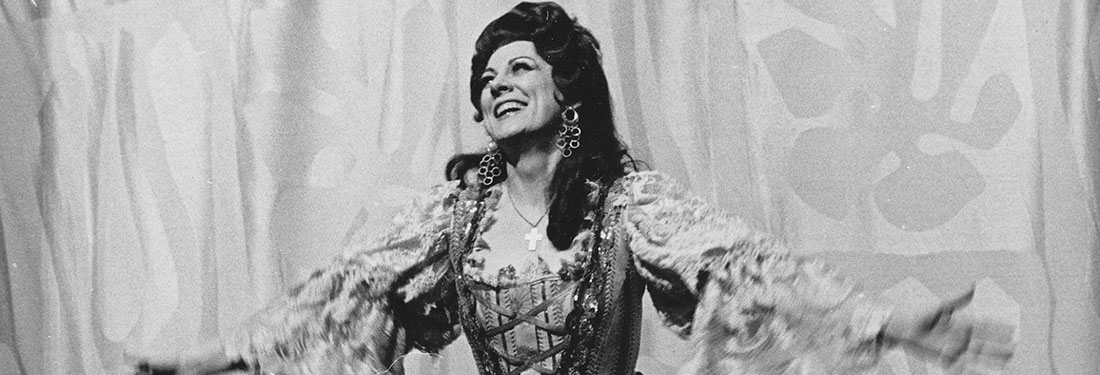
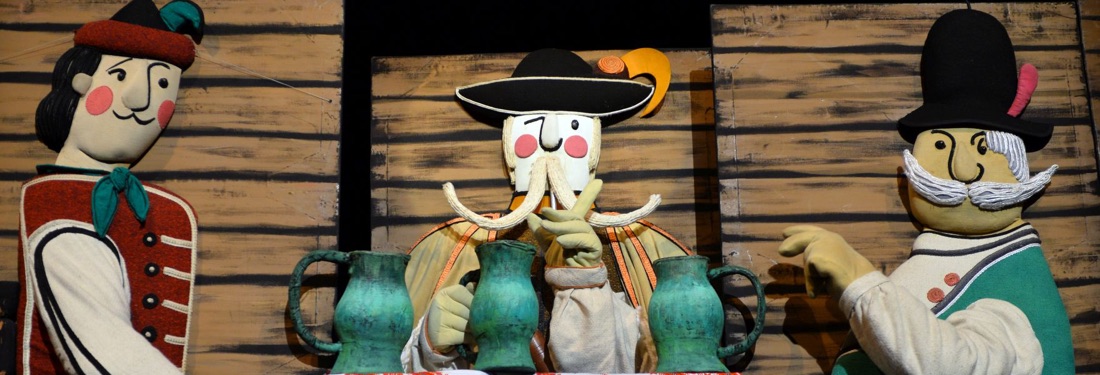
This week’s Trove Thursday—Kodály’s Háry János in a 1955 RAI broadcast in Italian led by famed Hungarian conductor Ferenc Fricsay—may be a bit brief as C-19 finally arrived last week chez CC.
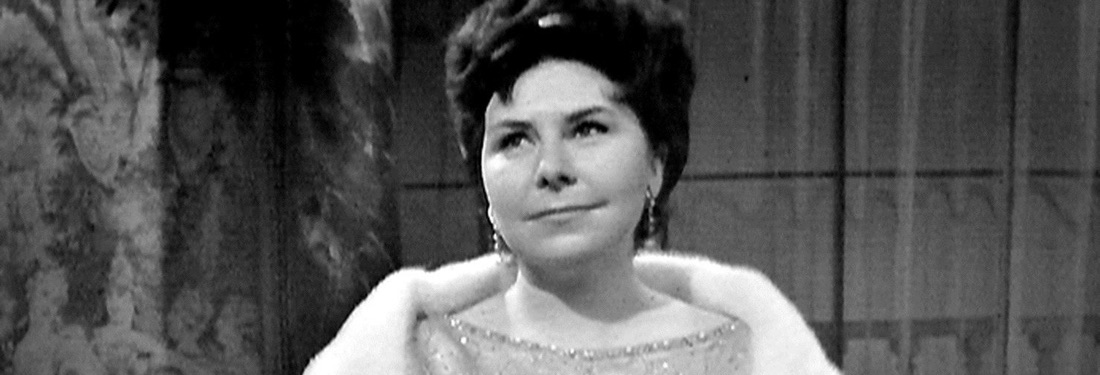
For the fourth annual edition of “Handel for my birthday” Trove Thursday serves up three heaping portions of “old-fashioned oratorio.”
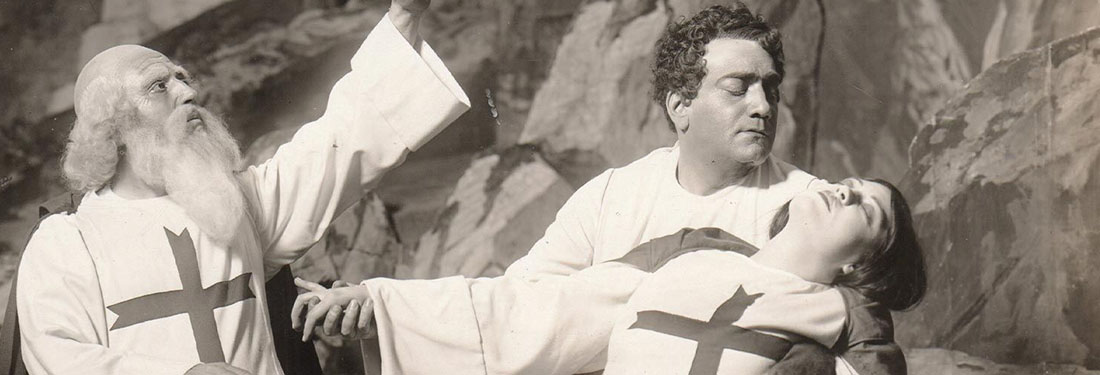
As said at the beginning, I implied I’d rather see Don Carlo(s) and listen to Forza.

The days are getting shorter, but you can keep the prattle going this fall’s Talk of the Town! You will, you can, you must join in the discussion about: Great mezzo soprano performances (October),
Gained in translation (November), Teleport me back to… (December).
Exclusive opera reviews, commentary, and top reads
delivered to your email weekly…ish.