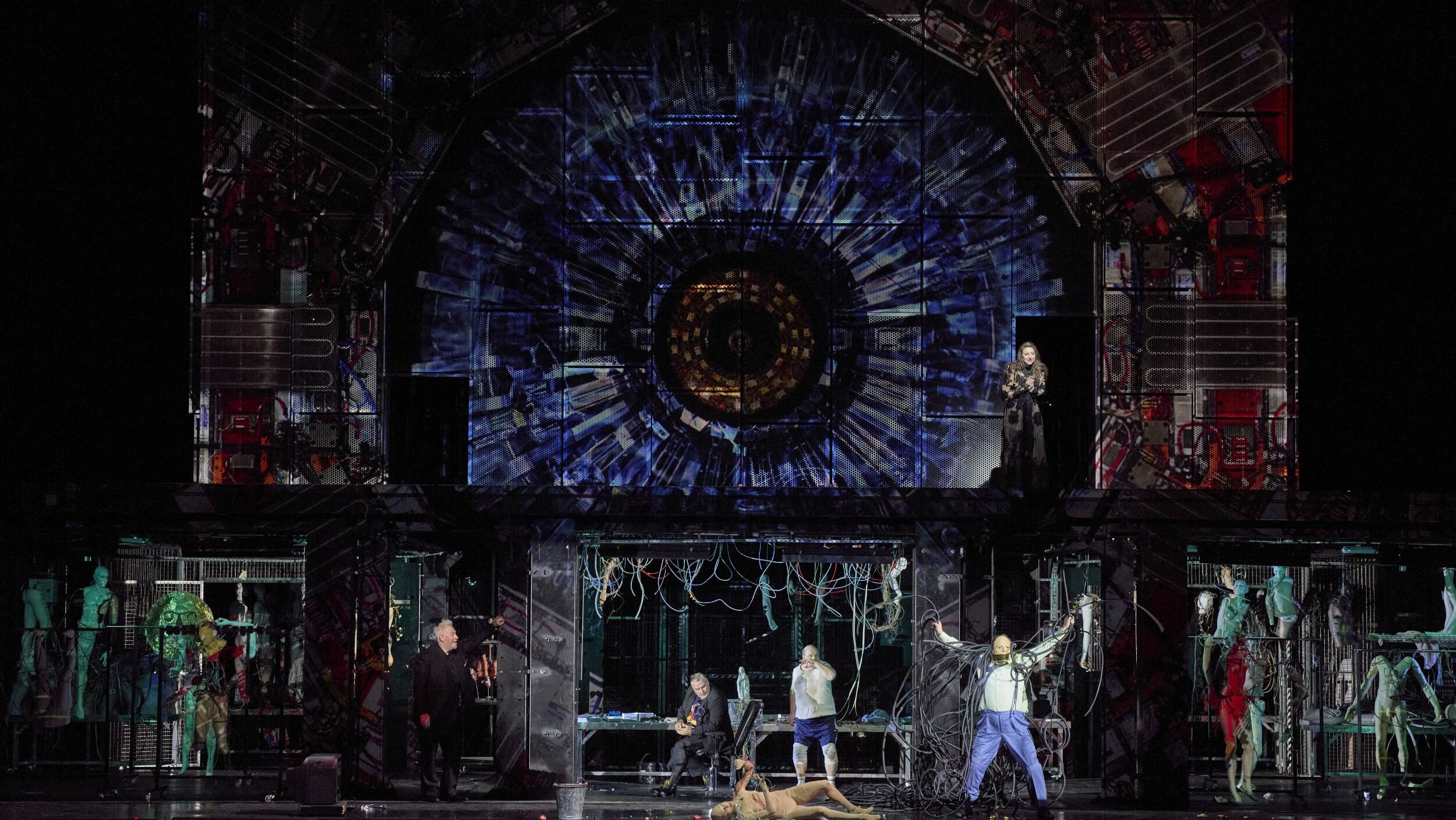
With Siegfried, the directorial vision of the Paris Opera‘s Ring cycle finally takes root.
Nigel Wilkinson takes on the first installment of the Paris Opera’s new Calixto Bieito-directed Ring Cycle
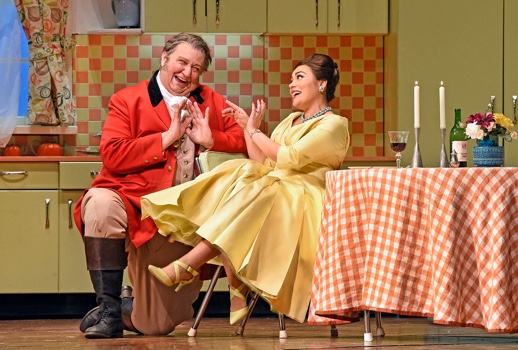
Verdi’s Falstaff is a brilliantly written opera: funny, with a complex ability to operate across minutely shifting registers of farce and lyricism. It needs, ideally, a production and cast capable of executing both comedy and drama, irony and sincerity—often concurrently. In its current Met revival, happily, Falstaff has everything it needs.
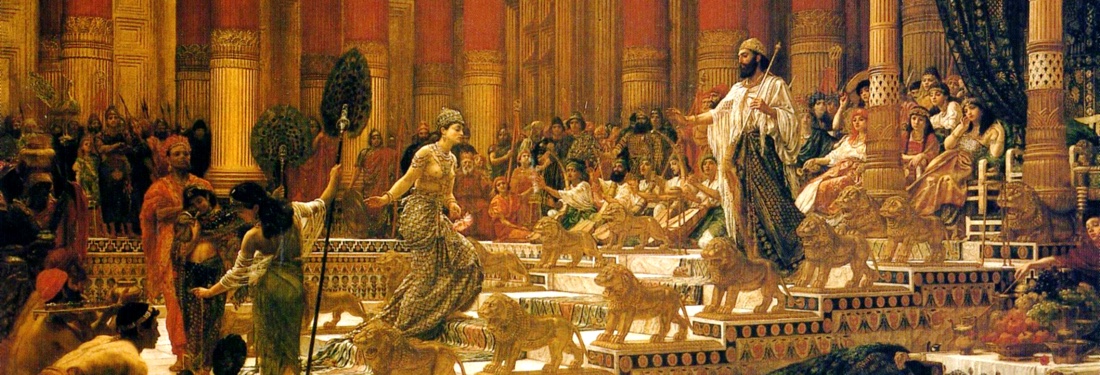
The English Concert’s annual Handel tour brings Solomon conducted by Harry Bicket to the US beginning Sunday March 5. In anticipation, Chris’s Cache offers Solomon plus four other oratorios by the master: Belshazzar, Hercules, Saul and Jephtha, all via broadcasts for which I feel a personal connection.
Handel’s biting Agrippina finally arrived at the Metropolitan Opera Thursday evening 310 years after its Venetian premiere.
Since 1985, from the Chicago Symphony at Carnegie Hall to the Welsh National Opera visiting BAM and from Chicago Lyric to New York City Opera to the Met, I’ve never encountered a bad Falstaff—or one that didn’t astound and delight me.
When a work is named for its lovers one might legitimately expect that pair to dominate its performance but in my experience that is never the case with Debussy’s Pelléas et Mélisande.
For decades thousands and thousands have attended Handel’s Messiah (usually around Christmas or more appropriately near Easter) making it easily one of the most widely known works of classical music.
Giulio Cesare at the Met proved an evening that added up to much more than the sum of its uneven parts.
Cecilia Bartoli and Joyce DiDonato are not the only ladies who have recorded recitals this year featuring music from the 17th and 18th centuries.
The chicken or the egg?
Many American opera-lovers take the “Grand Tour”—a pilgrimage to Europe to attend opera at its great houses—Peter Grimes at the Royal Opera in London or Otello at La Scala in Milan, or perhaps for the more well-heeled a visit to the summer festivals of Glyndebourne, Salzburg or Aix-en-Provence.
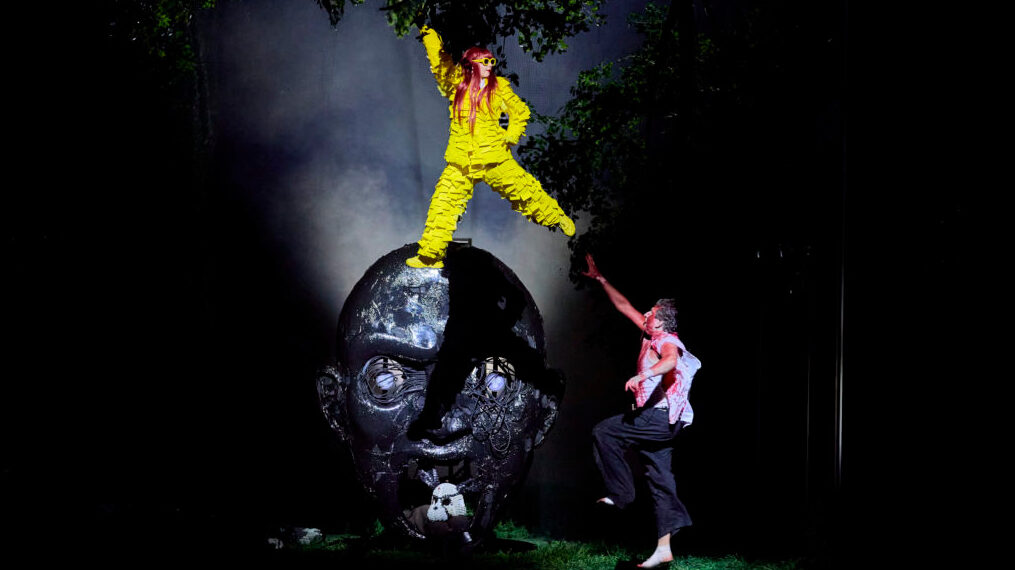
Joyce DiDonato enjoys the rare cachet of having three studio-recorded operas released in the past three years while other famous divas must be content with “just” DVDs. Although two of Renée Fleming’s Violettas have found their way onto video in less than five years (why??), “the people’s diva” has only recorded one studio opera in…
The three Brownies applying the final touches to a tapestry – the show curtain – depicting an idyllic landscape of Windsor before the music begins are the first indication that this productionof Falstaff does not take place in Elizabethan times.
Tell us: Filth or dementia?
Hasten thee to feed another quarter of conversation for The Talk of the Town!
Sign up for our free Newsletter.
Support Parterre Box
Donate to keep opera's liveliest publication free and independent. No paywalls, no institutional backing, no bootlicking.
Get our free newsletter
Opera's top reads delivered to your email weekly…ish.
Join over 100k readers.
The best opera magazine on the web.
Reviews, breaking news, critical essays, and brainrot commentary on opera from those demented enough to love it.
Essentials
Copyright © 2026 Parterre Box.
All rights reserved.
Registration or use of this site constitutes acceptance of our Terms & Conditions and our Privacy Policy.
Sign up for Parterre’s free newsletter.
Exclusive opera reviews, commentary, and top reads
delivered to your email weekly…ish.