

To love the language
With most of us dug in for the duration, there’s no better time to tuck into a CD box set of neglected treasures. Not that I needed an excuse, mind you.
17 pieces since 2014 — in 7 roles, at 5 companies, most often at Metropolitan Opera.
With most of us dug in for the duration, there’s no better time to tuck into a CD box set of neglected treasures. Not that I needed an excuse, mind you.
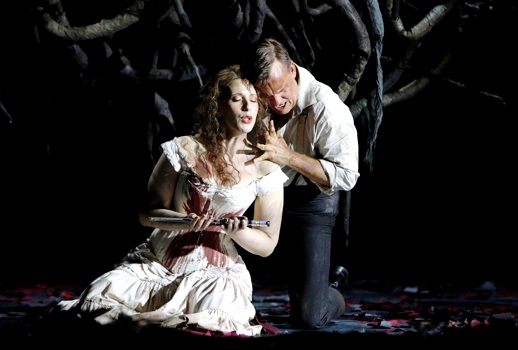
Despite the continued popularity of Der Freischütz in German-speaking countries, are the magical mature operas of Carl Maria von Weber otherwise really so problematic, their libretti so unwieldy to explain their continued absence from the world’s stages?

Trove Thursday offers a problematic yet fascinating work that would almost certainly not be staged today: Il Guarany by Carlos Gomes featuring João Gibin, Gianna d’Angelo, Piero Cappuccilli and Nicola Zaccaria.
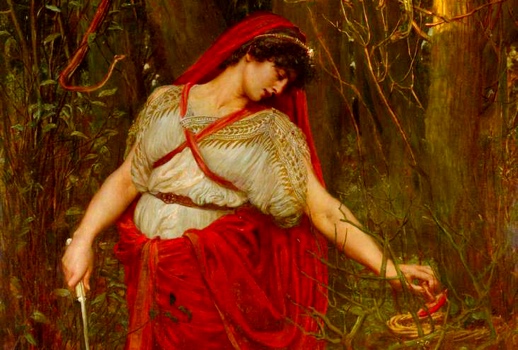
Trove Thursday offers a pair of live broadcasts of Médée featuring two compelling mid-20th century divas—Inge Borkh in German and Eileen Farrell in Italian.
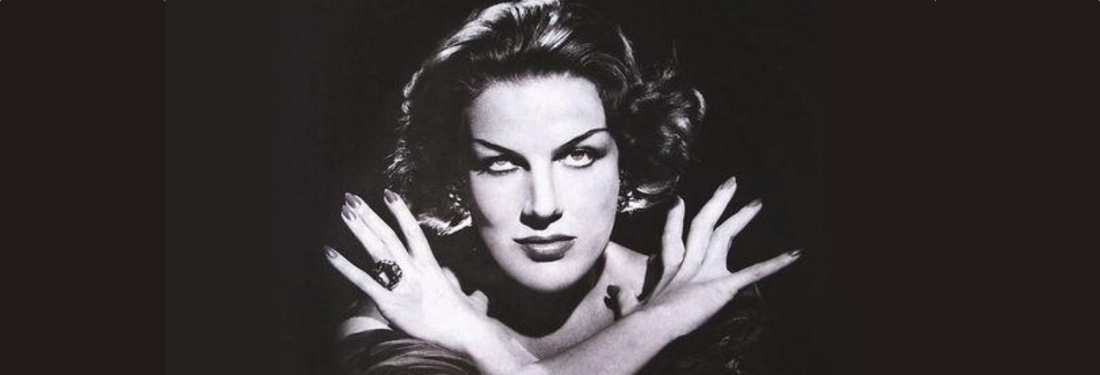
On this day in 1958 soprano Inge Borkh made her Metropolitan Opera debut as Salome (paired, of all things, with Gianni Schicchi)
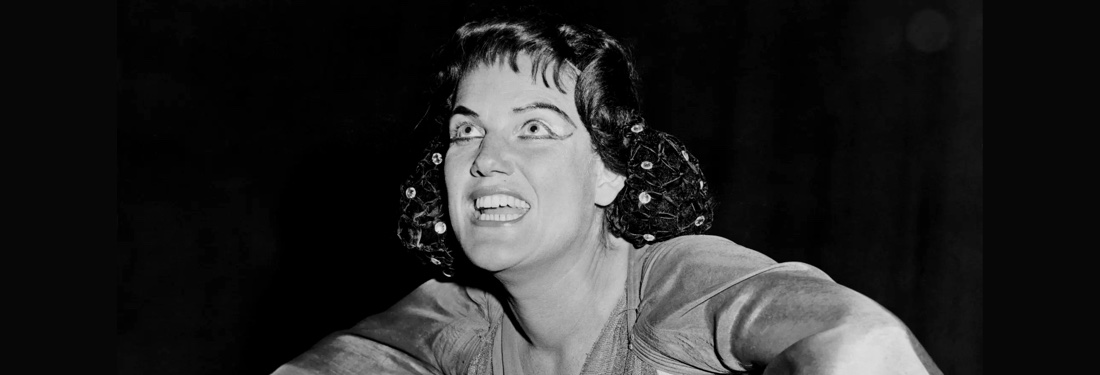
On this day in 1958 soprano Inge Borkh made her Metropolitan Opera debut as Salome.

Born on this day in 76 AD Roman Emperor Hadrian.
On this day in 1958 soprano Inge Borkh made her Metropolitan Opera debut as Salome.
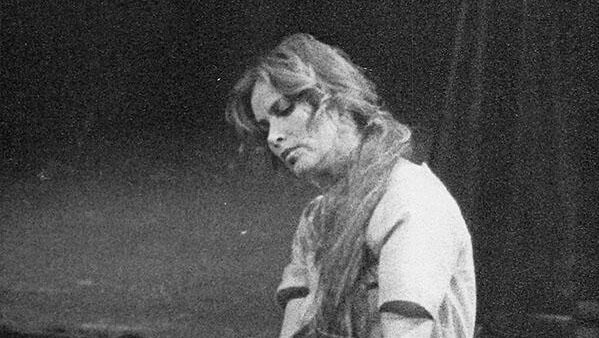
Júlia Várady‘s smoldering, almost feral Sieglinde from the Sawallisch/Lehnhoff Ring, remains my favorite.
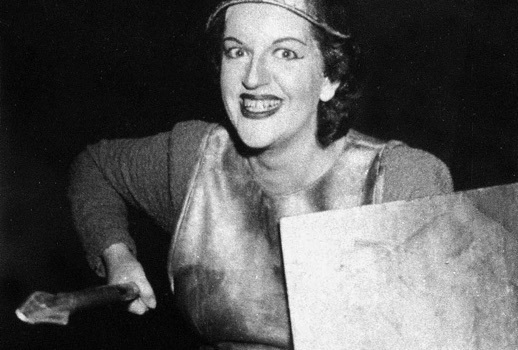
There has been a conspicuous absence of chat on Parterre about this year’s Bayreuther Festspiele.
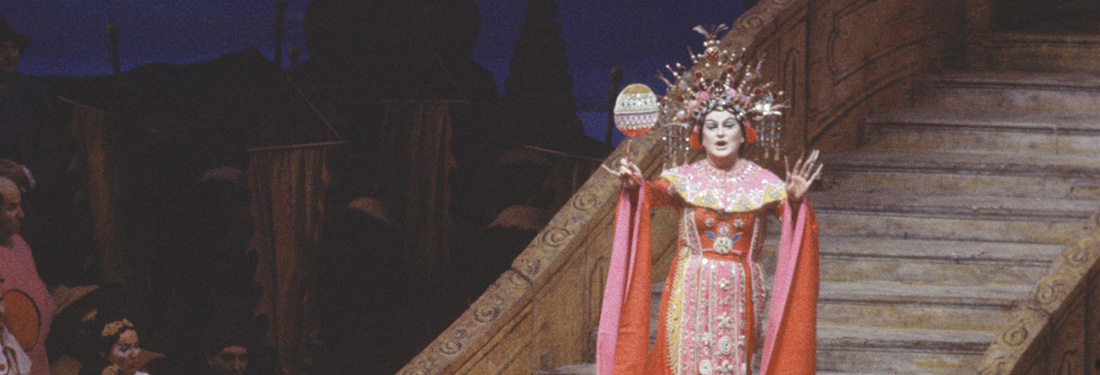
In the lead up to LA Opera’s mounting of Turandot on May 18th (hooray!) I thought I’d touch on some of my favorite recordings and new re-masters I’ve discovered. I have them all.

The days are getting shorter, but you can keep the prattle going this fall’s Talk of the Town! You will, you can, you must join in the discussion about: Great mezzo soprano performances (October),
Gained in translation (November), Teleport me back to… (December).
Exclusive opera reviews, commentary, and top reads
delivered to your email weekly…ish.