
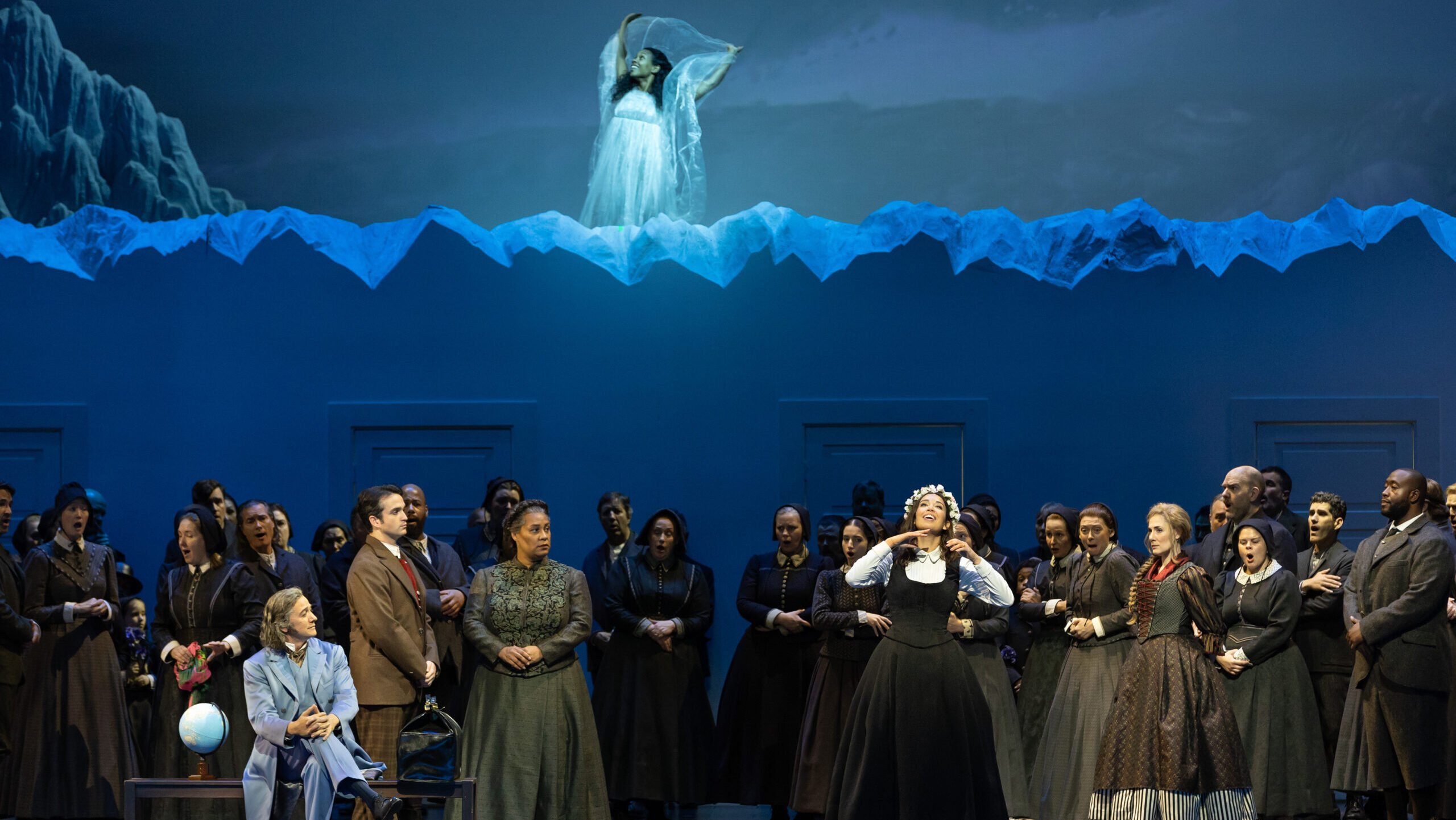
Ain’t no mountain high enough
A new production of La sonnambula at the Metropolitan Opera is musically charming if dramatically confounding.
16 pieces since 2009.
A new production of La sonnambula at the Metropolitan Opera is musically charming if dramatically confounding.

Buoyed by a cast of emerging stars, the Metropolitan Opera’s revival of Il Barbiere di Siviglia asserted a key trait of this ubiquitous buffo: it is a young person’s opera.
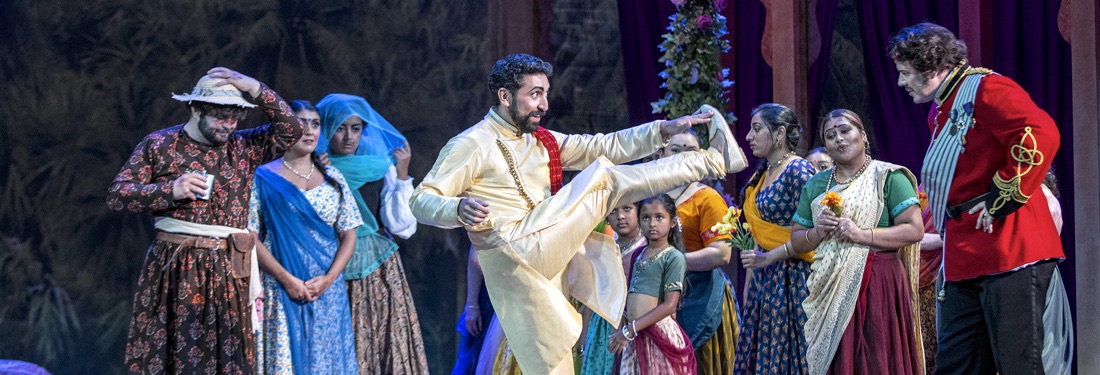
For the season opener, Opera San José decided to explore the class conflict central to Le nozze di Figaro by transporting the opera to India, specifically during the British Raj.
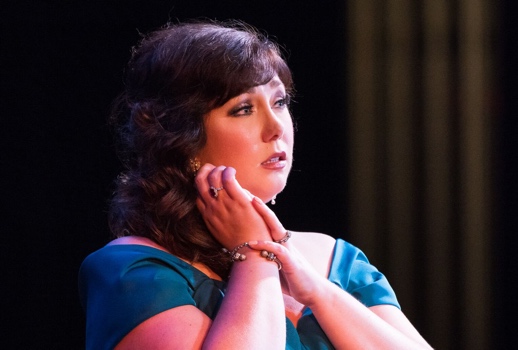
Simone Mayr’s Medea in Corinto, a curious work of 1813, has been revived by Will Crutchfield’s new enterprise, Teatro Nuovo.
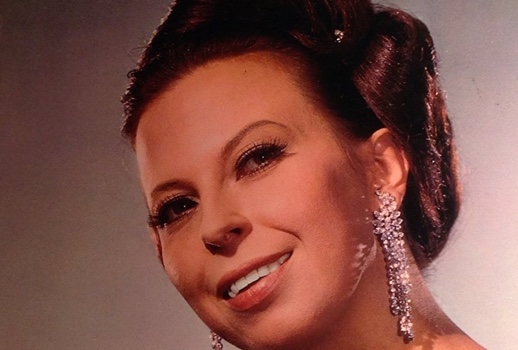
This week Trove Thursday endeavors to broaden his exposure with a bubbly performance of Il Marito Disperato starring Sylvia Geszty.
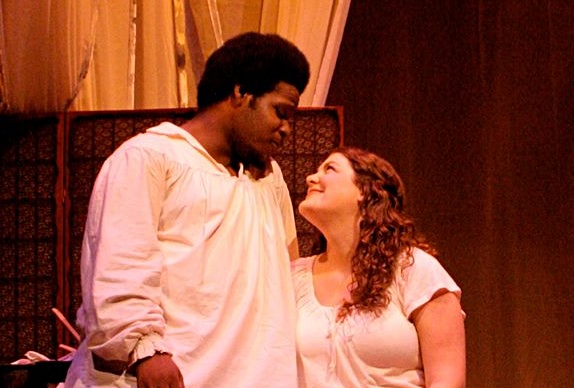
Homer, inspired by many a muse, sang not of sequels to his Iliad.

It’s fun to wonder what might have happened if Rossini had never composed Il Barbiere di Siviglia. Would Giovanni Paisiello’s earlier adaptation of the work be a repertory favorite? Or would it have faded into obscurity with an occasional revival here and there?

Poor Paisiello. Out of the nearly 100 operas written by this industrious composer just one was generally regarded as a masterpiece.
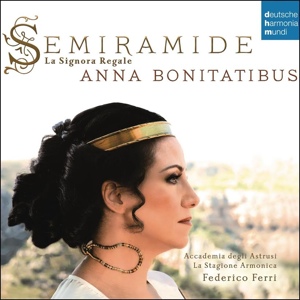
The last day of December a parcel arrived in the mail containing an absolute delight: “Semiramide—La Signora Regale.” One of best vocal recordings of 2014, this sumptuous 2-CD set on Deutsche Harmonia Mundi features the marvelous Italian mezzo-soprano Anna Bonitatibus and includes 90 minutes of rarely-heard music written for the legendary Babylonian queen.
Giovanni Battista Pergolesi’s only opera for Rome was written to an existing libretto by the great Pietro Metastasio, L’Olimpiade, which had already been set by Vivaldi the year previously.

Apparently, we learn very little in life; the follies we pursue with haste in youth are answered by the follies we commit in age with great deliberation.

By the time Rossini was 20, he had produced six operas, most of them brief, comic and slight. He admitted to admiring Mozart (not then well known south of the Alps), but the melodies of his early works show more of the influence of Paisiello.
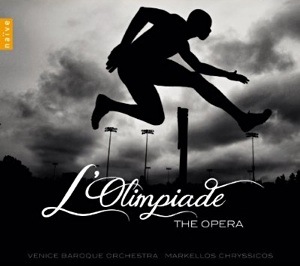
Of all the Olympics-related products created to honor the upcoming summer games in London, surely one of the oddest must be a brand new pasticcio just released on a two-CD set by Naïve—L’Olimpiade.
When Mojca Erdmann’s new debut CD for Deutsche Grammophon was reviewed in the September issue of Opera News, the disc’s cover art showed the lissome German soprano in a thin, revealing white dress, lying on a bed of roses. The album was then called Mostly Mozart. When that review questioned the titling, DG must have […]
The day after opening the 2009-10 season with Hugo Weisgall’s Esther, New York City opera presented one of the most beloved operas in the entire repertoire, Mozart’s Don Giovanni, in a new production by Christopher Alden.
It is always a relief when one comes across a wonderful creation, a new existence, a rediscovery. One feels regret for not knowing it before, but alas, the joy overflows. The fear of unknown, the fear of leaving the comfort zone always ends up with enlightenment and embracing the new known. In this case, is […]

The days are getting shorter, but you can keep the prattle going this fall’s Talk of the Town! You will, you can, you must join in the discussion about: Great mezzo soprano performances (October),
Gained in translation (November), Teleport me back to… (December).
Exclusive opera reviews, commentary, and top reads
delivered to your email weekly…ish.