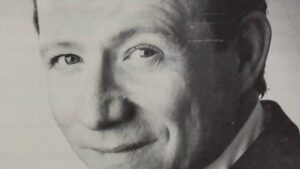
Christopher Corwin

Christopher Corwin began writing for parterre box in 2011 under the pen name “DeCaffarrelli.” His work has also appeared in , The New York Times, Musical America, The Observer, San Francisco Classical Voice and BAMNotes. Like many, he came to opera via the Saturday Met Opera broadcasts which he began listening to at age 11. His particular enthusiasm is 17th and 18th century opera. Since 2015 he has curated the weekly podcast Trove Thursday on parterre box presenting live recordings.

For decades thousands and thousands have attended Handel’s Messiah (usually around Christmas or more appropriately near Easter) making it easily one of the most widely known works of classical music.
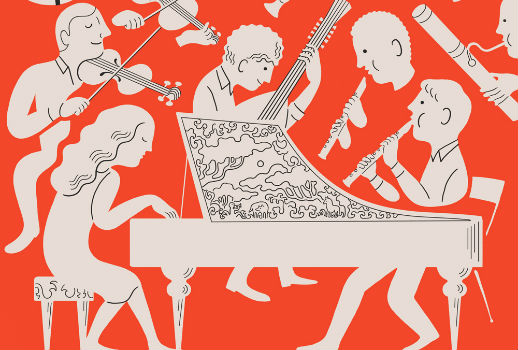
Probably no more than 100 gathered Tuesday in a curtained-off space in the lobby of NYC’s Gershwin Hotel to witness the North American premiere of Rodrigo by operamission.
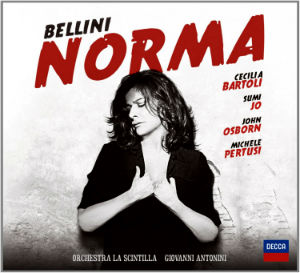
For better or worse, Decca’s new Norma recording will ultimately be embraced—or dismissed—by those reacting directly to Cecilia Bartoli’s controversial portrayal.
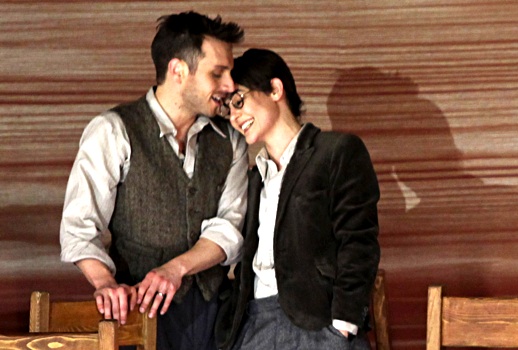
You have only until Sunday to catch the most heart-breaking moments seen on New York City operatic stages this season.
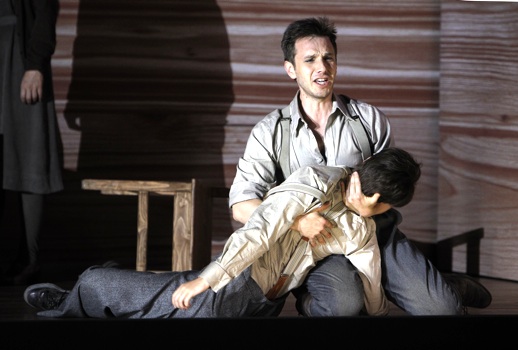
Since its life-changing Atys first arrived in 1989 at the Brooklyn Academy of Music (where the Lully returned one last time in 2011), Les Arts Florissants has presented works there which have challenged many perceptions about 17th and 18th century opera.

Giulio Cesare at the Met proved an evening that added up to much more than the sum of its uneven parts.
“I’ve lived with mendacity!—Why can’t you live with it? Hell, you got to live with it, there’s nothing else to live with except mendacity, is there?”
Gotham Chamber Opera stumbled so badly Friday night with Francesco Cavalli’s 1668 Eliogabalo at The Box, it was hard to know whether to feel sad or angry—or both.

Although married five times including to the heretofore off-limits Vestal Virgin, he patronized hundreds of prostitutes while also showering political favors on his male lovers.
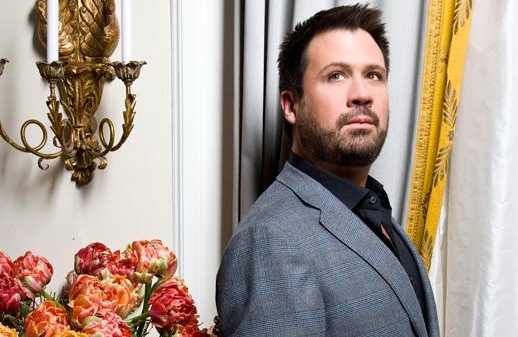
Nearly 30 years after a Handel opera last played there, Carnegie Hall presented The English Concert opening a three-year opera-oratorio project on Sunday afternoon with Radamisto.

That’s what it must have been like in 1726 London when Handel composed Alessandro for perhaps the three most famous (and expensive) singers of the day.
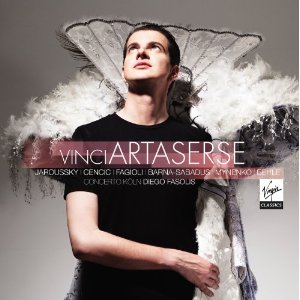
Not only cursed to bear a name nearly identical to that of one of the greatest geniuses who ever lived, Leonardo Vinci also had the misfortune to die just three months after the premiere of his greatest opera, reportedly murdered with a cup of poisoned chocolate at the age of 36.
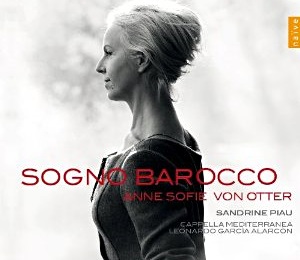
As if last week’s survey wasn’t enough, a few more recent diva-recital disks remain worthy of attention particularly since they arrive from five front-rank singers.
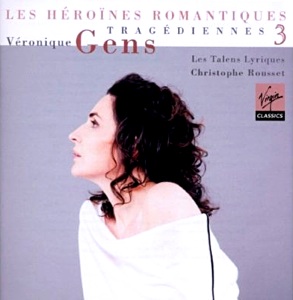
Cecilia Bartoli and Joyce DiDonato are not the only ladies who have recorded recitals this year featuring music from the 17th and 18th centuries.
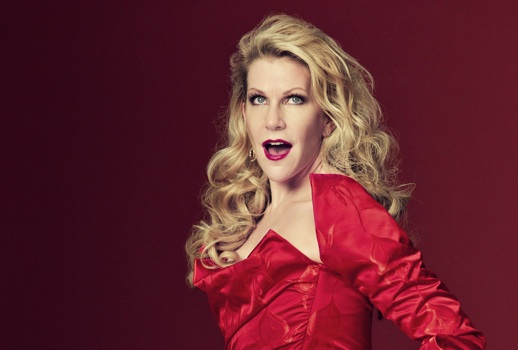
If you’re the sort who prefers his diva to be an unapproachable sphinx prone to infuriating cancellations while radiating ennui, I suspect that the sunny, hard-working, grateful persona of American mezzo soprano Joyce DiDonato will not appeal to you at all.

Can it be nearly a quarter-century ago that an Italian mezzo-soprano in her early twenties recorded her first recital?
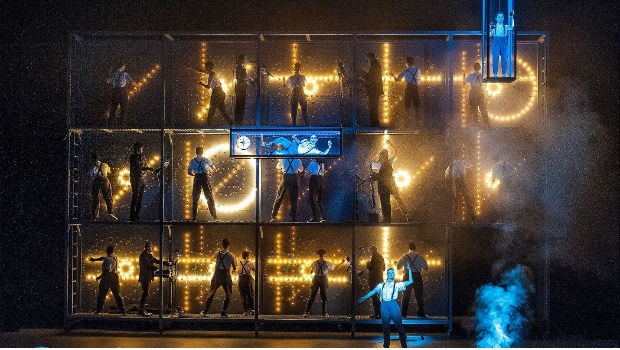
“Is a work an opera simply because its creators choose to call it one?”
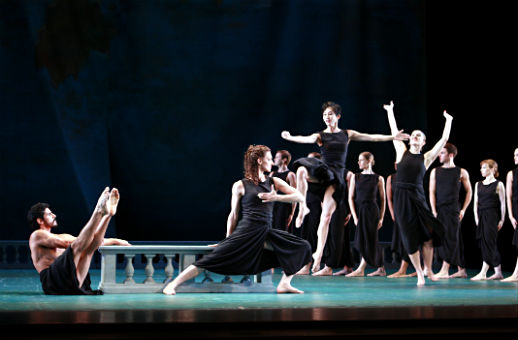
After 23 years, the Queen of Carthage has finally made it to Manhattan.
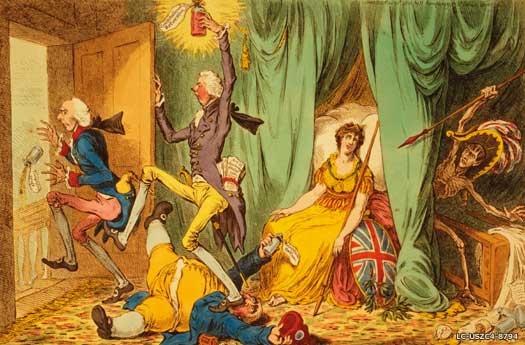
Rule Britannia? Often during the Olympics that famous number from Thomas Arne’s 1740 Alfred echoed in my ears.

The chicken or the egg?
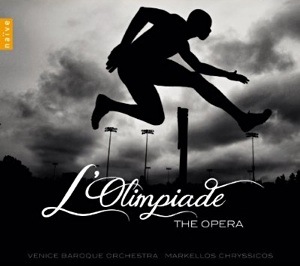
Of all the Olympics-related products created to honor the upcoming summer games in London, surely one of the oddest must be a brand new pasticcio just released on a two-CD set by Naïve—L’Olimpiade.

Sneaking in under the wire during the final week of May were two highpoints of New York’s opera season: the Cleveland Orchestra’s Salome with a stunning Nina Stemme and operamission’s revelatory US stage premiere of a complete edition of Handel’s first opera Almira.
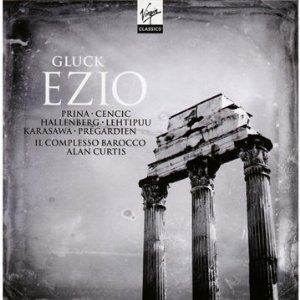
For all his historical importance Christoph Willibald Gluck remains one of the least known and performed of the great opera composers.

It’s hard to think of a rare work by a great composer more tailor-made for a twenty-first century reexamination than Mozart’s Il Sogno di Scipione.
Tell us: What’s your favorite Verdi performance?
Hasten thee to feed another quarter of conversation for The Talk of the Town!