Christopher Corwin

Christopher Corwin began writing for parterre box in 2011 under the pen name “DeCaffarrelli.” His work has also appeared in , The New York Times, Musical America, The Observer, San Francisco Classical Voice and BAMNotes. Like many, he came to opera via the Saturday Met Opera broadcasts which he began listening to at age 11. His particular enthusiasm is 17th and 18th century opera. Since 2015 he has curated the weekly podcast Trove Thursday on parterre box presenting live recordings.

Notable purveyor of mayhem and infanticide Medea has lately been missing from the local operatic scene, but Sunday afternoon sections of the recently renovated Alice Tully Hall were singed by Canadian soprano Dominique Labelle’s blazing incarnation of the Greek sorceress.

In recent years the enterprising Dell’Arte Opera Ensemble has brightened the usually arid weeks of August in New York City with some worthy operatic showcases for young singers.
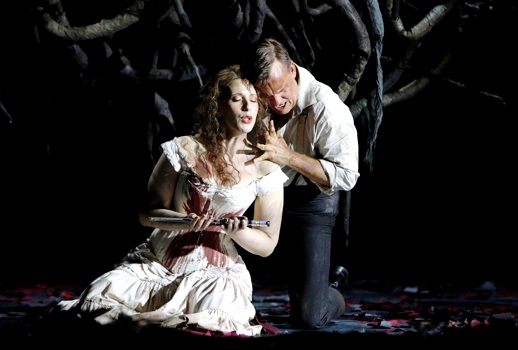
Despite the continued popularity of Der Freischütz in German-speaking countries, are the magical mature operas of Carl Maria von Weber otherwise really so problematic, their libretti so unwieldy to explain their continued absence from the world’s stages?
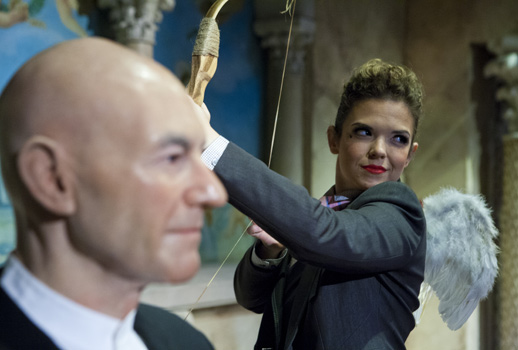
I avoided visiting any waxworks establishment until On Site Opera’s lively production of Rameau’s one-act Pygmalion summoned me Tuesday evening to Madame Tussauds just off New York City’s Times Square.

Even before Italian diva Mariella Devia had completed the stunning high D natural that capped her miraculous portrayal of Elisabetta in Donizetti’s Roberto Devereux Thursday evening at Carnegie Hall, tens, then hundreds of those in attendance leapt to their feet to shout their acclaim.
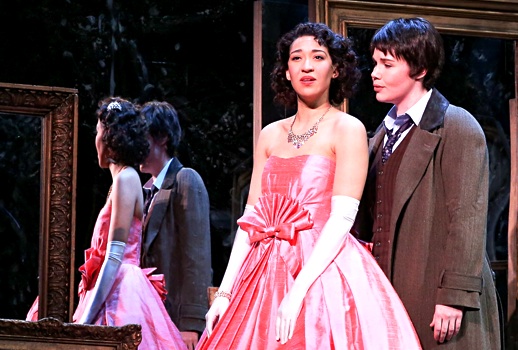
Joyce, Javier and now Julia—this week these three remarkable Js brought New York City memorable “Cinderella stories.”

The Met stage was filled with considerable magic Monday night when its dizzily effervescent revival of La Cenerentola starring Joyce DiDonato and Javier Camarena stirred a bewitched audience to some of the most ecstatic ovations heard this season.
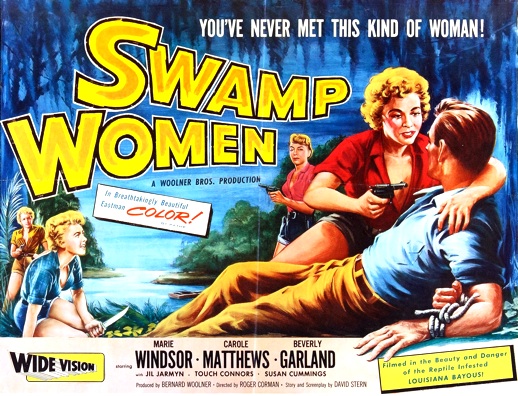
What must have raced through the mind of the none-too-comely Spanish Infanta when she learned that the opera to be performed during the celebrations for her 1745 wedding to the French Dauphin revolved around the comeuppance of an ugly yet vain water nymph tricked into believing Jupiter was her ardent suitor?
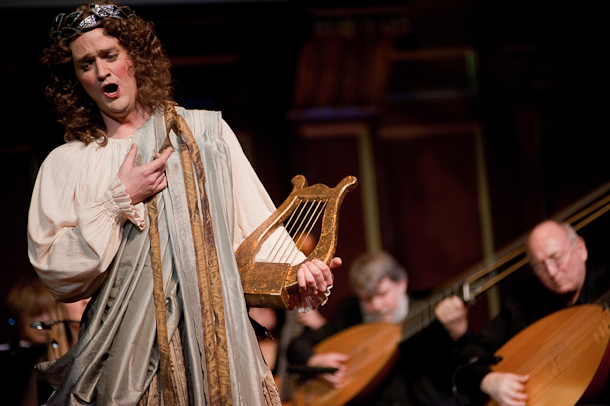
For one week every two years since 1981 the eyes—and ears—of those interested in period performance turn to the Boston Early Music Festival, particularly to its opera centerpiece, but that organization doesn’t rest on its laurels in between festivals.

We must be doubly grateful that The English Concert’s recent Theodora was so quickly followed by the American Classical Orchestra’s fine Samson on Tuesday evening at Alice Tully Hall.
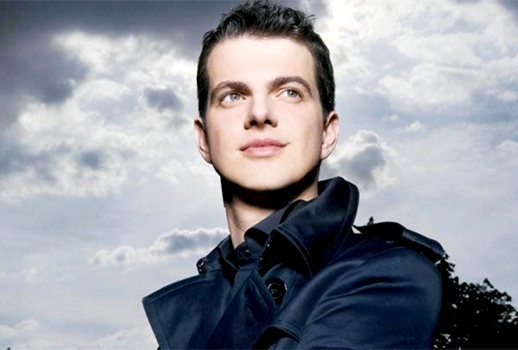
My impossible wish would be to hear one of the great castrati who dominated opera for most of the 18th century.

Joined by the Choir of Trinity Wall Street, The English Concert concluded the US leg of its current tour at Carnegie Hall Sunday with a complete performance of the darkly moving Theodora, Handel’s penultimate oratorio.

While many performing arts organizations have been reducing their schedules or even closing, Opera Lafayette, a Washington DC-based group dedicated primarily to 17th and 18th century opera, has proven remarkably prosperous.

The internecine machinations of those who ruled—or sought to rule—the Roman Empire have long provided rich material for writers and composers, and on Thursday evening operamission continued its ambitious plan to stage in chronological order all of Handel’s operas by presenting one of the most delicious of those Roman-based works, Agrippina which premiered in Venice in 1709.

Lincoln Center hosted two milestones this week.
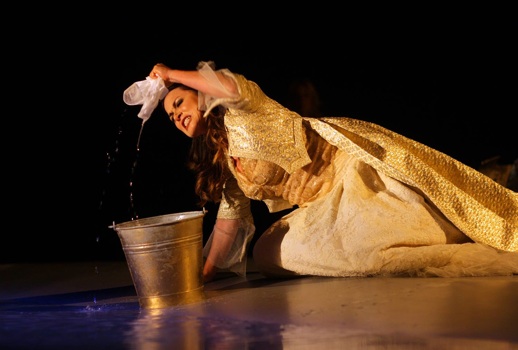
I suspect most New York City opera-lovers had long since given up hope that the fascinating soprano Anna Caterina Antonacci would ever return to their city.
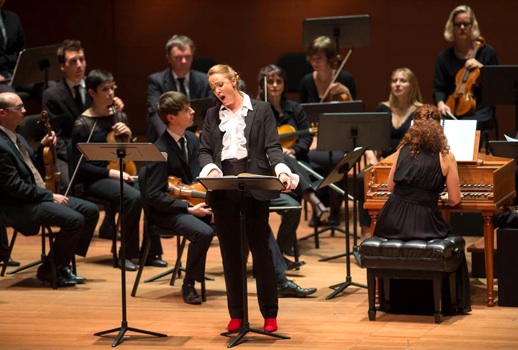
I can think of no other case that resembles Handel’s complex relationship to the story—derived from Ovid’s Metamorphoses—of the ill-fated love between the shepherd Acis and the sea nymph Galatea.

While James Levine’s name might not immediately spring to mind when pondering the great Mozart conductors, he does have a long and distinguished career leading operas by the Austrian master.

Seventeenth century opera remains the true connoisseur’s delight partly because it’s so rarely done.
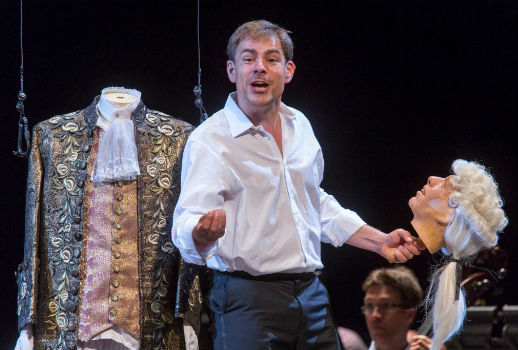
After the success of its Don Giovanni in 2011, Lincoln Center invited Iván Fischer and his Budapest Festival Orchestra to return for the Mostly Mozart Festival premiere (!) of the first of Mozart-da Ponte’s three masterpieces Le Nozze di Figaro late Sunday afternoon at the Rose Theater.
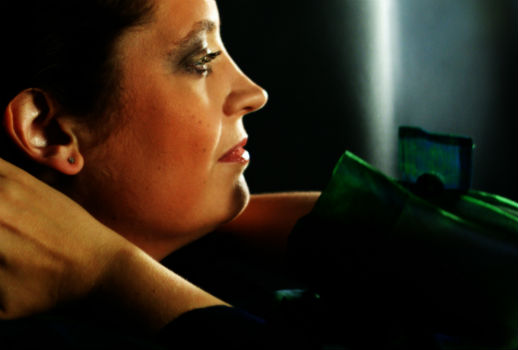
The behavioral phenomenon of limerence has been described as “an involuntary potentially inspiring state of adoration and attachment to a limerent object involving intrusive and obsessive thoughts, feelings and behaviors from euphoria to despair, contingent on perceived emotional reciprocation.”

Giuseppe and I have always had a complicated relationship.
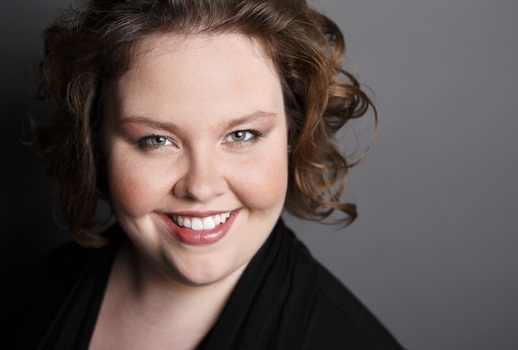
American mezzo Jamie Barton, who has steadily been winning fans in the US over the past few years for her rich and nuanced singing, took the international opera world by storm last weekend by winning both the Song Prize as well as the overall prize in the BBC Cardiff Singer of the World competition.
“Let’s go up to Westchester!”
Tell us: What’s your favorite Verdi performance?
Hasten thee to feed another quarter of conversation for The Talk of the Town!