
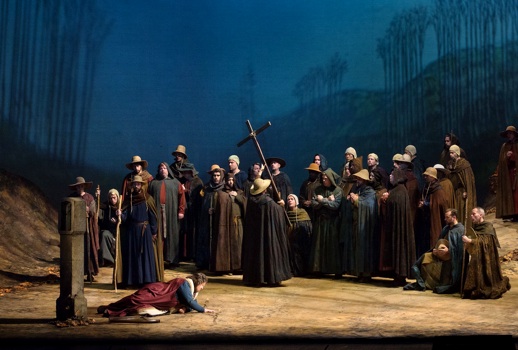
Starry starry night
Although the season is less than three weeks old, Metropolitan Opera audiences may hear nothing else this season as beautiful as Peter Mattei’s “Song to the Evening Star.”

Christopher Corwin began writing for parterre box in 2011 under the pen name “DeCaffarrelli.” His work has also appeared in , The New York Times, Musical America, The Observer, San Francisco Classical Voice and BAMNotes. Like many, he came to opera via the Saturday Met Opera broadcasts which he began listening to at age 11. His particular enthusiasm is 17th and 18th century opera. Since 2015 he has curated the weekly podcast Trove Thursday on parterre box presenting live recordings.
Although the season is less than three weeks old, Metropolitan Opera audiences may hear nothing else this season as beautiful as Peter Mattei’s “Song to the Evening Star.”
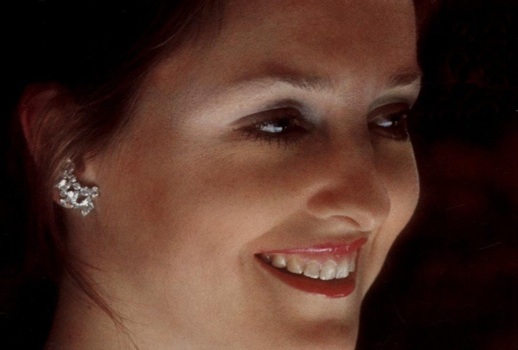
Three decades before Joyce DiDonato and Juan Diego Flórez dazzled the world with their La donna del lago roadshow, another deluxe team headed by Frederica von Stade and Marilyn Horne shone in Rossini’s neglected masterpiece.
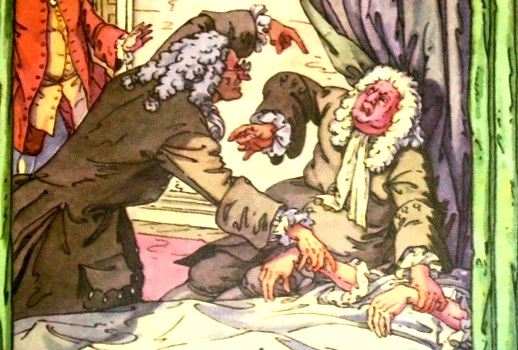
Although it falls into the 18th century opera-comique tradition, Tom Jones is actually a comédie mêlée d’ariettes, a comedy mixed with brief arias.

The Metropolitan Opera’s much vaunted so-called “Tudor Ring” of three royal operas by Donizetti got off to a bumpy start Saturday afternoon with a revival of Anna Bolena that stubbornly refused to cohere either musically or dramatically.

A clearly moved Hvorostovsky basked in the moment and momentarily broke character to acknowledge the love.
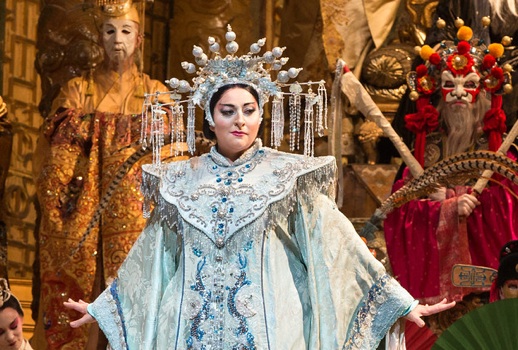
Would exciting American dramatic soprano Christine Goerke be the next great ice-princess we have been waiting for?
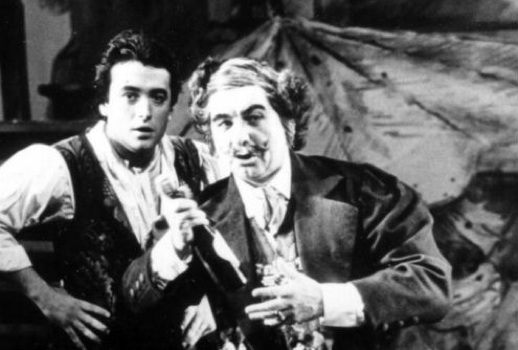
It took me years to appreciate the serious Donizetti, but I’ve always loved the composer’s comic operas, particularly Don Pasquale and Elisir.

While the celebrity-studded, expensively-dressed audience gathered for the gala opening of the Metropolitan Opera’s 2015-2016 season seemed genuinely enthralled by Monday evening’s performance of Otello, it was more likely swept away by the power of Verdi’s genius than by Bartlett Sher’s puzzling, inert new production.
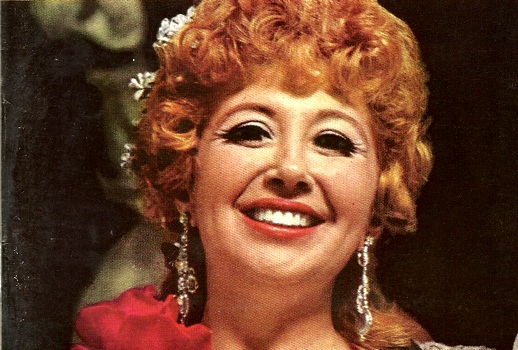
Sills at the peak of her powers and Handel’s 1743 secular oratorio make a perfect match.
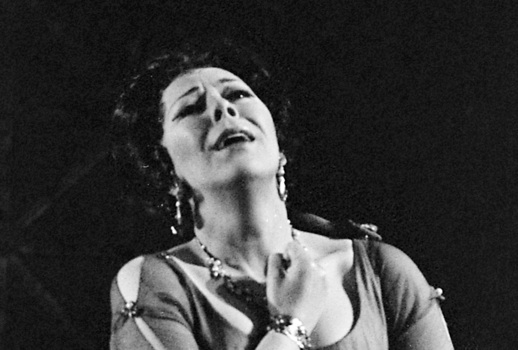
I’m beginning this new series of “pirate-casts” with a great opera: Berlioz’s Les Troyens featuring the luminous pairing of Janet Baker and Jon Vickers as Didon and Énée.
In just two years, Brooklyn’s LoftOpera has rapidly established itself as a bracing, essential addition to New York City’s musical life.

Few new operas have received the near-unanimous acclaim that has greeted Written on Skin since its first performance at the 2012 Aix-en-Provence Festival.
When LaCieca asked me to choose my favorite live recording, I had to think… and think.
The CD explosion coincided with an enormous increase in interest in HIP (historically informed performance) so now there were lots of commercial recordings of the sort of operas I had turned to pirates to find.
Many live treasures (and some duds) began to take up more and more space—first in my dorm room, then in my first little studio apartment thanks to a group of quite special men, none of whom I ever met face to face.
It never occurred to me that each tape had to be individually dubbed or that others, maybe many, many others, might also be ordering tapes at the same time.
Back when I was a good boy, I told my parents that my goal in getting my first job was to earn money for college; however, my real motive was to make my secret wish come true—to be able to consort with “pirates.”

Saturday evening conductor Will Crutchfield revived Donizetti’s La Favorite—unheard in New York for fifteen years.

Poor Paisiello. Out of the nearly 100 operas written by this industrious composer just one was generally regarded as a masterpiece.
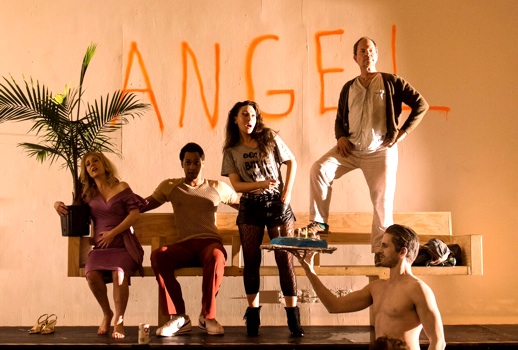
Director R.B. Schlather and his team explored Handel’s Orlando and the results, as seen at Monday night’s final presentation, proved uncommonly stimulating.
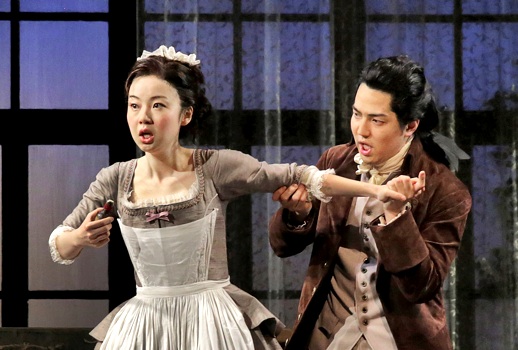
All those who have been in a rage since the news broke this week that the Metropolitan Opera has invited Calixto Bieito to stage Verdi’s La Forza del Destino can relax and embrace the Juilliard Opera’s new Le Nozze di Figaro which opened Friday night.
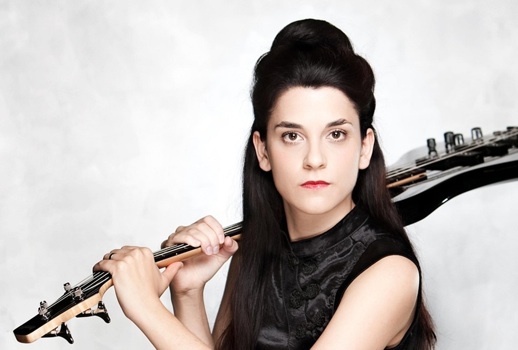
Many large opera companies these days host valuable young artist programs dedicated to helping singers negotiate the difficult transition between leaving the conservatory and becoming full-time performing artists.
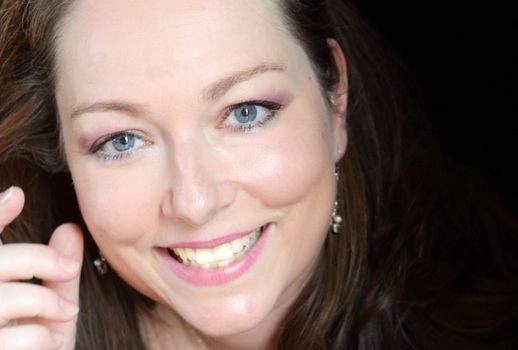
Although she began her career nearly 25 years ago recording and performing lots of baroque music, I was surprised to see German soprano Dorothea Röschmann promoted as the star attraction of an all-Purcell concert Sunday at Carnegie Hall.

Who needs sets and costumes anyway?

The days are getting shorter, but you can keep the prattle going this fall’s Talk of the Town! You will, you can, you must join in the discussion about: Great mezzo soprano performances (October),
Gained in translation (November), Teleport me back to… (December).
Exclusive opera reviews, commentary, and top reads
delivered to your email weekly…ish.