
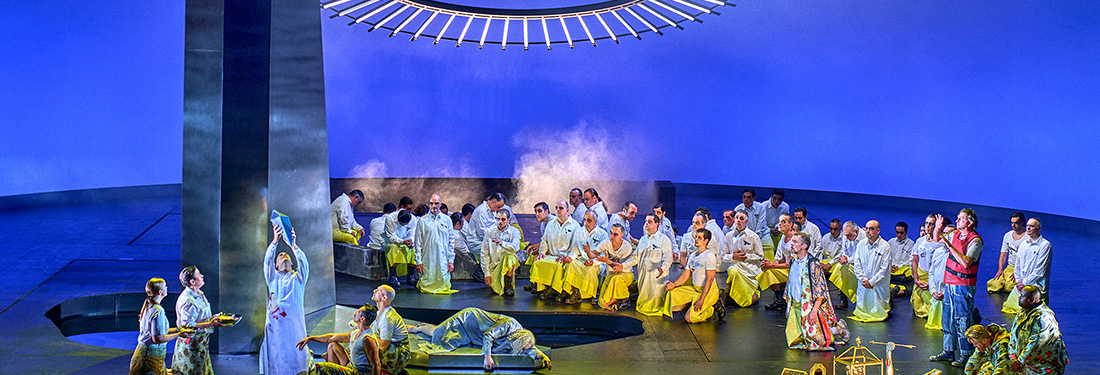
Assault and battery
Jay Scheib’s Augmented-Reality Parsifal is a cautionary reminder that technological innovation shouldn’t absolve directors from the exacting work of deriving intelligent and fascinating theater from the source material.
148 pieces since 1999 — at 6 companies, most often at Metropolitan Opera.
Jay Scheib’s Augmented-Reality Parsifal is a cautionary reminder that technological innovation shouldn’t absolve directors from the exacting work of deriving intelligent and fascinating theater from the source material.
The German filmmaker and theater and opera director died earlier today. Among his works was a controversial production of Parsifal at the Bayreuth Festival beginning in 2004. [AP]
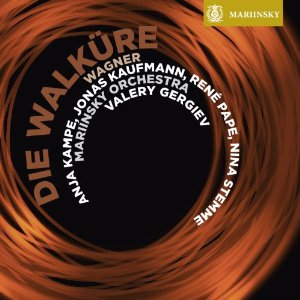
Wagner is becoming an important calling card for Valery Gergiev and the Mariinsky Theatre.
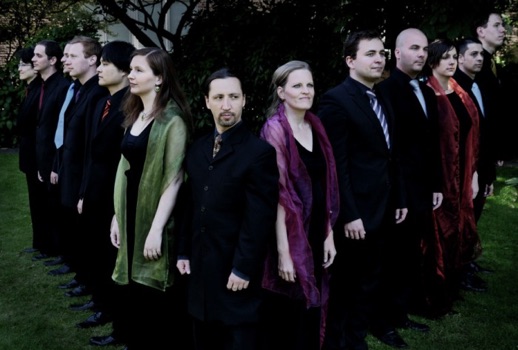
On Saturday Juilliard 415 welcomed the sterling 10-member Belgian group Vox Luminis for a striking program of “Handel in Rome.”
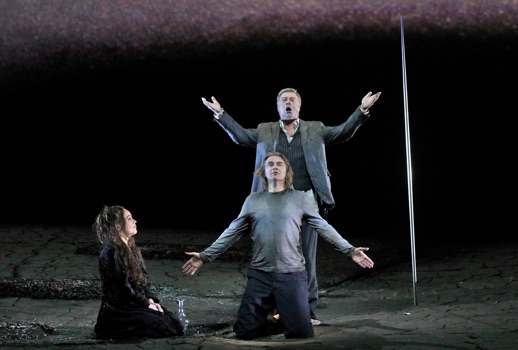
The Met’s magnificent revival which opened on Monday night with a superb cast under the mesmerizing leadership of Yannick Nézet-Séguin nearly converted me into a devoted Parsifal disciple.
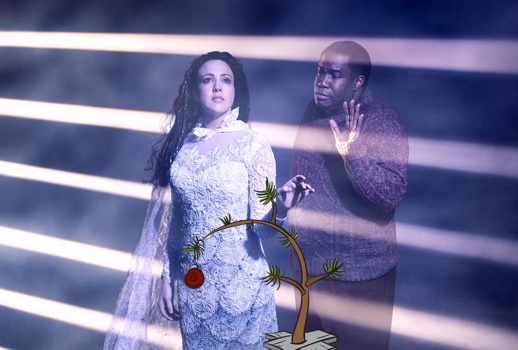
With Christmas Eve 2016 falling on a Saturday, the Met offers contrasting orchestral splendors at noon and 6 p.m.
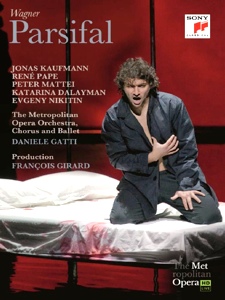
One of the things that made François Girard’s 2013 production of Parsifal at the Met so compelling was the way he tried to make the tale of suffering and temptation relevant to a contemporary audience.
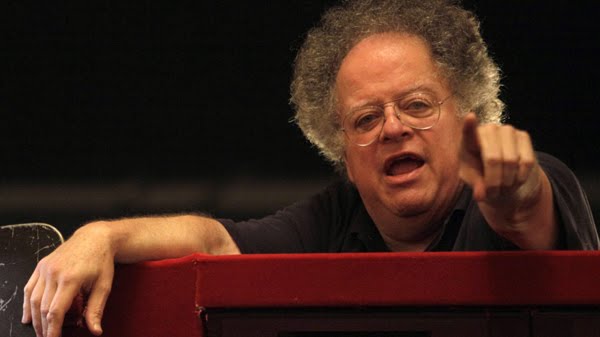
Based on reliable reports about reshuffling of the Met’s repertoire for the 2013-14 season, the only reasonable conclusion is that James Levine will never return to conduct with the company.
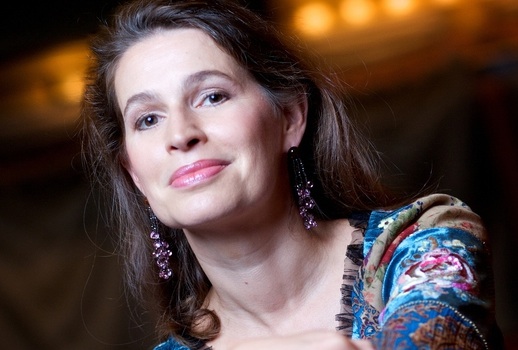
And though I have the gift of prophecy, and understand all mysteries, and all knowledge; and though I have all faith… I am nothing.”
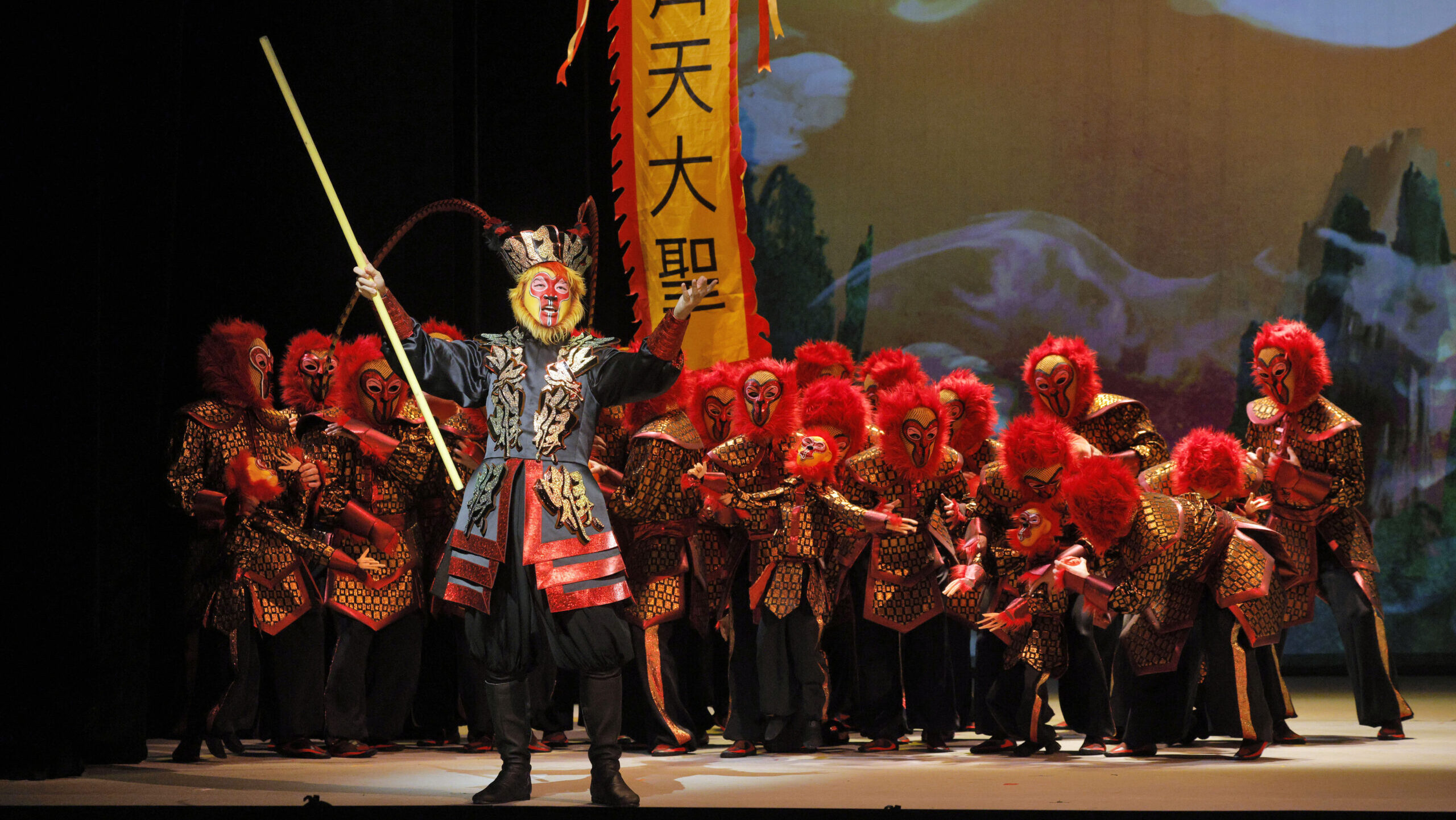
The Monkey King at San Francisco Opera combines spectacle and sentiment.
The world has come to an end and we are at the end of the world, the collapsed ruins of a bridge that can no longer be crossed. There is no greenery; the few trees that are left are dead and being chopped down for fuel. Shell-shocked survivors wander through this hellscape, fighting over the […]

The days are getting shorter, but you can keep the prattle going this fall’s Talk of the Town! You will, you can, you must join in the discussion about: Great mezzo soprano performances (October),
Gained in translation (November), Teleport me back to… (December).
Exclusive opera reviews, commentary, and top reads
delivered to your email weekly…ish.