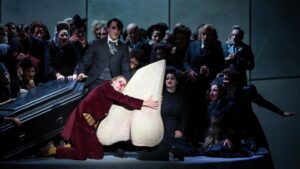
Rupert Christiansen (not pictured) writes, “…a right old mash-up of Meistersinger, confusing, contorting and complicating something which should communicate with radiant emotional and intellectual simplicity.”
“She ducked the high E-flat!”

“Sing on your vocal interest, not your vocal principal!”
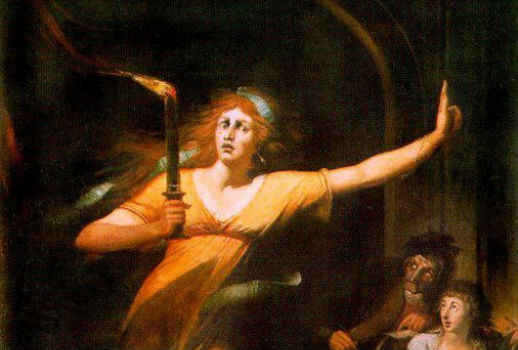
The part of Lady Macbeth is different from any other role Verdi wrote because the composer insisted that the interpreter must have a harsh, ugly voice.
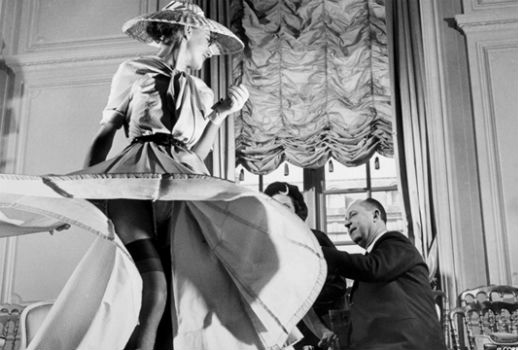
When people talk about an opera “production,” they tend to mean “the sets and costumes,” that is, the physical production.
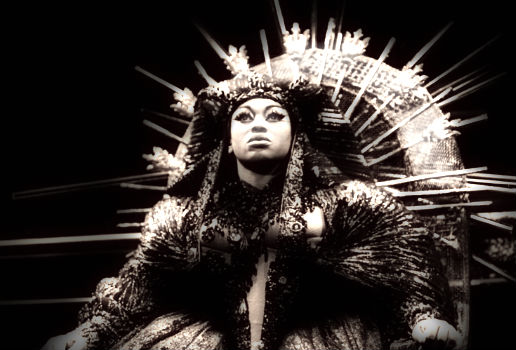
There are so many neglected operas like Antony and Cleopatra or Les Huguenots that have been treated so unfairly…
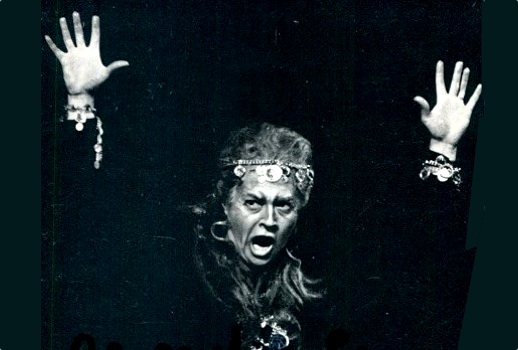
“Say! What about throwing your very own baby in the fire by accident? There’s one for you. Doesn’t get much more implausible than that!”
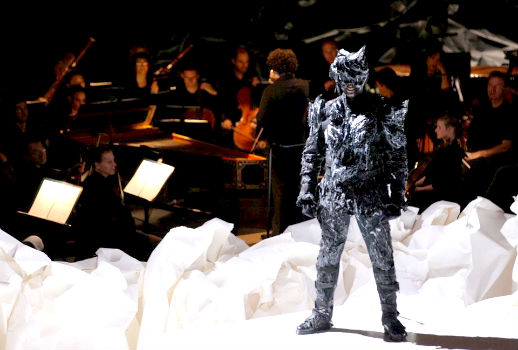
Our weekly canard concerns that greatest of all operas, Don Giovanni—or is it?
For our weekly meander through mendacity, we turn to no less than Gotham Chamber Opera’s own Neal Goren, who writes, “People repeat as fact that women ruin their voices, or at least sacrifice their high notes, by singing in chest voice. So untrue!”
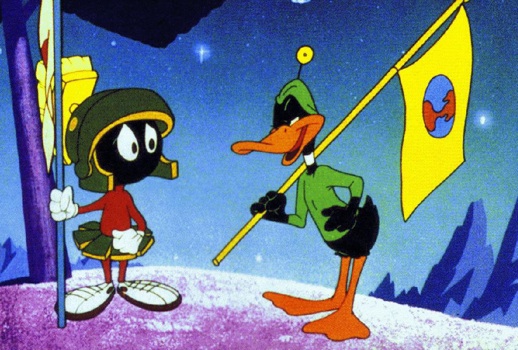
La Cieca has her old, old, old friend Enzo Bordello (pictured, left) to thank for this week’s canard, or rather, carnards, as Enzo has delivered a delicious brace of blunders.
La Cieca would like to introduce a new feature debunking a popular misconception about some aspect of opera. To kick of the series, let us take into consideration Manon Lescaut’s expedition into the “desert” of Louisiana.
Tell us: What’s your favorite Verdi performance?
Hasten thee to feed another quarter of conversation for The Talk of the Town!