
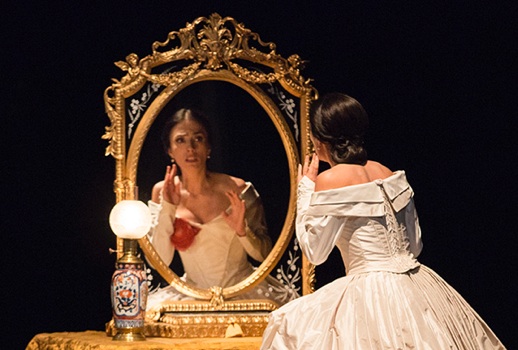
Three nights in Paris
“Oh to be young and going to Paris for the first time,” exclaimed an elderly gentleman who donned his best sweatervest for a concert at the Ottawa International Chamber Music Festival this past August.
“Oh to be young and going to Paris for the first time,” exclaimed an elderly gentleman who donned his best sweatervest for a concert at the Ottawa International Chamber Music Festival this past August.
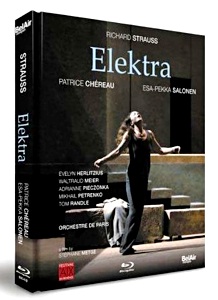
None of my previous Elektra experiences prepared me for this stunning, overwhelming performance from the Festival d’Aix-en-Provence.
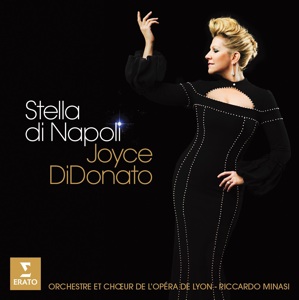
After listening to “Stella di Napoli,” her mightily impressive new CD of rare bel canto arias just released by Erato, I felt many of the old sparks reigniting.

In recent years the enterprising Dell’Arte Opera Ensemble has brightened the usually arid weeks of August in New York City with some worthy operatic showcases for young singers.
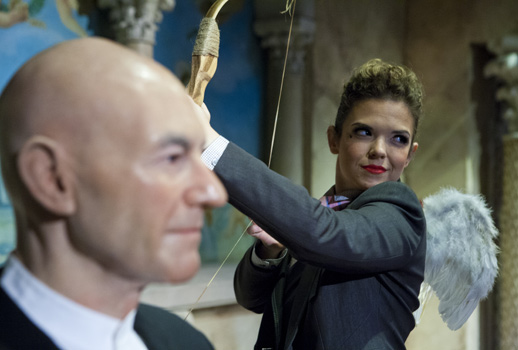
I avoided visiting any waxworks establishment until On Site Opera’s lively production of Rameau’s one-act Pygmalion summoned me Tuesday evening to Madame Tussauds just off New York City’s Times Square.
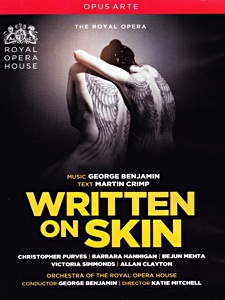
George Benjamin’s 2012 opera Written on Skin received great acclaim at its opening at the Festival d’Aix-en-Provence, and the Royal Opera quickly mounted it in March 2013.
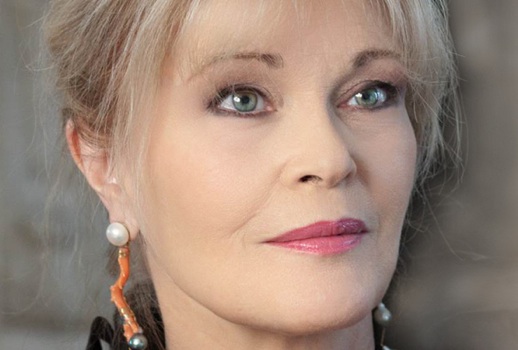
After her marvelous Pat Nixon at the Théâtre du Châtelet two years ago, June Anderson returned there last Wednesday with pianist Jeff Cohen for a recital of French melodies and Broadway songs.

What must have raced through the mind of the none-too-comely Spanish Infanta when she learned that the opera to be performed during the celebrations for her 1745 wedding to the French Dauphin revolved around the comeuppance of an ugly yet vain water nymph tricked into believing Jupiter was her ardent suitor?
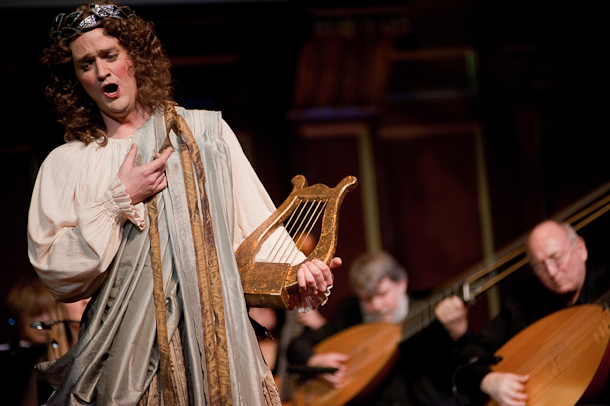
For one week every two years since 1981 the eyes—and ears—of those interested in period performance turn to the Boston Early Music Festival, particularly to its opera centerpiece, but that organization doesn’t rest on its laurels in between festivals.
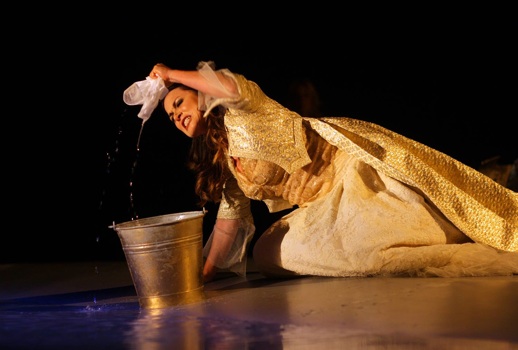
I suspect most New York City opera-lovers had long since given up hope that the fascinating soprano Anna Caterina Antonacci would ever return to their city.
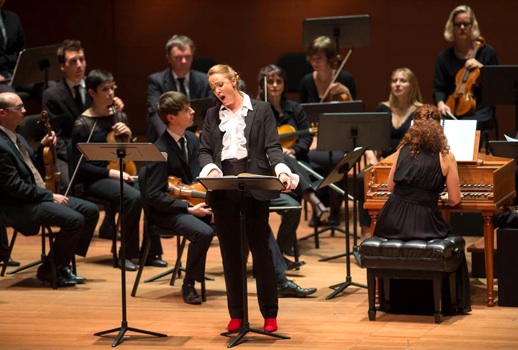
I can think of no other case that resembles Handel’s complex relationship to the story—derived from Ovid’s Metamorphoses—of the ill-fated love between the shepherd Acis and the sea nymph Galatea.
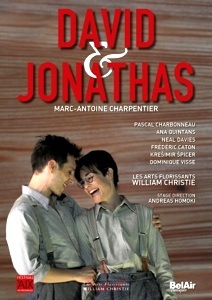
Marc-Antoine Charpentier’s opera David et Jonathas, written for a celebration at a Jesuit school in 1688, premiered together with a Latin verse drama, Saul, now lost.
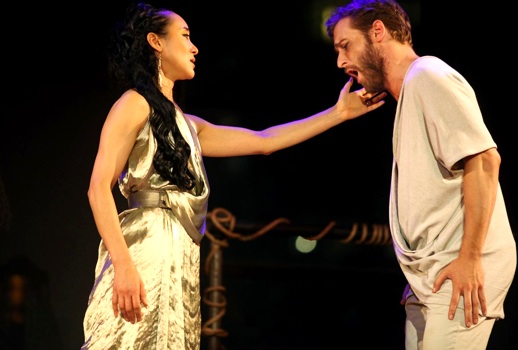
In the program for Opera Omnia’s production of Monteverdi’s Il ritorno di Ulisse, Crystal Manich, the company’s stage director, speaks of producing “baroque works in non-traditional ways.”

Seventeenth century opera remains the true connoisseur’s delight partly because it’s so rarely done.
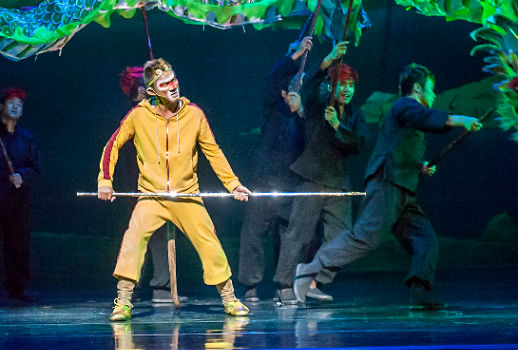
East is West and West is East—the border ever less easy to fix.

For decades thousands and thousands have attended Handel’s Messiah (usually around Christmas or more appropriately near Easter) making it easily one of the most widely known works of classical music.
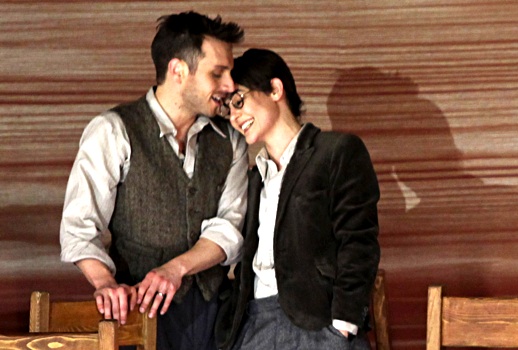
You have only until Sunday to catch the most heart-breaking moments seen on New York City operatic stages this season.

Giulio Cesare at the Met proved an evening that added up to much more than the sum of its uneven parts.
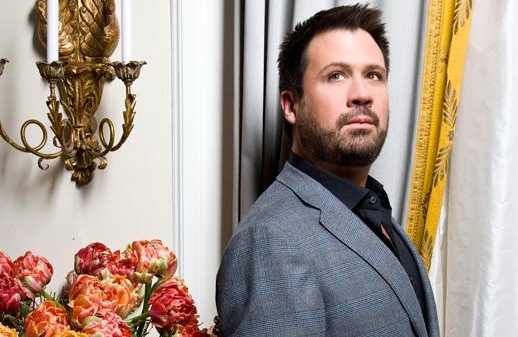
Nearly 30 years after a Handel opera last played there, Carnegie Hall presented The English Concert opening a three-year opera-oratorio project on Sunday afternoon with Radamisto.

Love grand opera but wary of a six o’clock curtain with five hours of music behind it? (And nothing is grander than Berlioz’s Les Troyens, eh?) Your dilemma has been solved. Show up at the Met at 7:30 or 8:00, whenever they have the first intermission.
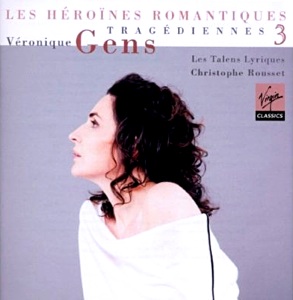
Cecilia Bartoli and Joyce DiDonato are not the only ladies who have recorded recitals this year featuring music from the 17th and 18th centuries.
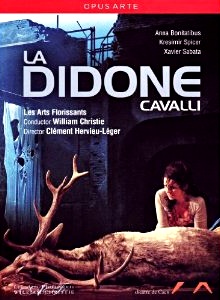
The theatrical expression “You can’t tell the players without a program” was never more apt than when applied to Opus Arte’s release of Cavalli’s La Didone.
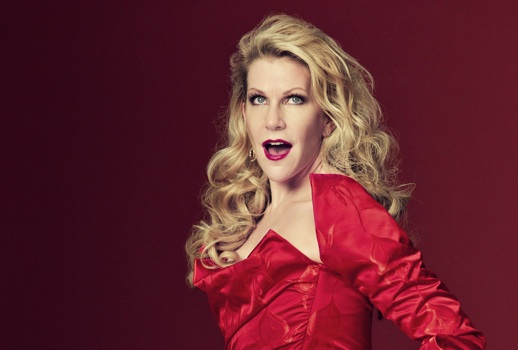
If you’re the sort who prefers his diva to be an unapproachable sphinx prone to infuriating cancellations while radiating ennui, I suspect that the sunny, hard-working, grateful persona of American mezzo soprano Joyce DiDonato will not appeal to you at all.
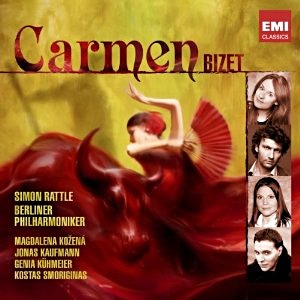
Press quotes on the back of this new release from EMI of Georges Bizet’s masterpiece promise ”a stylish and cliché-free Carmen” and on most fronts I think it’s a fair assessment.

The days are getting shorter, but you can keep the prattle going this fall’s Talk of the Town! You will, you can, you must join in the discussion about: Great mezzo soprano performances (October),
Gained in translation (November), Teleport me back to… (December).
Exclusive opera reviews, commentary, and top reads
delivered to your email weekly…ish.