
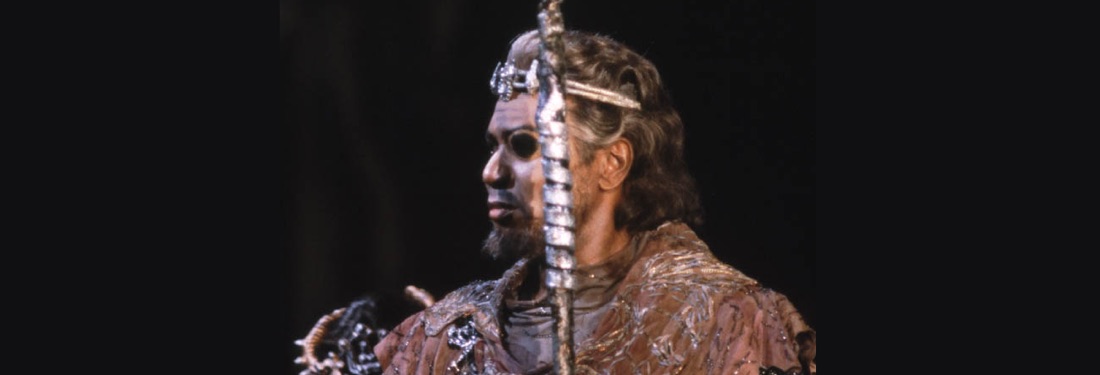
“A valiant if not completely successful attempt”
On this day in 1986, the Metropolitan Opera opened its season with a new production of Wagner’s Die Walküre.
18 pieces since 2010 — in 6 roles, at 3 companies, most often at Metropolitan Opera.
On this day in 1986, the Metropolitan Opera opened its season with a new production of Wagner’s Die Walküre.
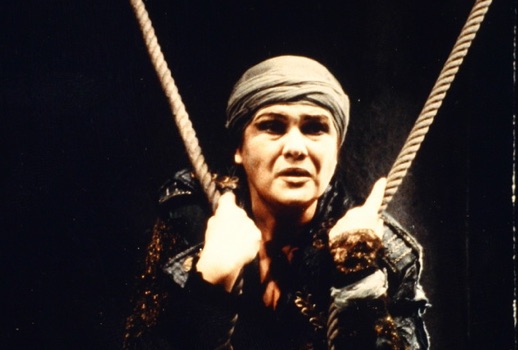
“I will never sing the role again. It was frightful. We were a set of madwomen…There is nothing beyond Elektra. We have lived and reached the furthest boundaries in dramatic writing for the voice with Wagner. But Richard Strauss goes beyond him. His singing voices are lost. We have come to a full stop.”

The Met has finally released the contents of the James Levine 40th Anniversary box sets separately for those of us who didn’t have $500 lying around.
Richard Strauss’s brilliantly disturbing Elektra was first performed at the Dresden State Opera in 1909, and arrived in America in 1910 at the Manhattan Opera House. A second American premiere, this time in the original German, was in Philadelphia in 1931 with – and this will kill you – Nelson Eddy as Orestes. Along with […]
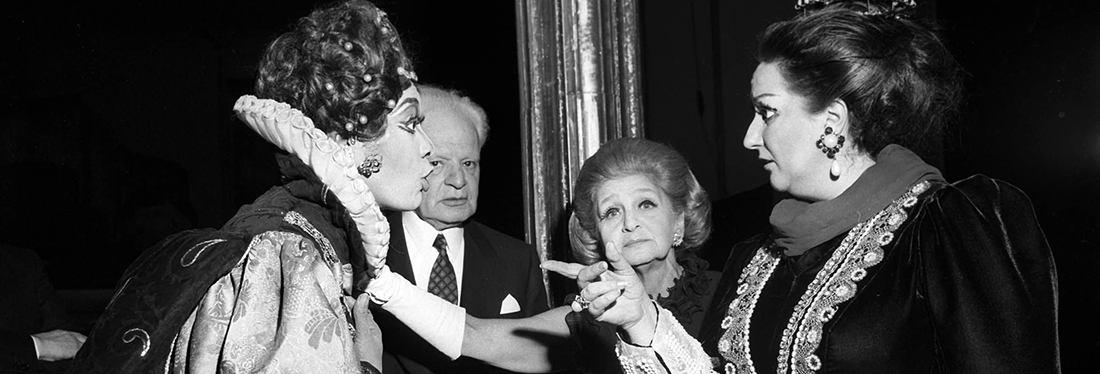
Zachary Woolfe reflects on the legacy of parterre box founder James Jorden and three decades of “remembering when opera was queer and dangerous and exciting and making it that way again”
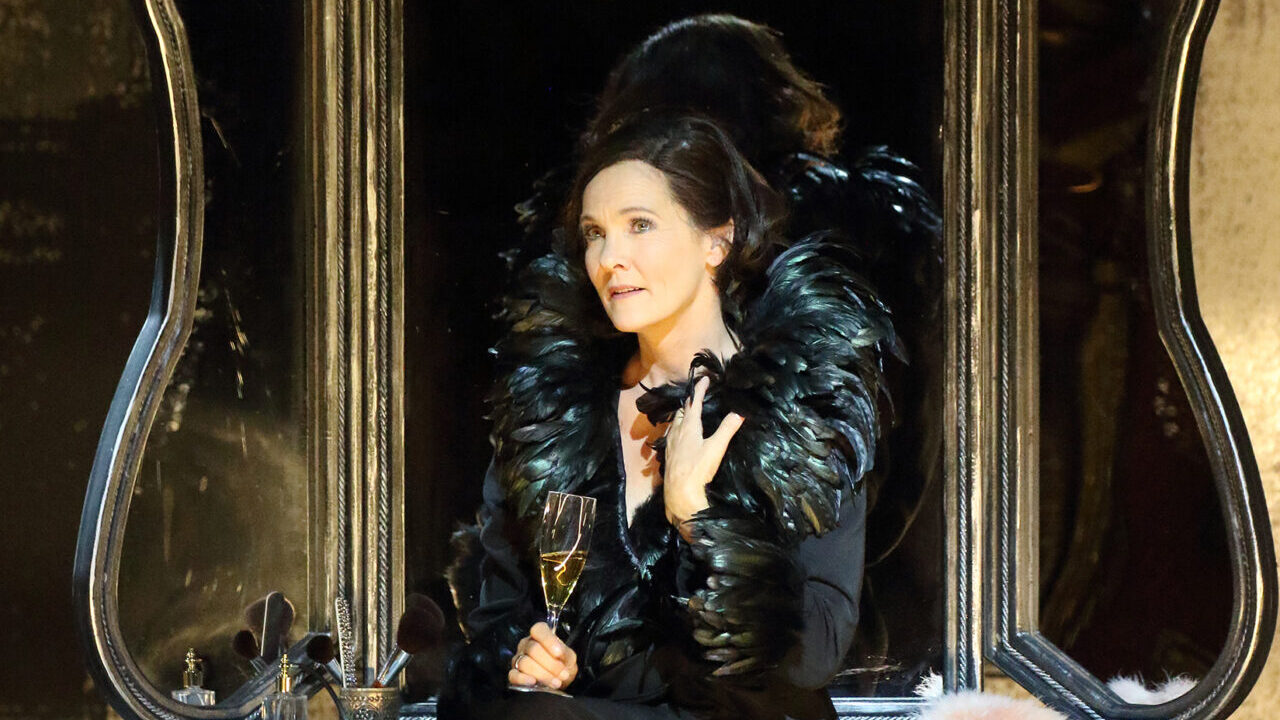
Der Rosenkavalier is a three-hour meditation on nostalgia. What could be better to bathe in?

With most of us dug in for the duration, there’s no better time to tuck into a CD box set of neglected treasures. Not that I needed an excuse, mind you.
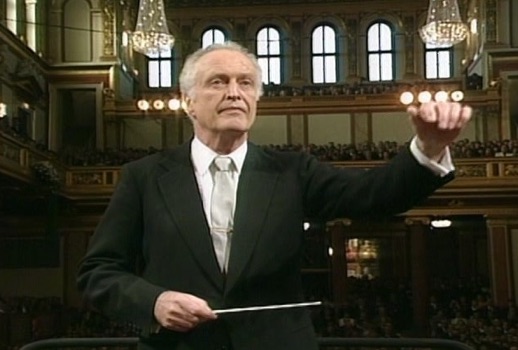
“Trove Thursday” celebrates with Carlos Kleiber conducting Johann Strauss, Jr.’s Die Fledermaus.

The days are getting shorter, but you can keep the prattle going this fall’s Talk of the Town! You will, you can, you must join in the discussion about: Great mezzo soprano performances (October),
Gained in translation (November), Teleport me back to… (December).
Exclusive opera reviews, commentary, and top reads
delivered to your email weekly…ish.