
Band in Boston
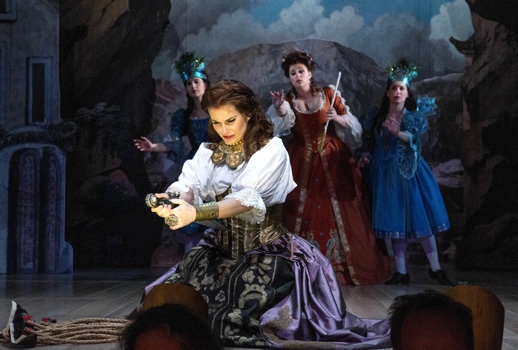
In the triumphant American premiere of Orlando Generoso at the Boston Early Music Festival last week, the hippogriff was among the many stars of the show.
16 pieces since 2011 — in 11 roles, at 4 companies, most often at Boston Early Music Festival.
In the triumphant American premiere of Orlando Generoso at the Boston Early Music Festival last week, the hippogriff was among the many stars of the show.
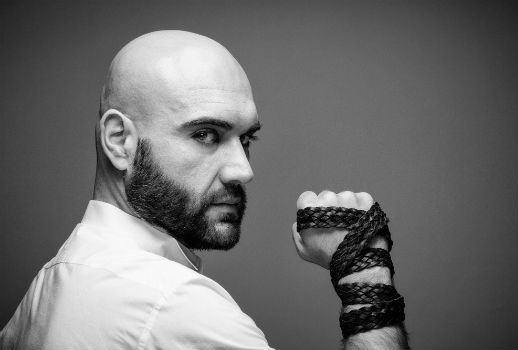
His shaved head in striking contrast to his dark beard and glinting eyes, the implacable Tartar conqueror glowers at us from the CD cover, while the uncropped photo of countertenor Xavier Sabata (above) is even more disturbing, featuring his raised fist and forearm tightly wrapped in a leather belt.
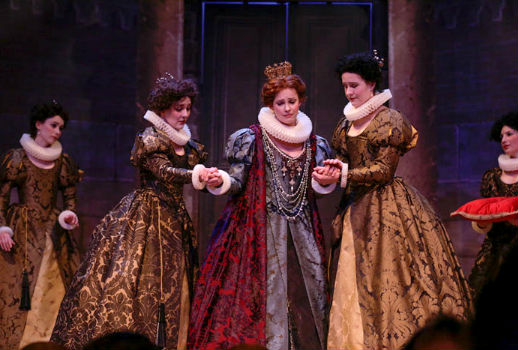
Handel’s first surviving musical composition is Almira, the opera he wrote in a hurry when shake-ups at the Hamburg opera house, where the 19-year-old had been playing in the violin section, left a planned production unfinished.
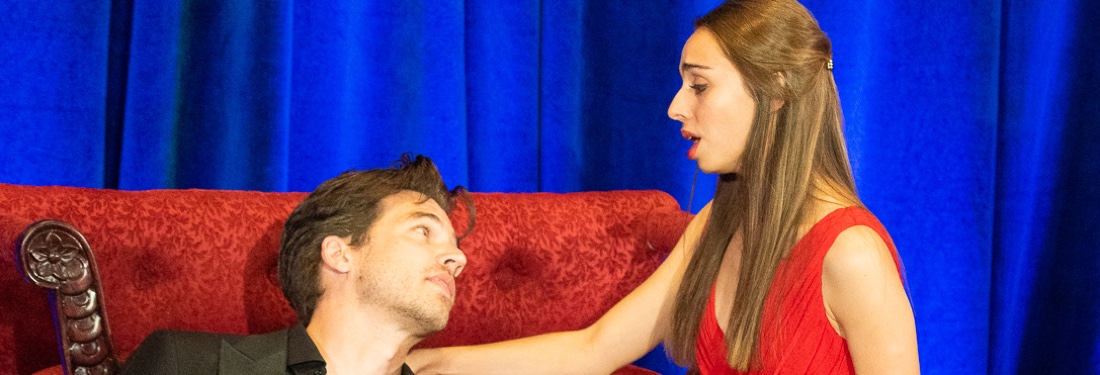
Over the past week New York City was blessed by two appealing 17th century presentations: John Blow’s Venus and Adonis from Opera Lafayette and La Storia di Orfeo courtesy of the Boston Early Music Festival.

As Messiah season begins, Christopher Corwin reports on two of Handel’s forays into the Old Testament.

Can it be nearly a quarter-century ago that an Italian mezzo-soprano in her early twenties recorded her first recital?
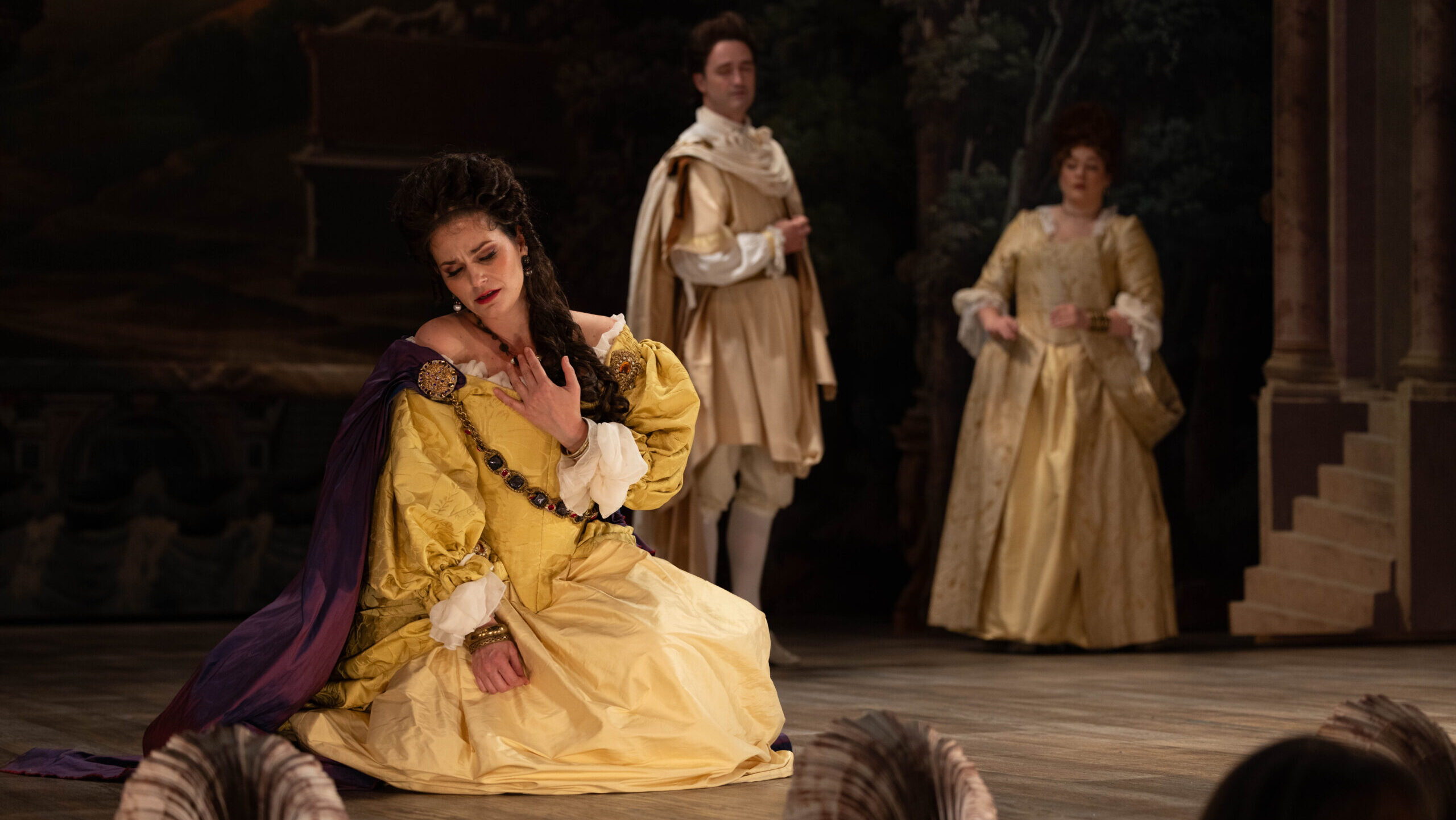
The operatic offerings of Boston Early Music Festival — Keiser‘s Octavia and Telemann‘s Pimpinone and Ino — are delectable discoveries

Who needs sets and costumes anyway?
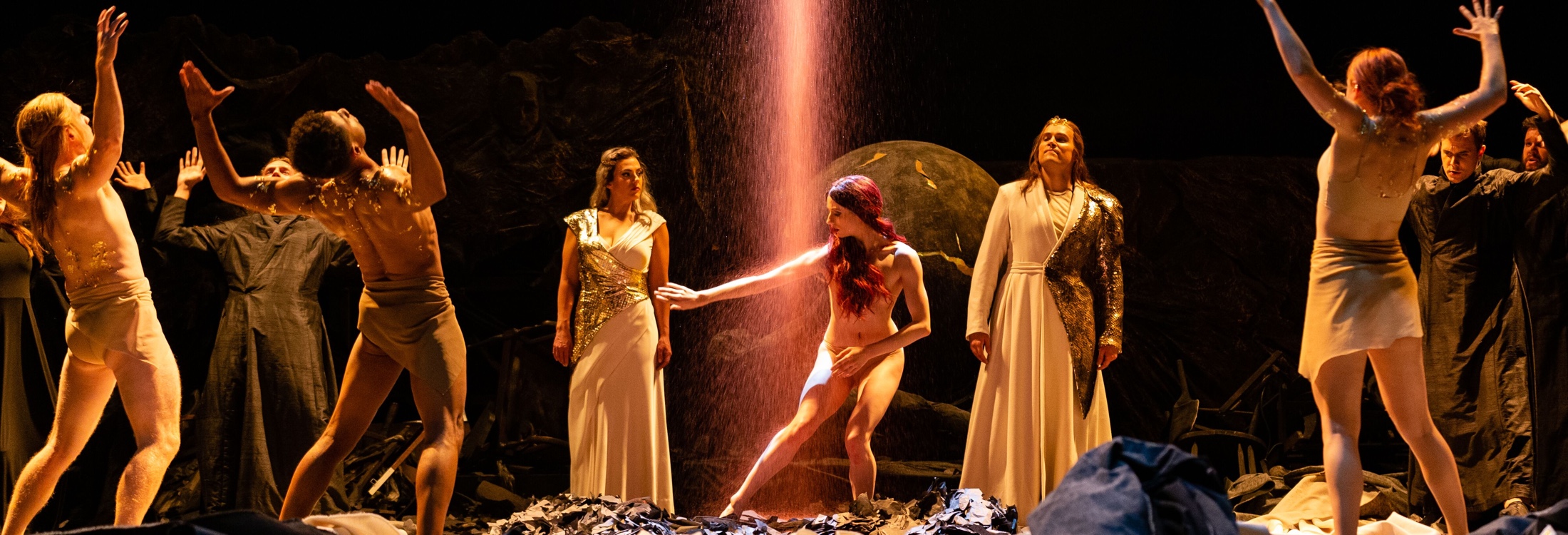
Kudos to Opera Philadelphia for programming Handel’s Semele in its exceptionally interesting and wide-ranging Festival 2019; unfortunately, despite an extraordinary cast, James Darrah’s drably dull production doomed it.

Notable purveyor of mayhem and infanticide Medea has lately been missing from the local operatic scene, but Sunday afternoon sections of the recently renovated Alice Tully Hall were singed by Canadian soprano Dominique Labelle’s blazing incarnation of the Greek sorceress.
Despite baby-steps over the years, America’s musical scene, especially opera, remains decidedly un-HIP. (HIP: “historically-informed performance,” also called “period performance.”) While European opera houses turn increasingly to “original instrument” orchestras and specialist singers for seventeenth and eighteenth century works, this rarely occurs in the US.

The days are getting shorter, but you can keep the prattle going this fall’s Talk of the Town! You will, you can, you must join in the discussion about: Great mezzo soprano performances (October),
Gained in translation (November), Teleport me back to… (December).
Exclusive opera reviews, commentary, and top reads
delivered to your email weekly…ish.