Christian Ocier

Christian Ocier emerged fully formed one eros-filled evening from the nocturnal thrum of Tristan und Isolde’s Liebesnacht. During the Tag half of his life’s equation, he doubles as a pâtissier and a nanophotonic materials science Ph.D. student, a degree which he will soon complete at the University of Illinois at Urbana-Champaign. Christian’s serious love for opera was sparked during his mid-teens after listening to Carlo Maria Giulini’s 5-Act Don Carlo. Eventually, his tastes gravitated to the dramas of Wagner, Strauss, Bartok, Janacek and Berg. To him few things make Nacht more transcendent than great performances of Tristan, Die Frau Ohne Schatten or Lulu—the trifecta of operas he adores the most. His tortes, entremets, and entrées honoring great musicians include La Stemme Divine (Nina Stemme), Le Grande Lise (Lise Davidsen), and Ravioli all’Ambrogio Maestri.
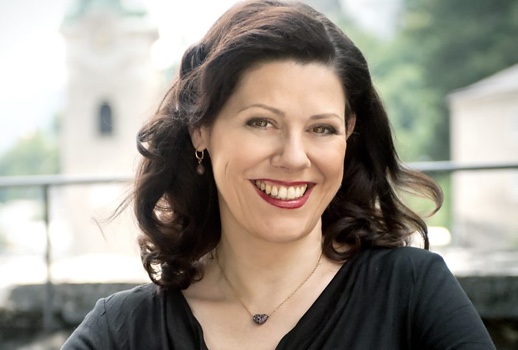
No other singer of Die Amme approaches the towering standard set by the German mezzo Tanja Ariane Baumgartner.
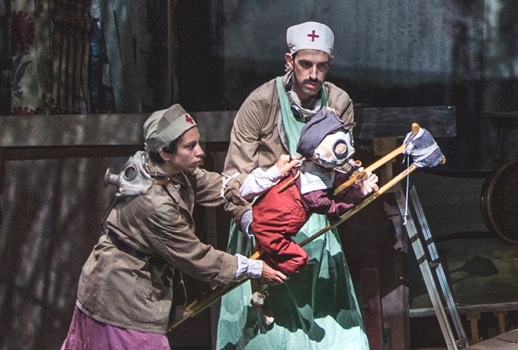
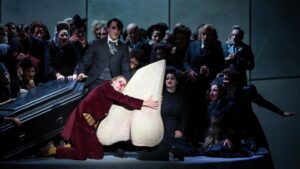
Alban Berg’s compact yet potent oeuvre has long played an outsized role in shaping my understanding of music’s aesthetic evolution.
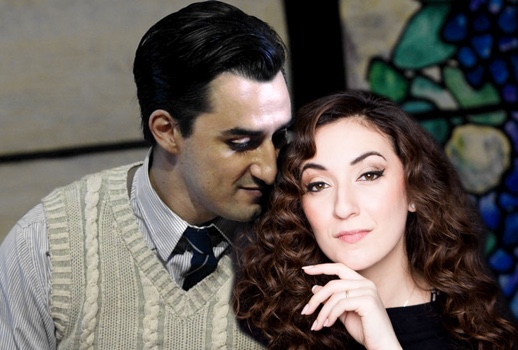
Fill in the leads for Manon Lescaut, La Rondine and Edgar.
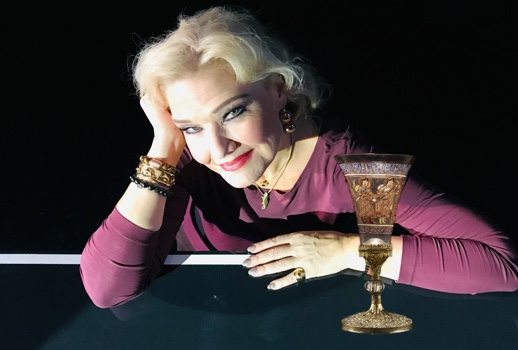
Assembling casts for three works: Wagner’s Tristan und Isolde for Karita Mattila, Mussorgsky’s Boris Godunov, and Aribert Reimann’s Troades.
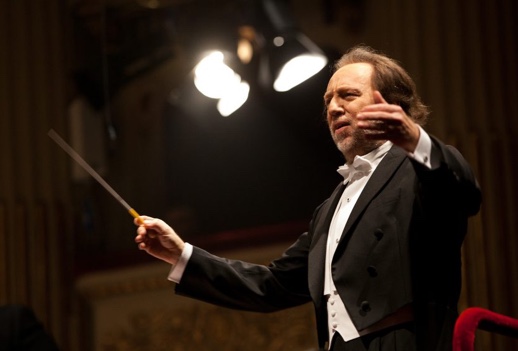
Riccardo Chailly’s appointment as La Scala’s new music director was news that I greeted with enthusiasm when first announced in 2013.
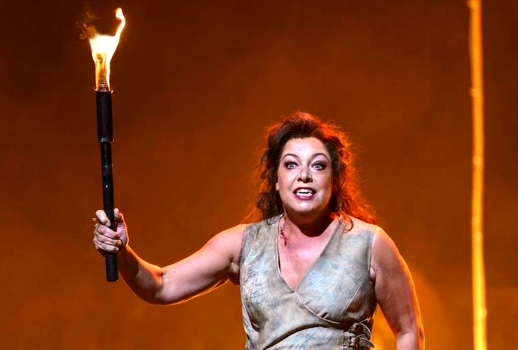
I count myself as privileged to have witnessed Götterdämmerungat the Royal Opera House during this season’s revival of Keith Warner’s Ring.
Tell us: What’s your favorite Verdi performance?
Hasten thee to feed another quarter of conversation for The Talk of the Town!