Music to heal the hurt
Ten years since the death of countertenor Brian Asawa, Charles Stanton remembers his friend and corrects the record on his untimely passing.

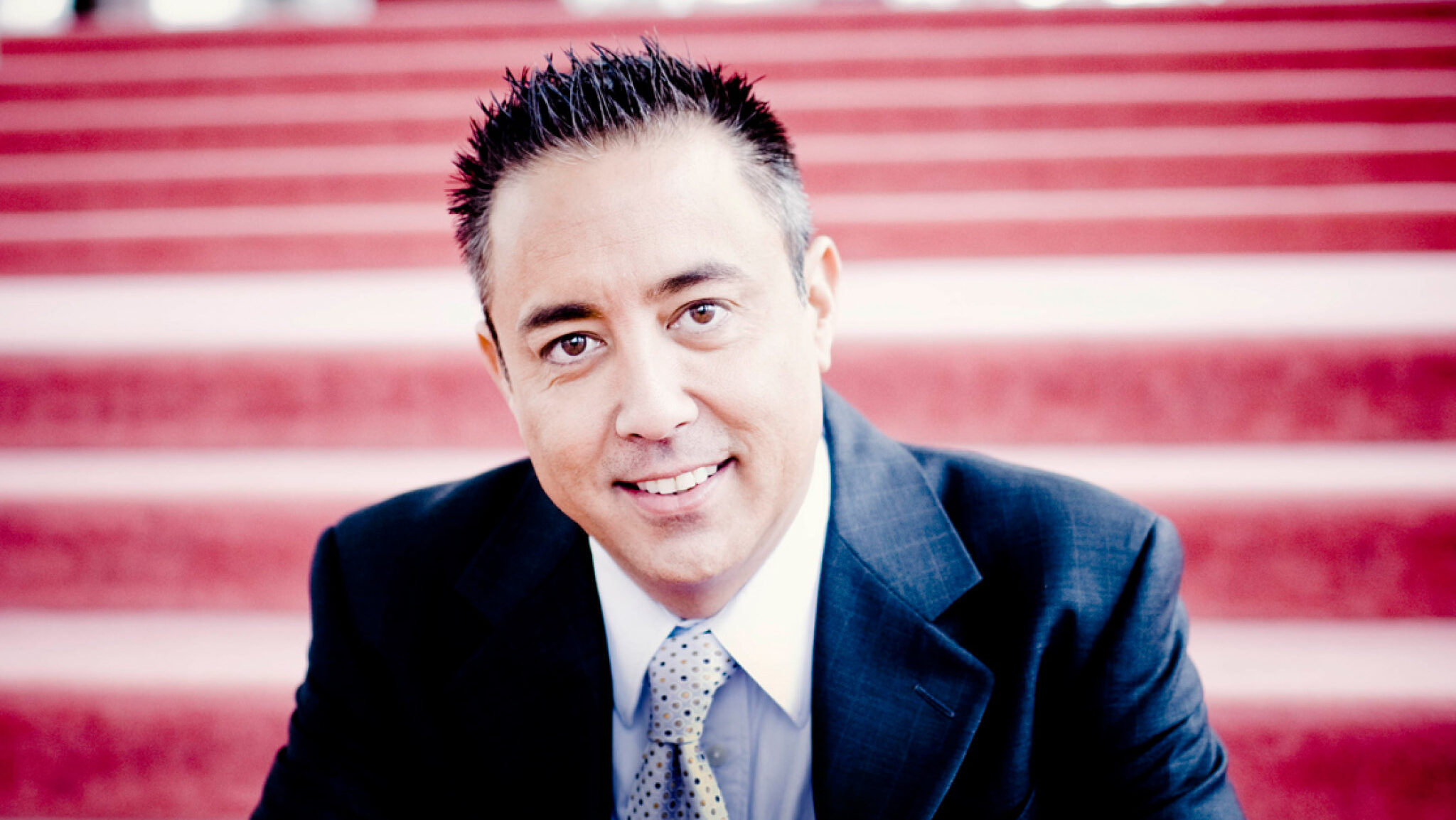
Countertenor Brian Asawa / Photo: Marco Boggreve
Ten years ago today, countertenor Brian Asawa died. I had the privilege of meeting Brian when he performed at the university where I was teaching voice and directing opera at the time. We later reconnected and stayed in touch for several years, through the end of his life.
After Brian died, an online music critic published what amounted to an unauthorized obituary that originally focused heavily on his alcoholism and framed his death as a kind of slow, intentional suicide. Many people in the classical music community were rightly outraged. It seemed as if it had been written with the intent to be sensational and was voyeuristic, reductive, and deeply disrespectful to someone whose life and artistry deserved far more care and respect. Fortunately, that blog post was later edited to a much more neutral message.
All these years later, I feel it is appropriate – imperative actually – to say something that helps reconcile that moment with the truth of who Brian was and who so many of us knew him to be.
Brian was charismatic, hilarious, immensely talented, and extraordinarily intelligent. He loved music and music making with a depth that was unmistakable. His career was truly remarkable, and despite personal challenges, he remained dedicated to his craft and was a tremendous musician and singer throughout his life. He had tantrums. All great musicians have done the same. He was emotional. We all are. It is OPERA after all! And he was beautifully flawed – like all of us. And those flaws also made him accepting, loving, and painfully funny.
For those unfamiliar with his work, Brian Asawa was a Japanese-American countertenor whose career was defined by historic firsts. In 1991 he became the first countertenor to win the Metropolitan Opera National Council Auditions and an Adler Fellowship at San Francisco Opera. He later became the first and, I believe, the only countertenor to win Placido Domingo’s Operalia International Competition.
During his more than two decades on stage, he performed in the world’s greatest opera houses including the Met, the Paris Opera, Covent Garden, and many others. He also championed new music by commissioning works from living composers. Alex Ross wrote in The New York Times that Brian possessed “the kind of pure, effortless countertenor voice that comes along only once in a long while.” That sentiment has been echoed by many listeners during and following Brian’s career and his many recordings. Opera News called him “an electric performer.” He was considered, by any measure, extraordinary.
It was no secret that Brian struggled with alcoholism. What was so upsetting about that pseudo-obituary and armchair psychology was not that it acknowledged his struggle, but that it portrayed him as someone who was consciously or subconsciously trying to end his life. That characterization, and the wrongheaded understanding of addiction that underlies it, could not be further from the truth. I can say without hesitation that his goal was not death. He was seeking solace in the wrong way to cope with the hurt, loss, and grief he had experienced in his life. He tried to find peace by numbing himself. That story is painfully familiar to many of us in the LGBTQ+ community, whether through alcohol, work, perfectionism, or other forms of escape. We cope… or try to.
Brian was joyful and loving. He was also deeply wounded by the knowledge that, for much of his life, he believed he would never be fully accepted by parts of his family and parts of society because he was gay. Based on his own stories, he was an incredibly sensitive child. Like many misunderstood LGBTQ+ children, his gentleness, his emotional openness, and his “difference” were troubling to some people including his family. He did not align with expectations placed on him, whether cultural, familial, or personal, and that weighed on him for decades.
Brian and I reconnected years after my particularly challenging divorce that involved my ending of many relationships from that time in my life. Reconnecting with Brian was deeply special to me. I left music because of personal betrayal in it while Brian stayed in music to heal from hurt caused elsewhere. Our conversations on that topic were profound, and I was — and am — grateful. He would probably say he was the best version of himself when he was making music. His music transcended everything else and it was uniquely beautiful.
What remains extraordinary to me is that despite this pain, Brian continued to be effervescent, loving, and incredibly kind. His music making remained beautiful, generous, and deeply alive. That, to me, is not the legacy of someone giving up on life, as the initial discourse seemed to imply. It is the legacy of someone who kept choosing connection, artistry, and love even when it was hard.
-
Topics: brian asawa, Sad
-
People: Alex Rosen, Brian Asawa, Plácido Domingo
-
Places & Organizations: Metropolitan Opera, Paris Opera, San Francisco Opera