



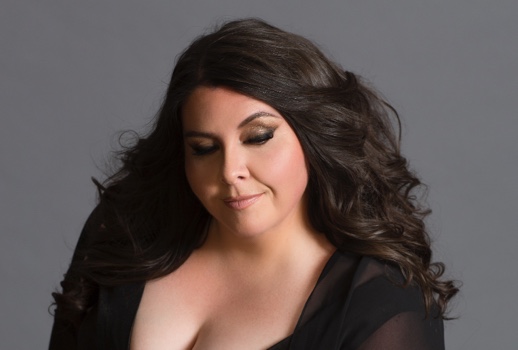

Will Crutchfield’s Bel Canto at Caramoor program of concert operas concluded with a bang on Saturday with Bellini’s first success, Il Pirata.
By John Yohalem
5 comments
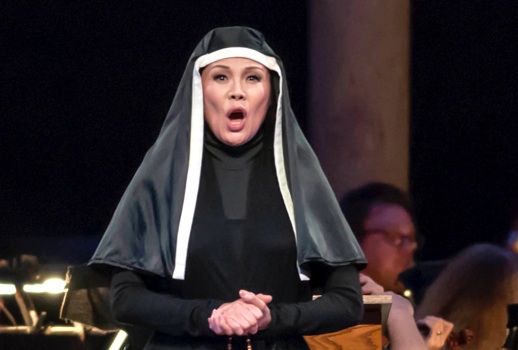
A leap forward of more than a century to present the Francis Poulenc opera Dialogues des Carmélites sounded ominous.
By La Cieca


Saturday evening conductor Will Crutchfield revived Donizetti’s La Favorite—unheard in New York for fifteen years.
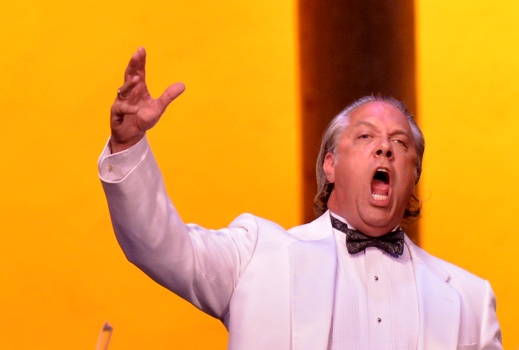
Bel Canto at Caramoor is something that I’ve always wanted to attend but never have because … well because frankly I’m just too lazy during the summers, and I’m also a big baby about outdoor performances.
By Poison Ivy
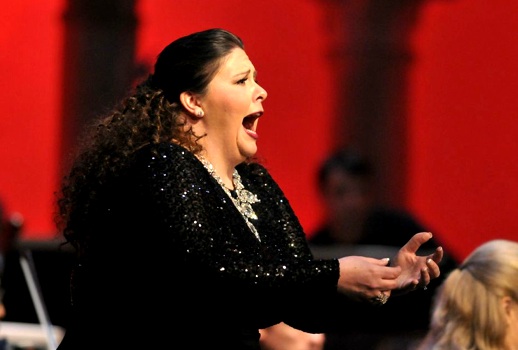
Two operas both alike in dignity, set in dimly lit Renaissance towns ruled by seething, conspiratorial courts.
By John Yohalem


Giuseppe and I have always had a complicated relationship.
The big news from Bel Canto at Caramoor’s presentation of Les Vêpres Siciliennes last Saturday is far from unexpected.
By John Yohalem
“Let’s go up to Westchester!”
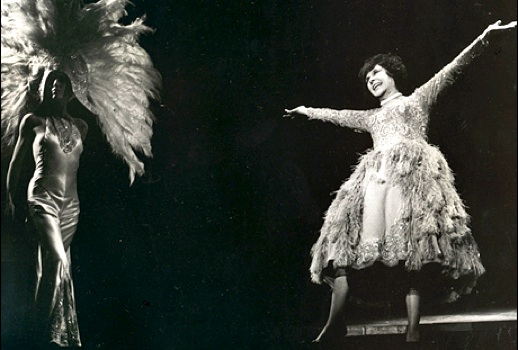
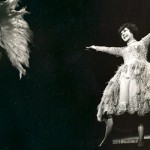
This summer at Caramoor, Will Crutchfield (not pictured) will conduct two Verdi operas written for the Académie Royale de Musique.
By La Cieca
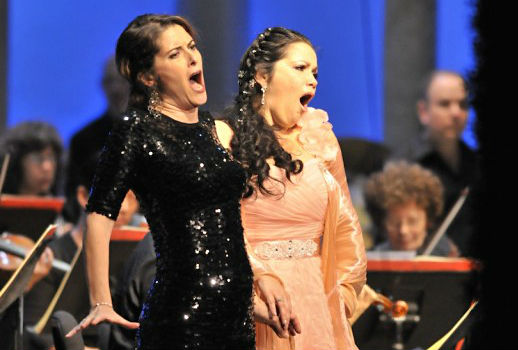
Richard Wagner told Cosima he first got the idea of composing an opera about Tristan and Isolde while he was conducting Bellini’s I Capuleti e i Montecchi starring his muse, Wilhelmine Schröder-Devrient, in the trouser role of Romeo.


By the time Rossini was 20, he had produced six operas, most of them brief, comic and slight. He admitted to admiring Mozart (not then well known south of the Alps), but the melodies of his early works show more of the influence of Paisiello.
By John Yohalem
Repertory for “Bel Canto at Caramoor” 2011: H.M.S. Pinafore and Guillaume Tell.
By La Cieca
The Post decided to pass on a review of the Caramoor Maria di Rohan (July 24), but the presentation is definitely worth a mention and some discussion, so let’s take it to parterre.
By La Cieca
What impressed La Cieca at the Caramoor concert of Semiramide on Friday was not so much the quality of the performance (though that was on a solidly high level) but the magnificence of the work itself. This magnificence stands out now in even greater relief after the comparison with Les Huguenots later in the weekend.
By La Cieca