
The mania event
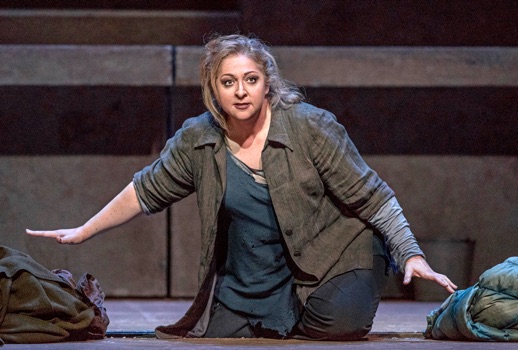
Christine Goerke‘s puzzling high register has become an increasingly troubling aspect of her singing. One just never knew what was going to come out from one moment to the next.
43 pieces since 2011.
Christine Goerke‘s puzzling high register has become an increasingly troubling aspect of her singing. One just never knew what was going to come out from one moment to the next.
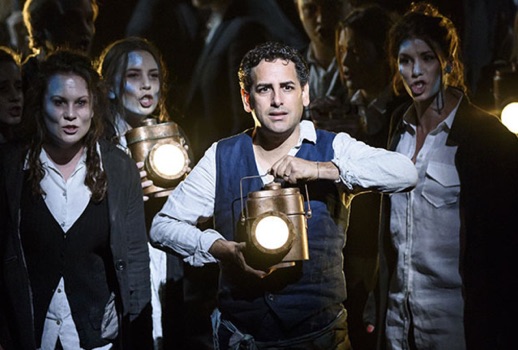
A simply gorgeous performance of Gluck’s Orphée et Euridice starring Juan Diego Flórez.
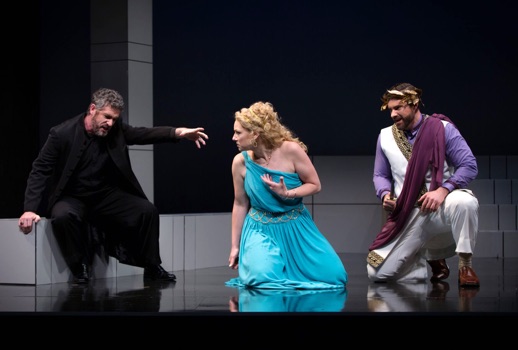
Ezio was an inspired choice for Boston’s feisty Odyssey Opera to open its “When In Rome” festival.
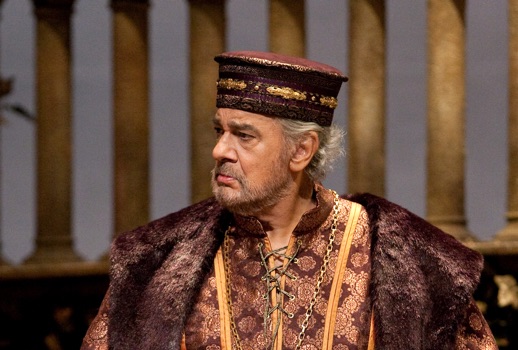
That Placido Domingo and James Levine, the Met’s inexorable septuagenarians, would team up yet again—on April Fools’ Day, no less—for a revival of Verdi’s Simon Boccanegra occasioned an uncomfortable degree of doubt and dread.
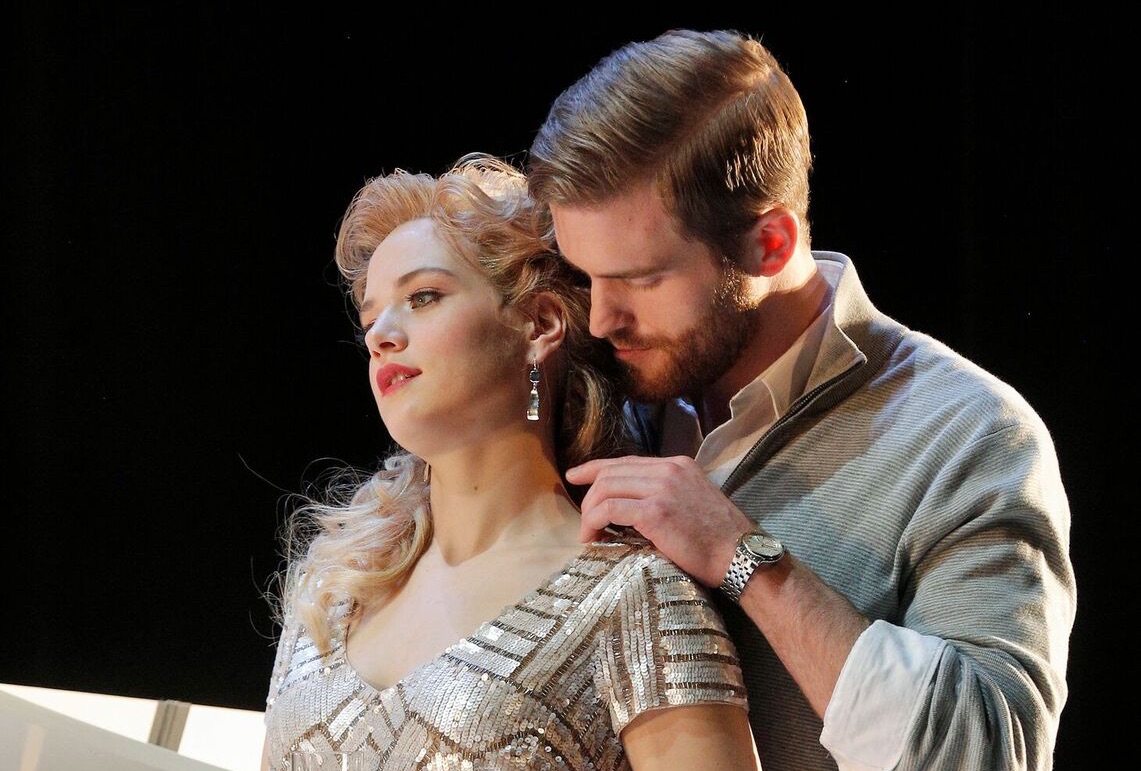
Capriccio was a great pleasure on Friday night, March 4. This was a co-production of Opera Philadelphia and The Curtis Institute, presented in the intimate Pearlman Theater at the Kimmel Center.
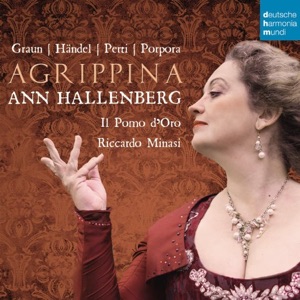
Fans of divas who sing 19th and 20th century opera may find themselves searching in vain for CDs to buy with this season’s gift cards, since their idols so rarely put out solo recitals these days.

Simply put, Christine Goerke is a stupendous Elektra.
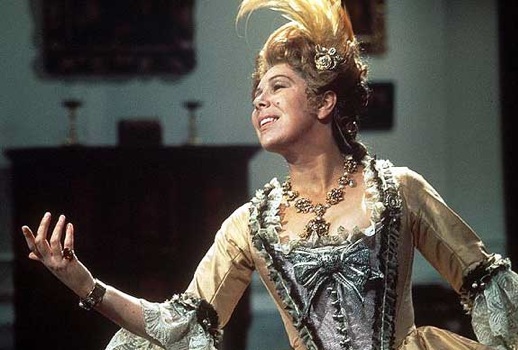
It never occurred to me that each tape had to be individually dubbed or that others, maybe many, many others, might also be ordering tapes at the same time.
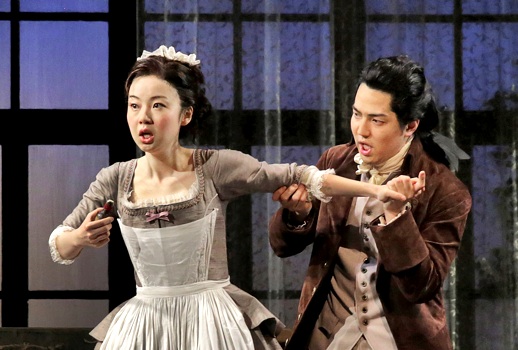
All those who have been in a rage since the news broke this week that the Metropolitan Opera has invited Calixto Bieito to stage Verdi’s La Forza del Destino can relax and embrace the Juilliard Opera’s new Le Nozze di Figaro which opened Friday night.

Gluck’s Iphigénie en Aulide (1774), the occasion of his Paris debut, gets far less respect than her sequel, Iphigénie en Tauride.

Karita Mattila is a gift to this planet.
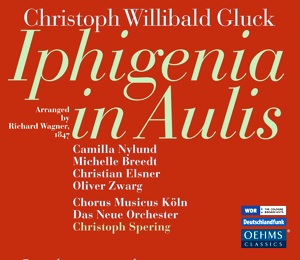
When Richard Wagner reached into the past and revised Gluck’s Iphigénie en Aulide, he went beyond the accepted boundaries of tinkering and more or less created a new work that’s fomented aesthetic debates ever since.
Short answer: yes. But let’s begin by dismissing the a blatant canard. One thing that the Metropolitan Opera does not need to do is to scale back the number of performances in a season.
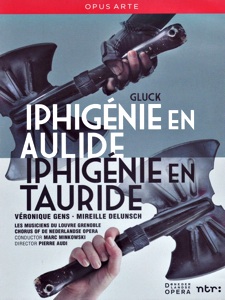
De Nederlandse Opera’s remarkable 2011 feat of premiering productions of Gluck’s Iphigénie en Aulide and Iphigénie en Tauride on the same day and virtually the same set has been issued on a 2-DVD set by Opus Arte .
.

Love grand opera but wary of a six o’clock curtain with five hours of music behind it? (And nothing is grander than Berlioz’s Les Troyens, eh?) Your dilemma has been solved. Show up at the Met at 7:30 or 8:00, whenever they have the first intermission.
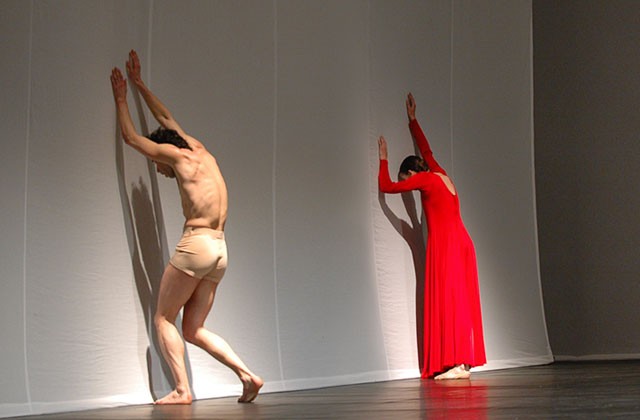
Is the threnody, the lament over a beloved corpse, the oldest form of song? Surely it is among the oldest; one of the most widespread and stylistically various, millennia before opera was devised.
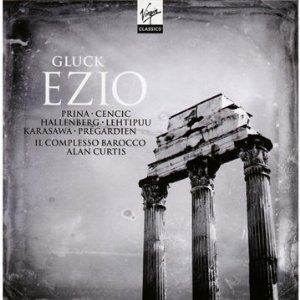
For all his historical importance Christoph Willibald Gluck remains one of the least known and performed of the great opera composers.
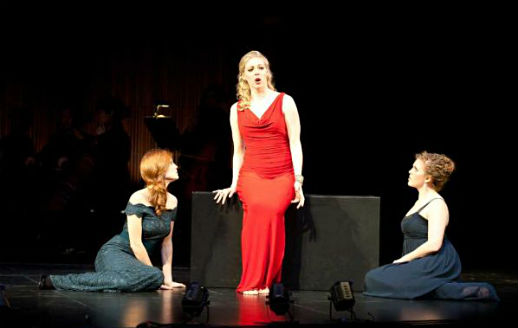
Almost exactly one hundred years ago on March 18, 1912, the Metropolitan Opera gave its final performance to date of Armide.
I half-wanted to dislike it; my expectations were very low. Renée Fleming in the Baroque, after her very uncertain recent outings in bel canto! Let’s face it; this year, her Rossini (Armida) and Donizetti (Lucrezia Borgia) did not cover her in glory. How, at this HD relay on December 3, would she cope with Handel’s […]

The days are getting shorter, but you can keep the prattle going this fall’s Talk of the Town! You will, you can, you must join in the discussion about: Great mezzo soprano performances (October),
Gained in translation (November), Teleport me back to… (December).
Exclusive opera reviews, commentary, and top reads
delivered to your email weekly…ish.