
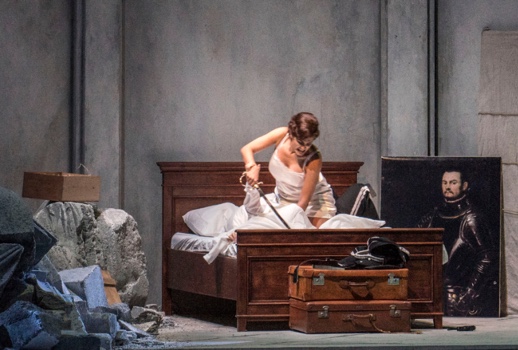
Sex and Vivaldi
The “Red Priest” of Venice once made reference to his “94 operas” in a letter to his patron.
4 pieces since 2011.
The “Red Priest” of Venice once made reference to his “94 operas” in a letter to his patron.

The behavioral phenomenon of limerence has been described as “an involuntary potentially inspiring state of adoration and attachment to a limerent object involving intrusive and obsessive thoughts, feelings and behaviors from euphoria to despair, contingent on perceived emotional reciprocation.”

That’s what it must have been like in 1726 London when Handel composed Alessandro for perhaps the three most famous (and expensive) singers of the day.
Other than binging on seven or eight Agatha Christie novels in seventh grade, I can’t recall ever again reading another mystery novel, or what they now call “crime fiction.” Perhaps it’s a coincidence but around that same age I attended my first opera and began subscribing to Opera News. Hence, Commissario Guido Brunetti, hero of […]

The days are getting shorter, but you can keep the prattle going this fall’s Talk of the Town! You will, you can, you must join in the discussion about: Great mezzo soprano performances (October),
Gained in translation (November), Teleport me back to… (December).
Exclusive opera reviews, commentary, and top reads
delivered to your email weekly…ish.