
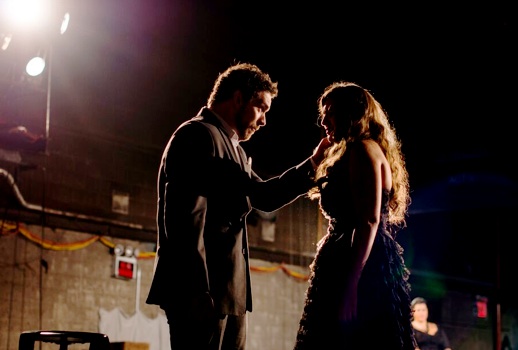
Bushwick leagues
LoftOpera is just one, though perhaps the liveliest, of many homegrown opera troupes in Brooklyn.
John Yohalem's critical writings have appeared in the New York Times Book Review, American Theater, Opera News, the Seattle Weekly, Christopher Street, Opera Today, Musical America and Enchanté: The Journal for the Urbane Pagan, among other publications. He claims to have attended 628 different operatic works (not to mention forty operettas), but others who were present are not sure they spotted him. What fascinates him, besides the links between operatic event and contemporary history, is how the operatic machine works: How voice and music and the ritual experience of theater interact to produce something beyond itself. He is writing a book on Shamanic Opera-Going.
LoftOpera is just one, though perhaps the liveliest, of many homegrown opera troupes in Brooklyn.
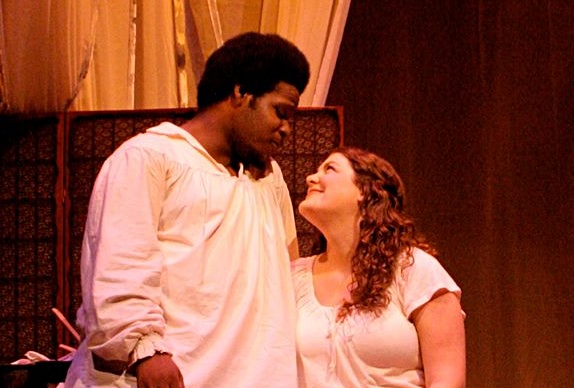
Homer, inspired by many a muse, sang not of sequels to his Iliad.
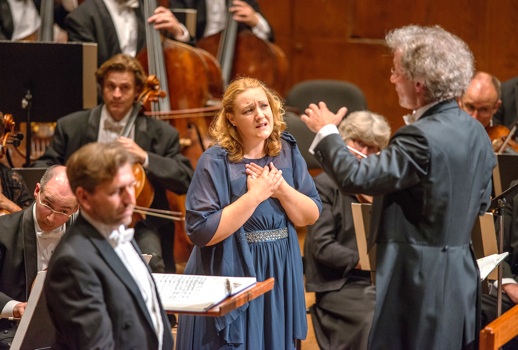
Richard Strauss’s many one-act operas make excellent concert programs, both for their length (usually under two hours) and the primary place each gives the orchestration, a specialty where Strauss’s brilliance seldom deserted him.

Harry Lawrence Freeman’s Voodoo, begun sometime before 1914, was completed and first heard on radio in May, 1928, then staged on Broadway later that year—seven years before Porgy and Bess, please note.
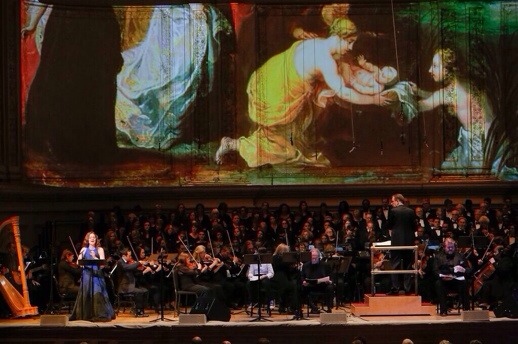
The creation of Kurt Weill’s The Eternal Road and its lately remodeled avatar, The Road of Promise, boiled down and premiered at Carnegie Hall Wednesday night by the Collegiate Chorale and the Orchestra of St. Luke’s, was an intricate process, far more interesting than the work itself.
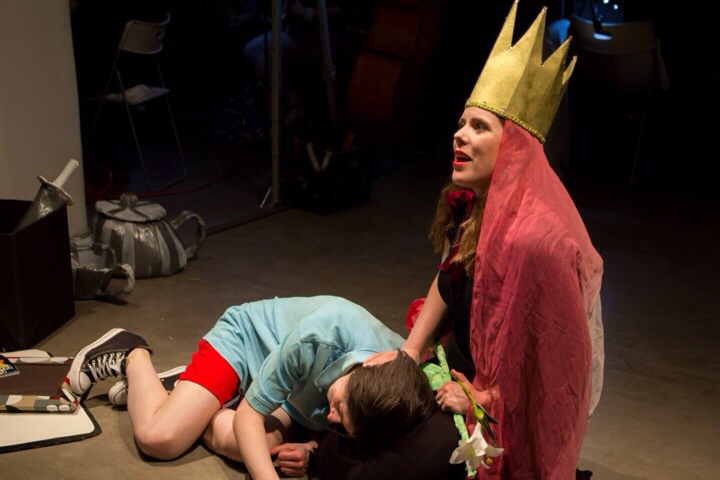
On Saturday, a new company called Bare Opera gave its first performance, a double bill of Debussy’s L’Enfant Prodigue and Ravel’s L’enfant et les sortilèges, at the Robert Miller Gallery in Chelsea.

It could get loud. It often does, especially when the soprano is mere inches from your ears, pleading with the duke for the life of the poor boy (parentage unknown) who insulted her notorious dynasty.

A performance space called the Sheen Center has opened its doors way down the far end of Bleecker Street, a stoner’s throw from where CBGB’s used to thrive beside the itsy-bitsy Amato Opera House. (You never forget your first Oberto, Conte di San Bonifacio.) Sheen Center, sizable and modern and slim on personality, contains two […]

Mr. Peabody, that Leonardo among canines, claimed she was suffering from toothache.
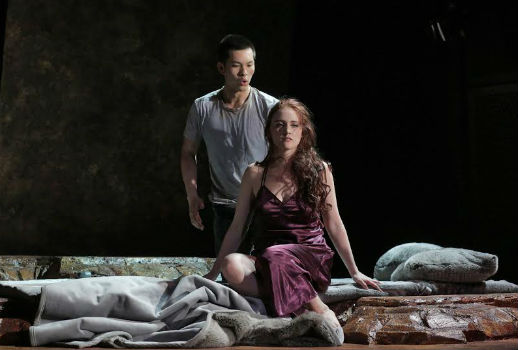
The Rape of Lucretia, now (through Sunday) enjoying a superb three-performance run at the Juilliard Opera’s Willson Theater (tickets are scarce; hie thee to the waiting list), was Benjamin Britten’s third opera and first “chamber opera,” composed for the tiny original theater at Glyndebourne,

Ellen Douglas finds herself in Act II of Rossini’s La Donna del Lago in the far from unusual operatic position of having her love claimed by two impassioned tenors in the bel canto version of a macho drag race.

Gluck’s Iphigénie en Aulide (1774), the occasion of his Paris debut, gets far less respect than her sequel, Iphigénie en Tauride.

A Countertenor Cabaret, starred no fewer than 14 of these once-rare songbirds, in the cabaret space of the Duplex on Sheridan Square.

The visit of the Mariinsky Theater’s resident company to the glittering opera house of the Brooklyn Academy of Music consists of three ballet programs with starry casts preceded, last night, by a single performance of Rodion Shchedrin’s opera, The Enchanted Wanderer.

St. Paul’s Chapel is the perfect site for Saul, Handel’s finest dramatic oratorio.

My memory is fading but the events I recall most vividly of the last season seem largely to have been concert performances.

A Birnam Wood of Macbeths and Ladys has come traipsing through New York this year.
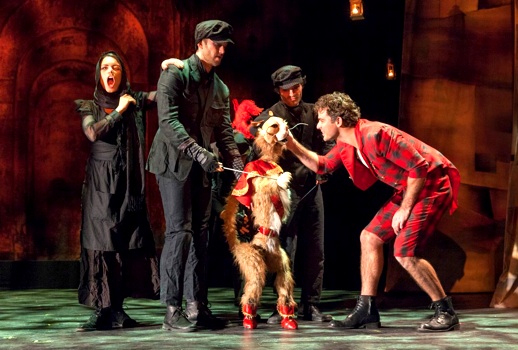
Xavier Montsalvatge is best known in these parts for the songs of his “Antilles” period in the 1940s, the exquisite “Cinco Canciones Negras” and so on, making use of rhythms and melodies with a Caribbean flavor.
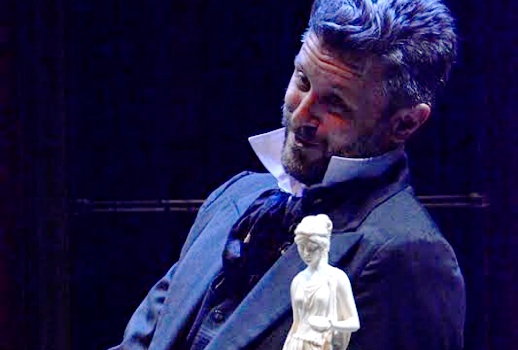
The Little Opera Theater of New York (LOTNY) is presenting a double-cast run of two of Floyd’s early one-acts, Slow Dusk and Markheim.
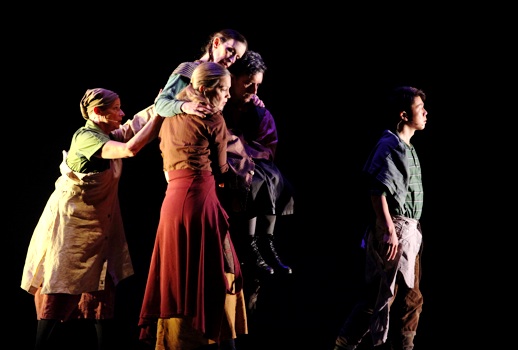
Meredith Monk and her Vocal Ensemble (five singers besides Monk, plus three instrumentalists) are giving a program called On Behalf of Nature through Sunday at BAM’s Harvey Theater.

Teatro Grattacielo is New York’s homegrown organization to rescue Verismo operas from oblivion, one per annum, allowing for the occasional double bill.

Purchase of Manhattan was given its world premiere on Thursday evening at the Marble Collegiate Church on Fifth Avenue.
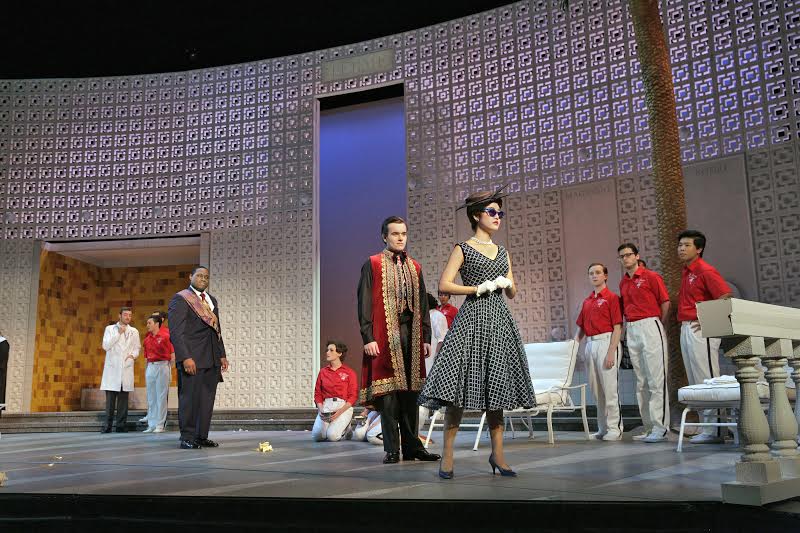
A production as delectable as the current one (through Sunday) at the Juilliard Opera will make you wonder why Il Turco is not as well known as L’Italiana, Il Barbiere, La Cenerentola, even the odd and occasional Il Viaggio a Rheims.
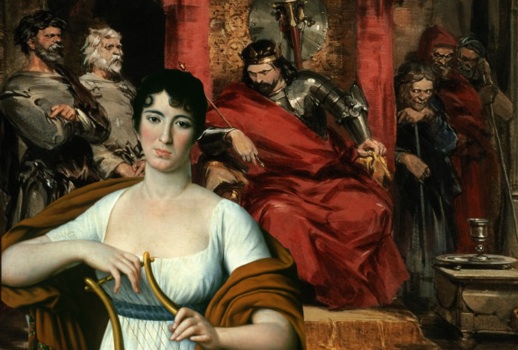
A young friend messaged me to ask if I knew Rossini’s Macbeth.

The days are getting shorter, but you can keep the prattle going this fall’s Talk of the Town! You will, you can, you must join in the discussion about: Great mezzo soprano performances (October),
Gained in translation (November), Teleport me back to… (December).
Exclusive opera reviews, commentary, and top reads
delivered to your email weekly…ish.