John Yohalem
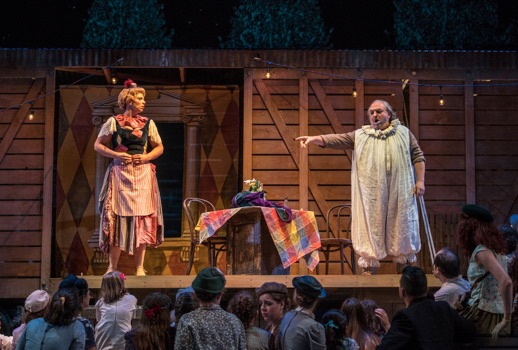
You may wonder what Rachmaninoff’s Aleko and Leoncavallo’s Pagliacci have in common.
“The music’s fun, but doesn’t Rossini repeat himself?”
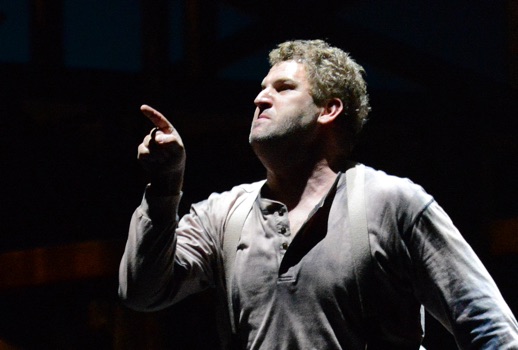
You don’t often hear the grand operas of Benjamin Britten on smaller stages.
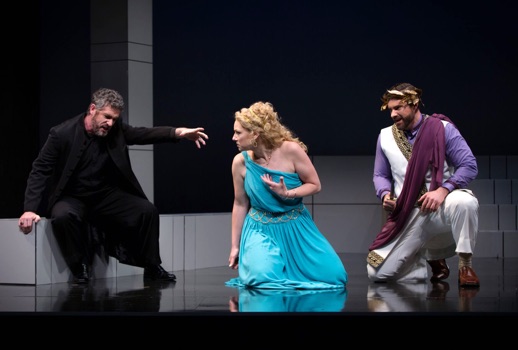
Ezio was an inspired choice for Boston’s feisty Odyssey Opera to open its “When In Rome” festival.
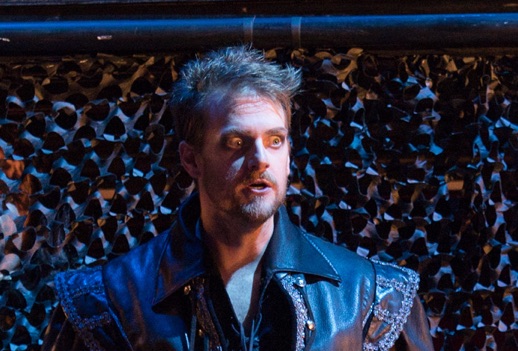
The grand illusion is that we know it all. From four hundred years of opera, we’ve distilled the worthy survivors.
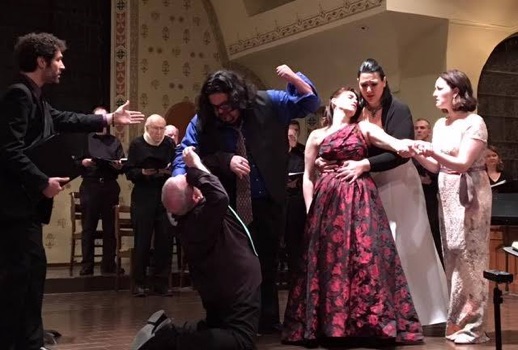
In how many operas does the heroine drink poison and then go lengthily mad?
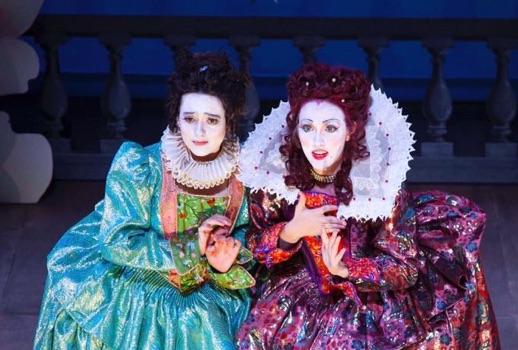
The seventeenth-century works of Francisco Cavalli may be easier for modern audiences to accept.
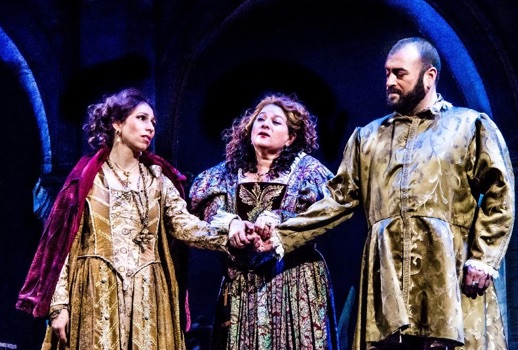
With six leads in Gioconda, you can reliably hope that three or four will be worth listening to, or why would they have revived the opera?
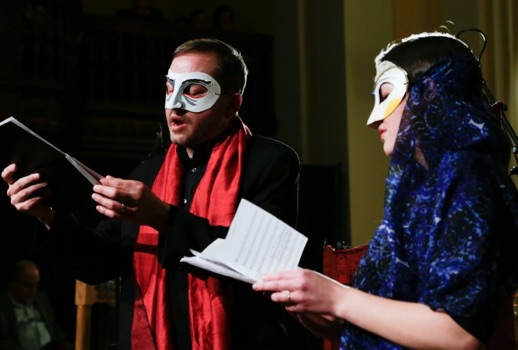
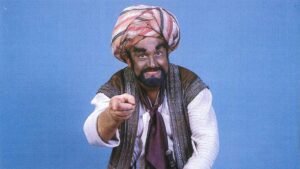
Othello in the Seraglio is the rather unfortunate title bestowed by the ensemble Dünya on its “coffeehouse opera,” ossia The Tragedy of Sümbül the Black Eunuch.
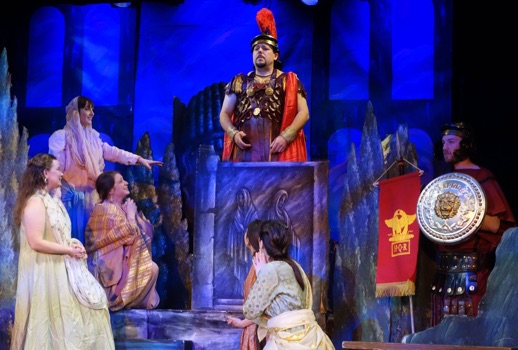
Just when you thought it was safe to return to Rossini and Verdi—blam!
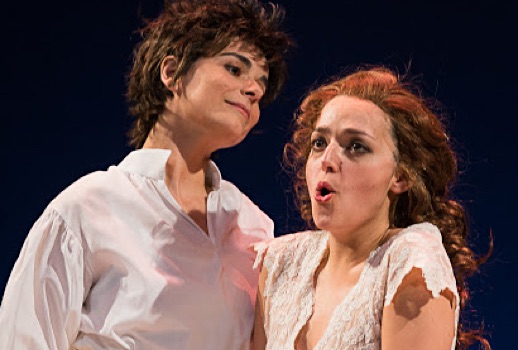
The concert presented by Opera Lafayette at the Alliance Française last Friday and Saturday was devoted to music of witty, short-lived Emmanuel Chabrier, notably Une Éducation Manquée.
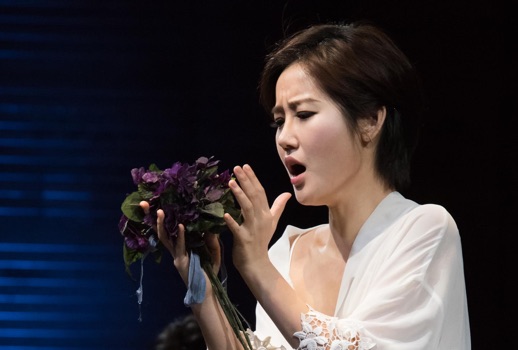
Bellini blossomed over us like a love fest.
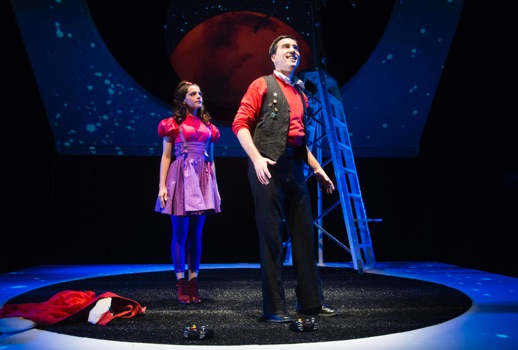
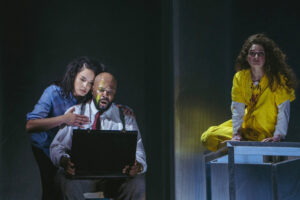
If only—if only half the creativity and spectacle that Encompass New Opera Theatre has lavished on its lively production of The Astronaut’s Tale (at the BAM Fisher through Sunday) had been expended on the pretentious libretto by the late Jack Larsonand the quirky, unappealing score by Charles Fussell…
The name Joseph Rumshinsky might ring a bell (or a shofar).

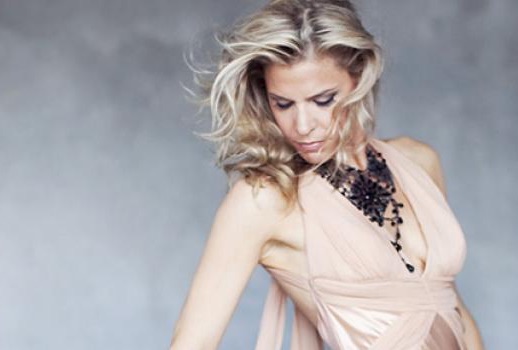
Diana Damrau is a great flirt.
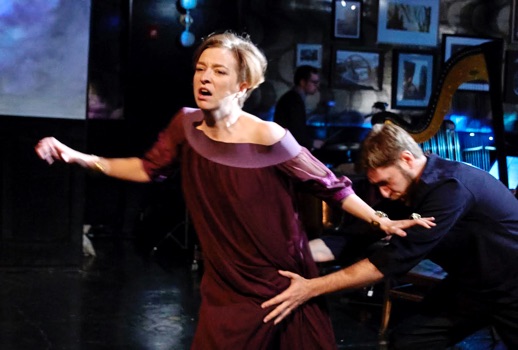
LoftOpera gives performances of exceptional musical and theatrical polish in offbeat corners of Brooklyn.

Bare Opera, the feisty little company that gave Debussy’s exquisite L’Enfant Prodigue in Chelsea last spring, is now operating in chic, rundown Bushwick where so many original enterprises sprout.
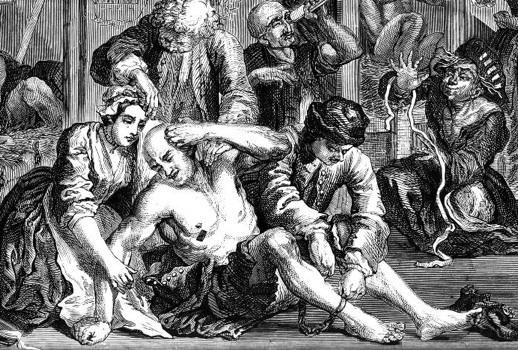
In New York, tradition insists, there are no limits to where a preposterous idea, talent and relentless determination will take you, in defiance of all the odds.
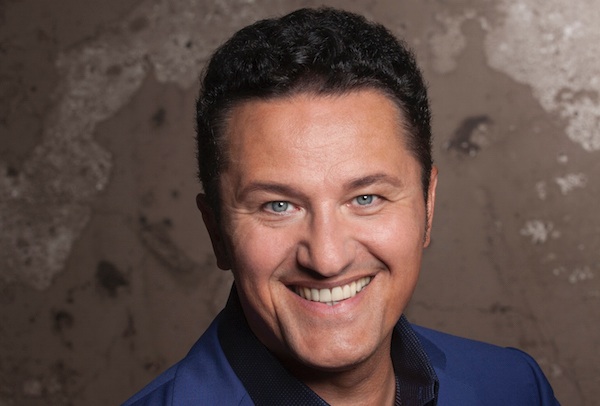
Polish singers are chameleons. They have to be.

New York is different now, and John Zorn has this hangout, The Stone, on Avenue C (you heard me) at Second Street, a performance space the size of a largeish dorm room.
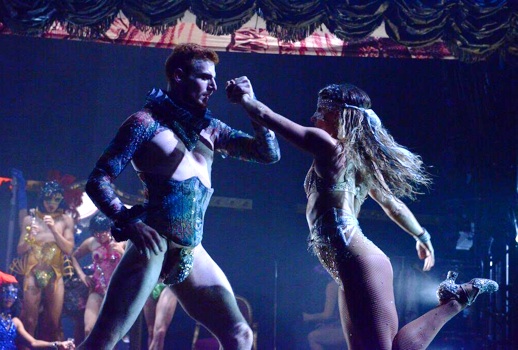
“Operatic” generally refers to sung drama, but there is another meaning of that term: grandiose, outsize, hysterical.
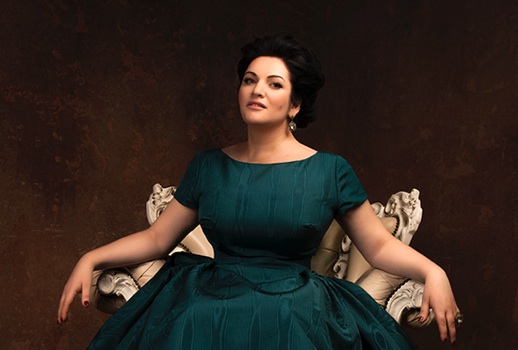
Besides the heavens and a sweater in The Devil Wears Prada, it is the hue of Hibla Gerzmava’s soprano, in contrast to the red or rose or red-orange voices of most sopranos.
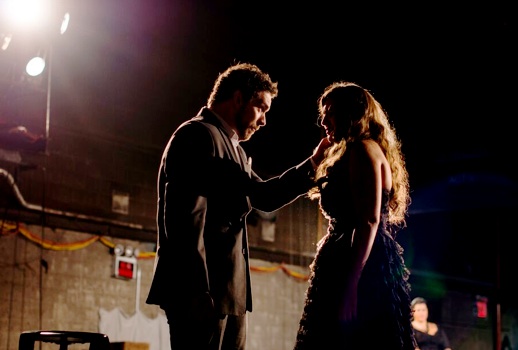
LoftOpera is just one, though perhaps the liveliest, of many homegrown opera troupes in Brooklyn.
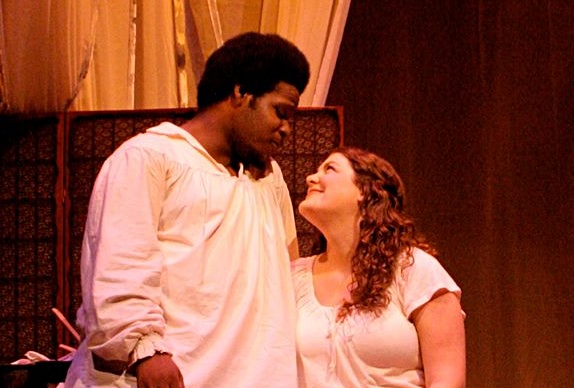
Homer, inspired by many a muse, sang not of sequels to his Iliad.
Tell us: What’s your favorite Verdi performance?
Hasten thee to feed another quarter of conversation for The Talk of the Town!