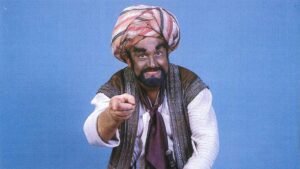
One of the benefits of a long life is the way music can evoke unexpected memories of old friends. Midway through Quinn Kelsey’s beautifully understated performance with pianist Craig Ketter of Copland’s “Long Time Ago” here in DC last month, I suddenly sensed a gentle overlay of baritone William Parker’s voice in the same song accompanied by William Huckably.
There was a lot of buzz surrounding Will Parker when I moved here 46 years ago: he’d won the 1979 Kennedy Center-Rockefeller Foundation Competition and several years earlier had been awarded a special Poulenc Prize at the Paris International Competition. Washington Post senior music critic Paul Hume predicted Will was certain to become “an American Gérard Souzay.” His career launch coincided with the closet door fully opening for American male classical vocalists; the cruel irony is that Will was also an early AIDS casualty, gone in 1993 at 49.
Yet Will’s response to his diagnosis was to show us what music can do both to express pain and provide catharsis: he spearheaded The AIDS Quilt Songbook and personally solicited contributions to its epic trove from many of our finest composers. Bill Huckaby was an insanely gifted pianist, organist and choral conductor who met Will after moving here in 1967 to become pianist for the U.S. Army Chorus, which Will had joined after graduating Princeton. Bill’s unflappable wryness provided ballast for Will’s tendency toward off-the-walls hyperactivity; we lost him at age 51, two years after Will’s passing.
You can easily find them performing Brahms lieder superbly together. Yet it seems appropriate to remember them now in music by a gay American composer whose music endures, and who never grew bitter despite his having been humiliated by HUAC in 1953. And Will’s voice is every bit as plangently beautiful as I’d remembered.