 “Playthings of the Gods: Essential Myths,” the Vertical Player Repertory’s evening of Monteverdi, Britten and Milhaud, heard October 8, was a satisfying treat. The soloists were excellent, although the venue, Christ Church Cobble Hill, had overwhelmingly boomy acoustics and robbed the audience of any nuance in the voices.
The most beautiful singing of the night was in Canticle II: Abraham and Isaac. Alto Hayden DeWitt and tenor Daniel Neer sang Britten’s winding a cappella duet (the voice of the angel, speaking to Abraham) with delicacy and sweetness. Once the scene shifted to a dialogue between Abraham and his son, though, the performance was less even. There were moments of true drama (Abraham holds a HUGE knife inches from Isaac’s neck!), followed by moments of melodrama (Abraham raises knife above his head in kabuki slow-mo!).
Although Neer’s voice was clear and vibrant, he did not have the paternal gravitas one expects in an Abraham; he seemed more like a distraught lover than a man dutifully but sadly following God’s command. DeWitt has an expressive voice and large animated eyes, which seem all the larger on her petite frame. She sang exclusively pants roles, which is a clear fit for her voice and look, but I was curious about how she would play as a girl.
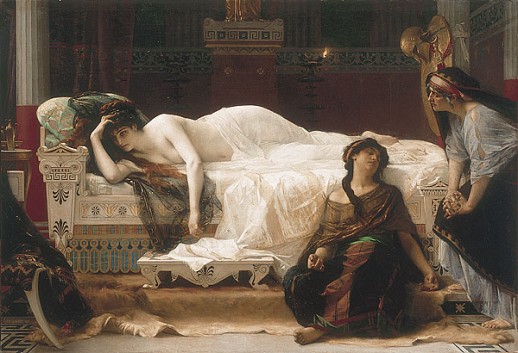
Mezzo Judith Barnes shone in her performance of Britten’s Phaedra, vocally and dramatically present in every moment in the 16-minute scena. The voice was thick and at times gravelly, but moved surprisingly well, and obeyed the singer’s every command.
Other stand-out performers included baritone (and countertenor?) Phillip Cheah, who brought a warm tone and stately presence to Canticle IV: The Journey of the Magi. In the Midsummer Night’s Dream final ensemble, he flipped up a few octaves and did a fine job of Oberon.
Because the venue was so intimate, the performers’ acting skills were brought to the fore. Neer’s acting, along with soprano Melanie Long’s, was more musical theatre in style, which threw off the pacing of many scenes. Long, in the aria “Chers Corinthiens” from Milhaud’s Médée, had clear, resonant high notes and a good-enough middle voice. However, she had trouble holding the stage, and her performance did not belie any dramatic specificity or musical choices beyond, “sing pretty.” At one point she kind of smirked; that was as dramatic as she got.
On the other hand, Barnes was comfortable with the elongated pacing and heightened emotion that opera requires to sustain it dramatically. She was at ease brandishing a giant kitchen knife, smearing greenish slime across her face in despair, and exiting through the audience, her arms outstretched and face distraught. This opera-gaga performance made it all the more obvious when a less experienced opera-actor took the helm. Someone should send a memo to musical theatre folks that they need to let go of TV-inspired, “realistic” acting if they want to give a convincing operatic performance. The pacing and the beats are simply different.
Readings of source texts were interspersed throughout the evening, to limited effect due to the booming acoustics. I was left reading the biographies of the readers, Paul Hecht and Bianca Amato (both had some very impressive credits), wishing I could understand them. (Opera companies take note – churches were built for intoning, for repetitive music built on perfect intervals, not for people speaking, or singing with any significant degree of vibrato. Please consider springing for a more performance-friendly setting next time.)
Boomy church aside, VPR has it together in terms of putting on a great show. The costumes, designed by Deborah Houston, were fabulous – Phaedra wore a huge purple ball gown, Créuse had an bead-encrusted wedding dress, the three wise men had flowing, almost metallic robes. Phaedra and Abraham wielded some of the largest stage weapons I’ve ever seen. And upon entering the sanctuary, the usher encouraged me to stop at the refreshments table – wine, cookies and cheesy biscuits abounded. The frocks and booze gave the evening huge entertainment value beyond just the music.
The chorus sang well and was devoted to its role in each scene. The staging throughout was simple and effective, thanks I suppose to Barnes and DeWitt, who not only perform by are also the co-creators of VPR. The music was enhanced by the use of period instruments, with Kelly Savage on the harpsichord and Motomi Igarashi on the viola da gamba. Music director and pianist Lloyd Paguia Arriola did a fine job of drawing out pure tones and ringing harmonies from the singers.
The church was about half-full, but a sense of community and joy permeated the audience. I would, however, like to publicly chastise the smallish older woman with short gray hair and red jacket who insisted on having the “first clap” at the end of every piece. She ruined each of those pearlescent moments when the last note hangs in the air – and with VPR, there were many.