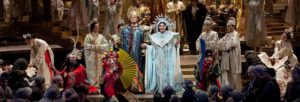
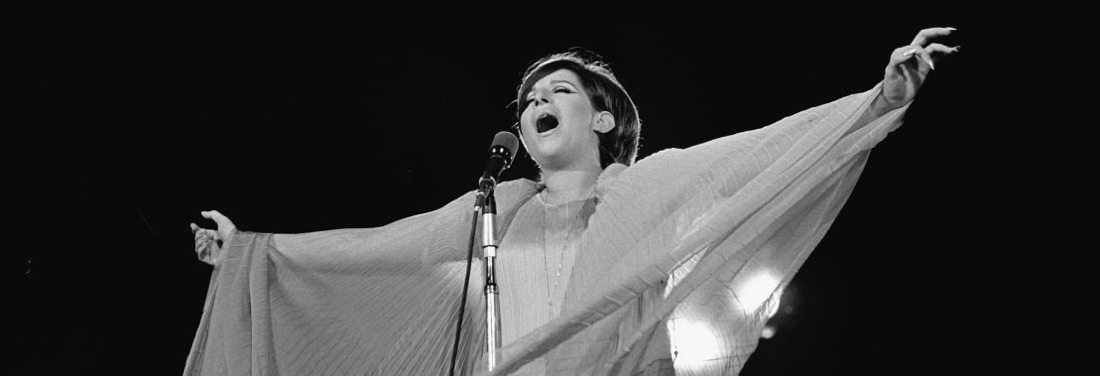

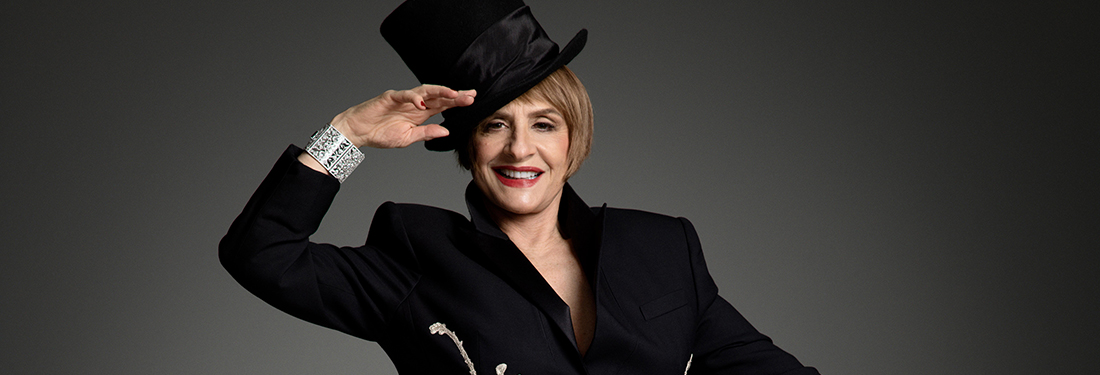
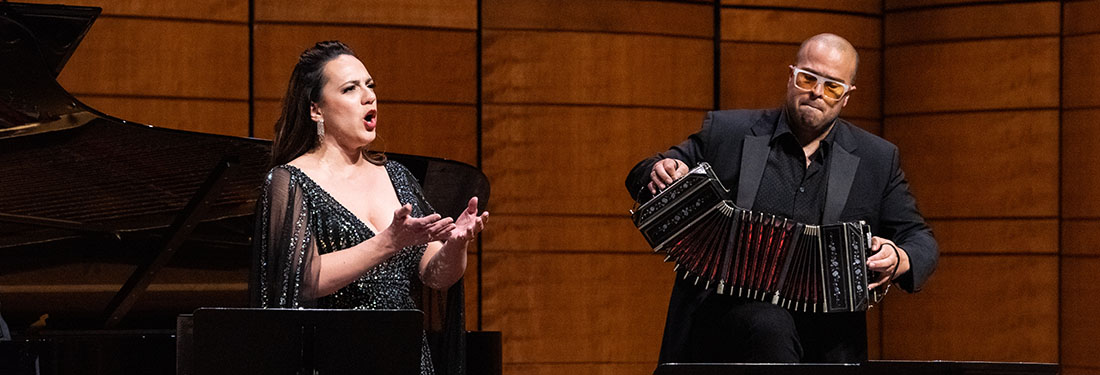
La Rondine, which began as a light Viennese operetta before being transformed into an Italian tearjerker, is not a natural diva vehicle…
By La Cieca
169 comments

“So is opera as vibrant as ever, or is it hanging on by a thread? How to write the history of an art form that hovers, Schrödinger’s catlike, simultaneously alive and dead?”
By La Cieca
“Alden Drops the Ballo: His Milquetoast Take on Verdi’s Classic Fizzles at the Met”
By La Cieca
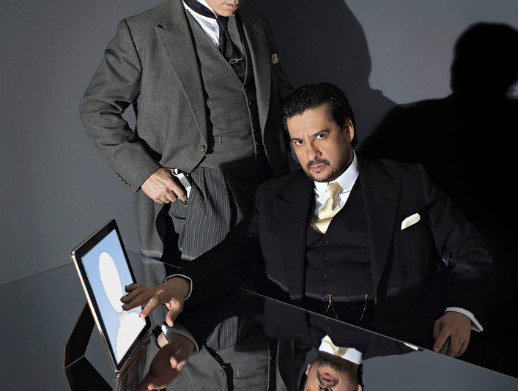

“In the space of a few words, the leading role in a major new production had been reassigned. But why?”
By La Cieca
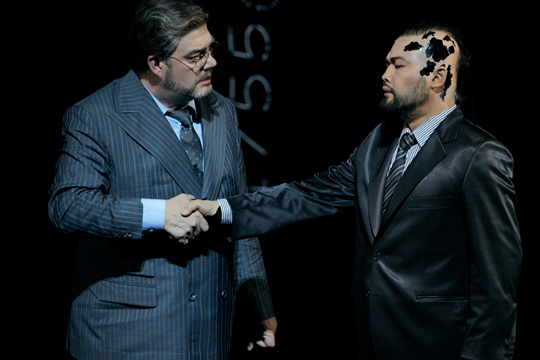
Zachary Woolfe (not pictured) makes his way to Bayreuth to try to unravel the Evgeny Nikitin mystery.
By La Cieca
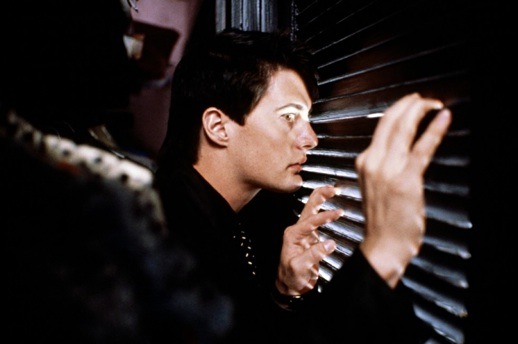
I have a confession to make about Britten’s opera Billy Budd: I don’t like it very much.”
By La Cieca
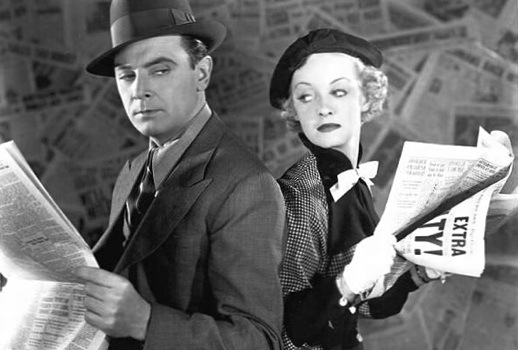
La Cieca (pictured, right) invites you to peruse what’s making headlines today.
By La Cieca
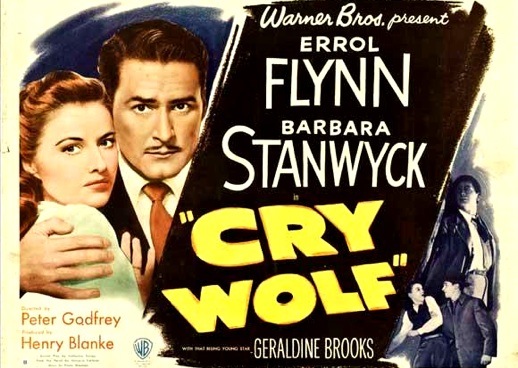
The New York Times sends cub reporter (Get it? Cub reporter! Oh, La Cieca is killing herself with the puns!) Zachary Woolfe to the movie palaces of the heartland.
By La Cieca
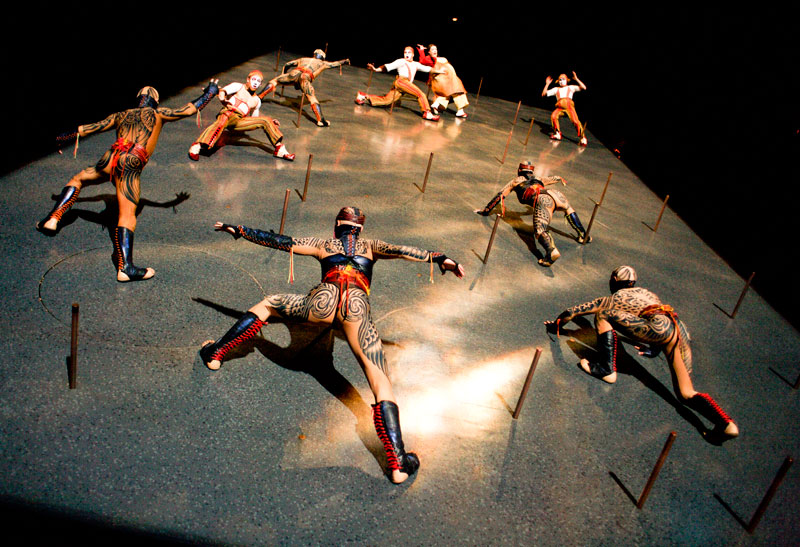
Zachary Woolfe went to Las Vegas and all we got was a thoughtful analysis of why Robert Lepage was never a good fit for the Ring.
By La Cieca
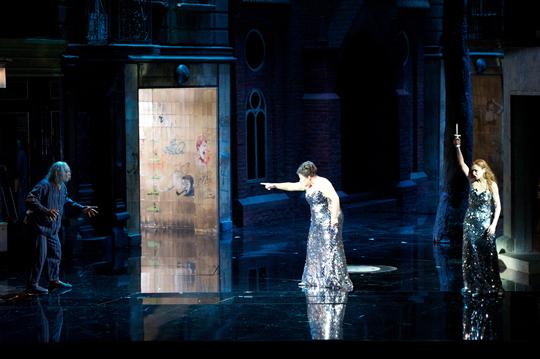
“Though Mr. Herheim’s work is rigorous, it is also fun, and this Rusalka is serious but the opposite of dour.”
By La Cieca

In what surely must count as La Cieca’s idea of a perfect storm, Zachary Woolfe interviews Calixto Bieito in the New York Times.
By La Cieca
La Cieca is always happy (if a little envious) when another critic expresses exactly how she feels about a musical event (such as Jonas Kaufmann‘s recital last Sunday at the Met) because that means she doesn’t have to blather on and on about it. Instead she can simply reply, “Check out what Zachary Woolfe has…
By La Cieca
So, tell me this, what do Anthony Tommasini, Zachary Woolfe and James Jorden (not pictured) have in common? Well, according to John M. Olin Fellow at the Manhattan Institute Heather MacDonald, these three “trendy” critics constitute “a press corps determined to push Met general manager Peter Gelb into conformity with European opera houses, where narcissistic…
By La Cieca
The scribe is Zachary Woolfe and the powderkeg topic du jour is Anna Netrebko‘s mid-scene breaking of character.
By La Cieca
Yes, yes, La Cieca realizes that parterre has gone “All Anna All the Time,” but, hey, she’s opening the Met season in a company premiere, plus we like her. Anyway, La Netrebko is profiled, covered, revealed, reported, what she eats and when and where, whom she knows and where she was and when and where…
By La Cieca
Friend of the Box Zachary Woolfe follows up his provocative NYT article on charisma with an invitation to discuss this elusive quality with his cher public, a group of which La Cieca is sure you parterriani represent a significant subset. Let yourselves be heard!
By La Cieca
The controversy over the demise of Brad Wilber‘s Met Futures site goes mainstream, thanks to (who else?) Zachary Woolfe.
By La Cieca
What better way to celebrate le 14 juilliet than with a provocative piece on opera by and about two of La Cieca’s favorite revolutionaries, Zachary Woolfe and Gerard Mortier (respectively), followed by cries of “Liberté, égalité [and especially] fraternité!” from that madcap maven of musical mirth, Maestro Wenarto (after the jump.)
By La Cieca
“Here, finally, is not merely the music on the Internet, but the music of the Internet…” Zachary Woolfe reacts to Nico Muhly‘s Two Boys in the New York Times.
By La Cieca
Briefly, according to Zachary Woolfe: “No one came.” More elaboration, plus speculation on “What That Means,” in the New York Observer. And for those of you with a taste for hash, the subject is revisited as well in the New York Times.
By La Cieca
“Near the end of Robert Lepage‘s production of Wagner’s Die Walküre, which opened at the Metropolitan Opera on Friday, there is a moment of arresting visual beauty. The raked stage slowly rises and, with the help of projections, turns into a looming, stark, snow-covered mountain. It’s a breathtaking transformation, one that encapsulates everything that’s wrong…
By La Cieca
The Met’s general manager indulges in the sincerest form of flattery by opening today’s New York Times response to his critics with a blind item in the style of a certain low-rent gossipmonger. After you figure out the identity of the “star soprano, [who,] thinking she might have been poisoned, withdrew from the cast,” you…
By La Cieca
“Puppets, of course, can be diverting, but they have no depth. This is fine if your audience has, as Mr. Lepage must hope, childlike emotional demands. But ultimately, for an adult, watching puppets is simply boring after a while, not because they’re not beautifully done, but because they’re not alive. After the initial burst of…
By La Cieca