
Fast and furious
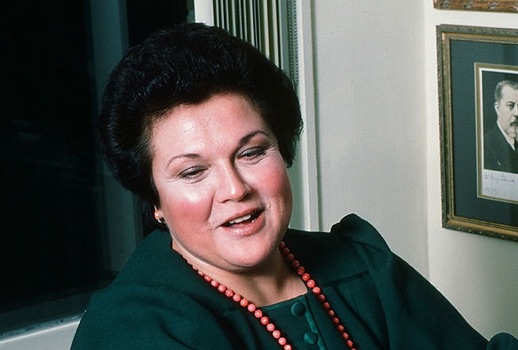
A 1984 performance of Handel’s Orlando with Marilyn Horne, Valerie Masterson, Marvis Martin, Jeffery Gall and Robert Lloyd, conducted by Charles Mackerras.
43 pieces since 2011.
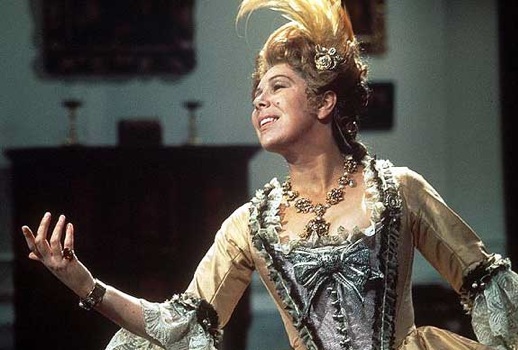
A 1984 performance of Handel’s Orlando with Marilyn Horne, Valerie Masterson, Marvis Martin, Jeffery Gall and Robert Lloyd, conducted by Charles Mackerras.
It never occurred to me that each tape had to be individually dubbed or that others, maybe many, many others, might also be ordering tapes at the same time.

Poor Paisiello. Out of the nearly 100 operas written by this industrious composer just one was generally regarded as a masterpiece.
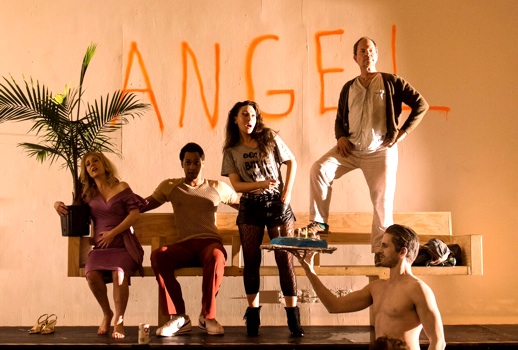
Director R.B. Schlather and his team explored Handel’s Orlando and the results, as seen at Monday night’s final presentation, proved uncommonly stimulating.
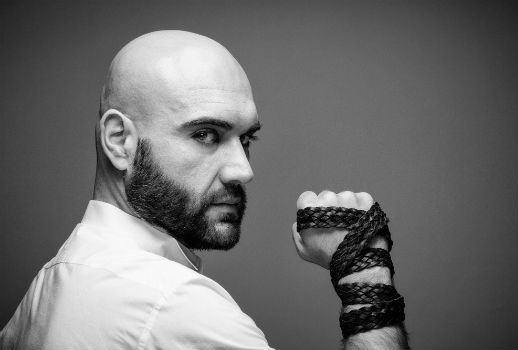
His shaved head in striking contrast to his dark beard and glinting eyes, the implacable Tartar conqueror glowers at us from the CD cover, while the uncropped photo of countertenor Xavier Sabata (above) is even more disturbing, featuring his raised fist and forearm tightly wrapped in a leather belt.
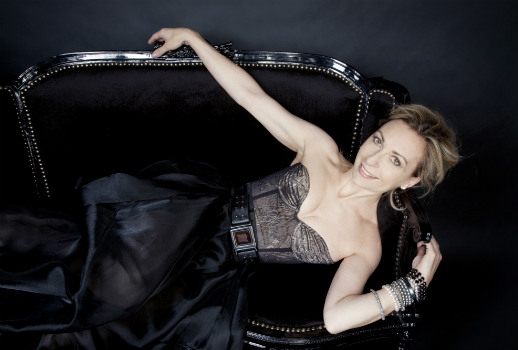
Almost exactly twenty years after her auspicious Metropolitan Opera debut as the Fiakermilli in Arabella and a year following what she has claims was her final appearance on the operatic stage, Natalie Dessay returned Sunday afternoon to Lincoln Center—to sing opera.

Sunday afternoon’s intermittently involving concert performance of Handel’s Alcina at Carnegie Hall starred an unusually intense Joyce DiDonato as a powerful sorceress blinded by her romantic delusions.

Joined by the Choir of Trinity Wall Street, The English Concert concluded the US leg of its current tour at Carnegie Hall Sunday with a complete performance of the darkly moving Theodora, Handel’s penultimate oratorio.

Giulio Cesare at the Met proved an evening that added up to much more than the sum of its uneven parts.
“I’ve lived with mendacity!—Why can’t you live with it? Hell, you got to live with it, there’s nothing else to live with except mendacity, is there?”
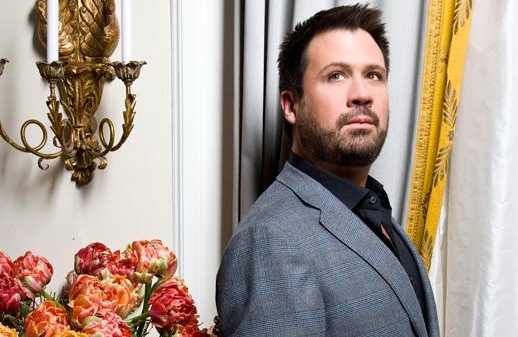
Nearly 30 years after a Handel opera last played there, Carnegie Hall presented The English Concert opening a three-year opera-oratorio project on Sunday afternoon with Radamisto.

That’s what it must have been like in 1726 London when Handel composed Alessandro for perhaps the three most famous (and expensive) singers of the day.
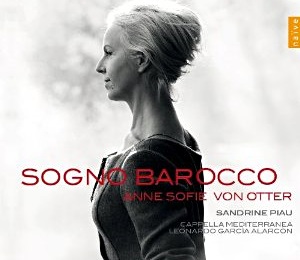
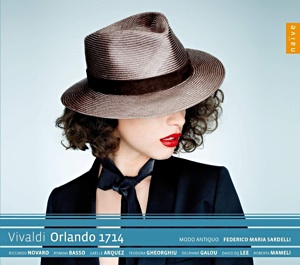
As if last week’s survey wasn’t enough, a few more recent diva-recital disks remain worthy of attention particularly since they arrive from five front-rank singers.
Orlando is the first of three Händel operas based Orlando Furioso, Ariosto’s 15th-century adaptation of the 12-century poem, Chanson de Roland, the other two operas being Alcina and Ariodante. This epic tale of heroism, love, reason and madness also served as the basis for operas by Lully, Vivaldi, Haydn and Scarlatti. In fact, Händel based […]
Joyce DiDonato enjoys the rare cachet of having three studio-recorded operas released in the past three years while other famous divas must be content with “just” DVDs. Although two of Renée Fleming’s Violettas have found their way onto video in less than five years (why??), “the people’s diva” has only recorded one studio opera in […]
Handel’s Orlando is one of three operas Handel based on episodes from Ariosto’s best-selling sixteenth-century epic, Orlando Furioso. The story was, in 1733, well known throughout the Mediterranean world, and everyone set it to music—Vivaldi’s and Haydn’s settings have enjoyed recent revivals, and the libretto Handel set had originally been devised for Domenico Scarlatti. Intricate […]
Despite baby-steps over the years, America’s musical scene, especially opera, remains decidedly un-HIP. (HIP: “historically-informed performance,” also called “period performance.”) While European opera houses turn increasingly to “original instrument” orchestras and specialist singers for seventeenth and eighteenth century works, this rarely occurs in the US.

The days are getting shorter, but you can keep the prattle going this fall’s Talk of the Town! You will, you can, you must join in the discussion about: Great mezzo soprano performances (October),
Gained in translation (November), Teleport me back to… (December).
Exclusive opera reviews, commentary, and top reads
delivered to your email weekly…ish.