
Each in her style a Delilah reborn
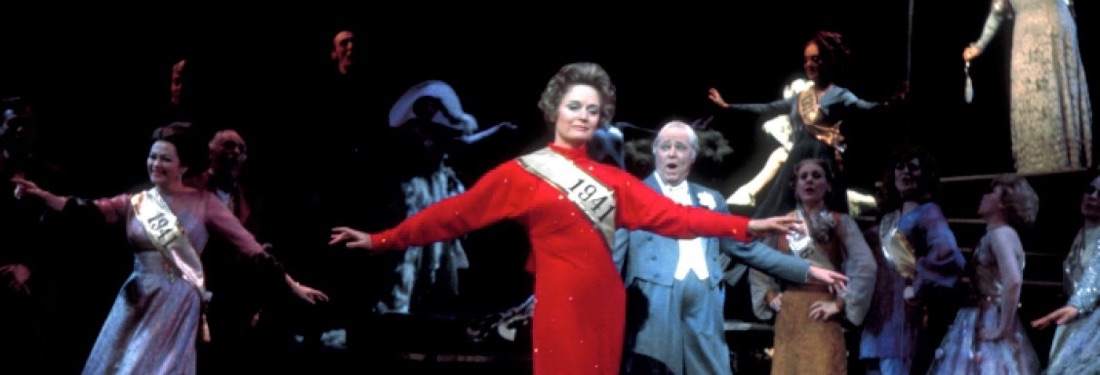
Forty-five years ago today, Stephen Sondheim’s brilliant, frustrating Follies played its first Broadway preview at the Winter Garden Theatre.
91 pieces since 2008.
Forty-five years ago today, Stephen Sondheim’s brilliant, frustrating Follies played its first Broadway preview at the Winter Garden Theatre.

As Phaedra’s tragic, all-consuming passion for her stepson Hippolytus has fascinated artists for centuries, Trove Thursday offers two of its lesser-known musical settings: Pizzetti’s opera Fedra with Régine Crespin and Lorraine Hunt Lieberson performing the cantata Phaedra, Britten’s final vocal work.

The days are getting shorter, but you can keep the prattle going this fall’s Talk of the Town! You will, you can, you must join in the discussion about: Great mezzo soprano performances (October),
Gained in translation (November), Teleport me back to… (December).
Exclusive opera reviews, commentary, and top reads
delivered to your email weekly…ish.