Tree and tree again Tree and tree again

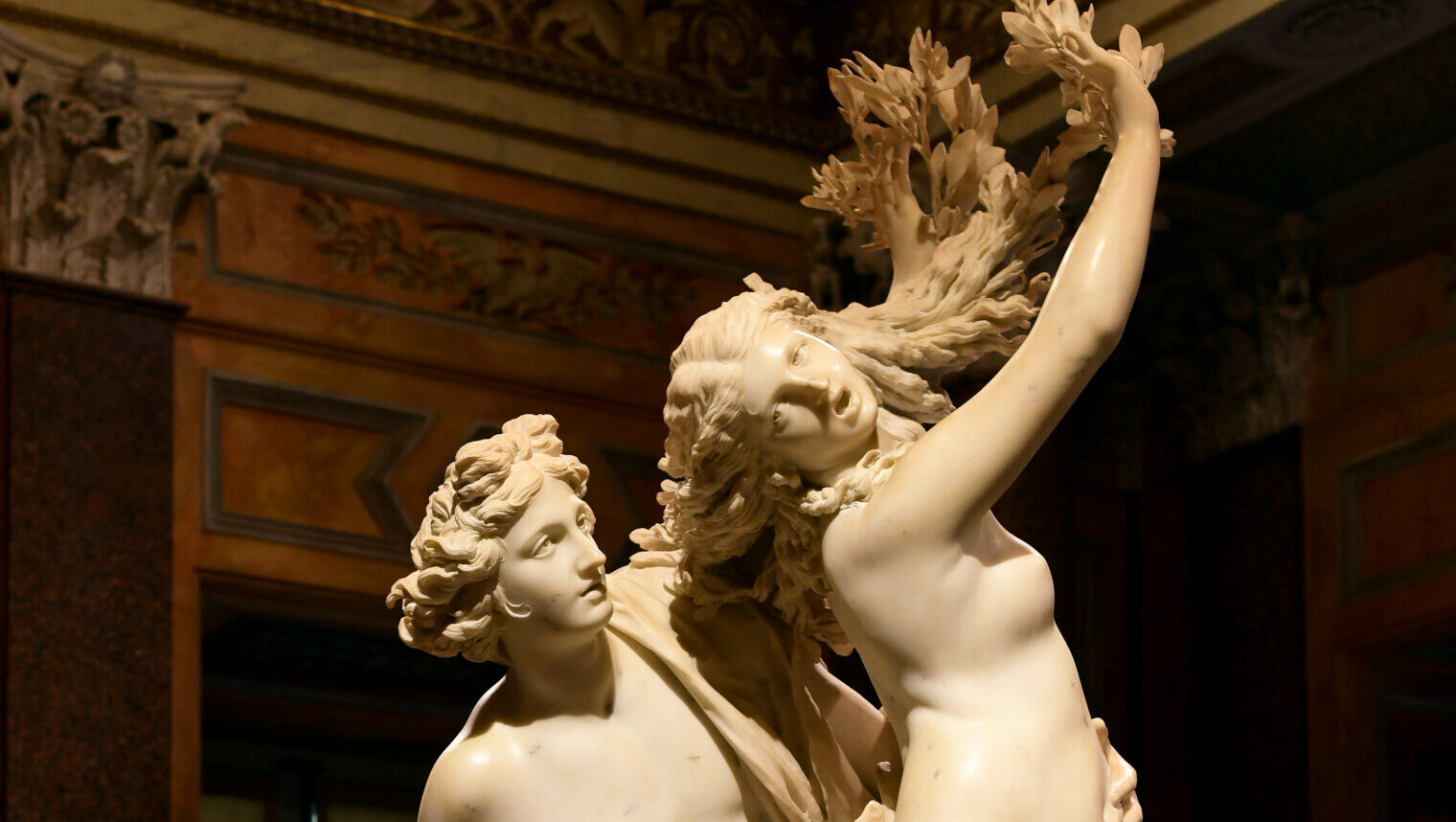
While everyone tries to figure out what on earth Strauss and Hofmannsthal are up to in Die Frau ohne Schatten, now playing at the Met, Chris’s Cache offers a later, simpler, shorter Strauss with three live broadcasts of his “bucolic tragedy” Daphne.

“The most significant dramatic creation since Les Huguenots” “The most significant dramatic creation since Les Huguenots”

Awaiting the return of Parsifal to the Met, “Trove Thursday” hops to the other end of Wagner’s oeuvre with a recent Rienzi der letzte der Tribunen.

Strike up the banned Strike up the banned

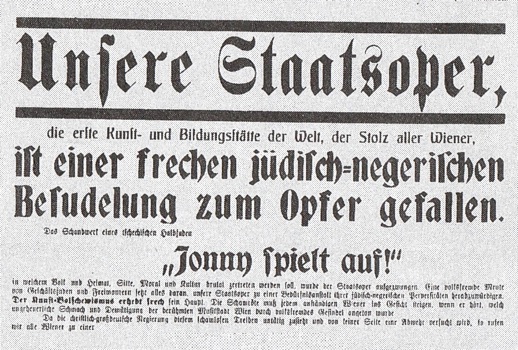
Jonny spielt auf, the second opera by 26-year-old composer Ernest K?enek, was such a huge success after its 1927 Leipzig premiere that in the following season it was performed 491 times in Germany alone. 

Tanks a lot, but no tanks Tanks a lot, but no tanks

The production by Sebastian Baumgarten is the type of regietheater that’s not a rethinking or reconstruction, but just a hot mess.

Bach to Bach Bach to Bach

Three nights, three concert halls, and three incredibly diverse programmes.

Sex please: we’re British Sex please: we’re British

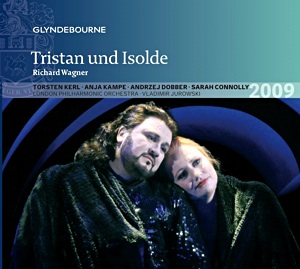
The finer performances of Tristan und Isolde have a way of sounding like a four-hour improvisation, the fruit of a single moment of inspiration that makes one forget how emotionally manipulative and painstakingly crafted the music really is.

Two ladies in the shade… Two ladies in the shade…

The simple fable at the heart of Die Frau ohne Schatten shouldn’t be difficult to parse, but Hugo von Hofmannsthal’s libretto juggles its vaguely Jungian, vaguely Arabian Nights symbolitry as if with intent to mystify and bewilder.
Semi: Colon Semi: Colon

The abrupt withdrawal of Katharina Wagner from an abridged seven-hour Ring cycle she was to direct at the Teatro Colon last year prompted no shortage of scorn and Schadenfreude.

Capitol punishment

When Hans Von Bülow joked that Rienzi was Meyerbeer’s best opera, he was not very far off the mark.  In fact, Rienzi, der Letze der Tribunen, Wagner’s third opera, has all the traits of a typical “grand opéra”: it is divided in five acts, features a historical character or situation, makes large use of the…