

Summer 2026 Opera Travel Guide
The Parterre Box Guide to Aix-en-Provence
A visit to the south of France in the summer isn't complete without some opera. Where to stay, eat, drink, and explore around Aix — your Parterre Box guide to a Provençal opera getaway
 By
Joseph Claro
By
Joseph Claro
What to Know
Aix-en-Provence (or, “Aix”) is a sun-kissed town in the South of France known for its country charm and delectable cuisine. While more inland than its better-known coastal towns, Aix is a gem of the Provence region of southeastern France where life is a little slower, less congested, and, best still, tranquil. Few cars clutter the winding streets within the city and cafes and restaurants open during scattered hours of their choosing. The main thoroughfare in the city, the Cours Mirabeau, is occupied throughout the day and night by smartly dressed locals and well informed tourists.
Aix hosts the renowned Festival d’Aix-en-Provence in the month of July. Known for its innovative productions, world-premiere operas, and exceptional casts, the Festival is second to none in Europe. This comes with some caveats. The big stars of the moment rarely use the Festival as a jumping point for a new role. And the orchestras, while always superlative, lack the name-brand recognition of the Salzburg, the Baden-Baden, or the Lucerne Festival. Traditionally, Aix features younger or on the rise artists, as well as luminaries who rarely visit our shores.
The Venues
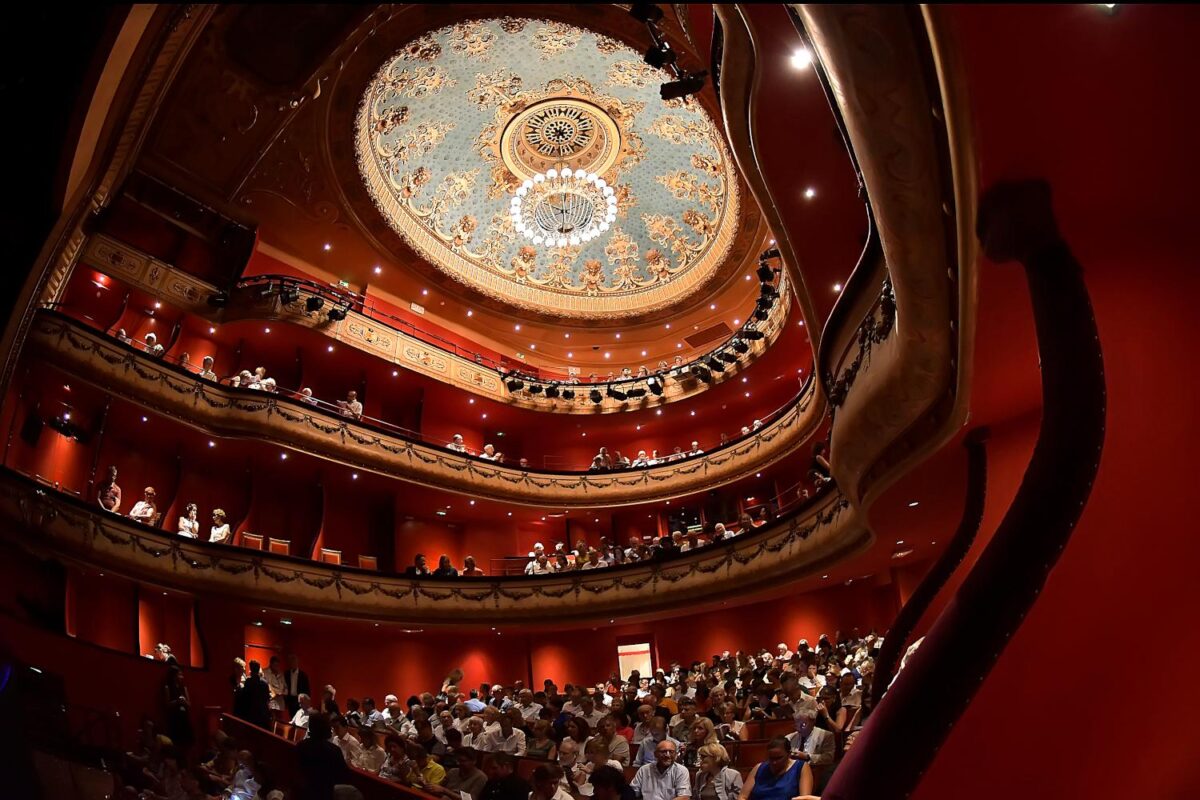
The Festival occupies several theaters. The Théâtre de l’Archevêché, is the principal venue. Located in the courtyard of the former archbishop’s palace, the venue is a gorgeous outdoor theater that provides an imposing backdrop to any production. Nearby is the Grand Théâtre de Provence, known for its exceptional acoustics and a safe haven for rain day perforances. The Jeu de Paumes, a historic jewel box 18th-century Italian-style theater, hosts smaller productions and chamber pieces. Many recital and smaller orchestral pieces can be heard at the courtyard of the Hôtel Maynier d’Oppède throughout the Festival.
Théâtre du Jeu de Paume. Photo, festival website.
Performances
What Aix may lack in marquee names, it excels in producing new and rarely performed operas in innovative productions. Among the more notable productions to have originated from Aix include Kaija Saariaho’s final opera, Innocence; Patrice Chéreau’s final production, Elektra; Simon McBurney’s Zauberflöte; and George Benjamin’s Written on Skin.
During the 2026 season, the Festival will host a new production of Die Frau ohne Schatten directed by Barrie Kosky, a Romeo Castellucci staging of Mozart’s Requiem, as well as a new production of Die Zauberflöte featuring Sabine Devieilhe and Met favorite Ying Fang.
Hôtel Maynier d’Oppède
Where to Stay
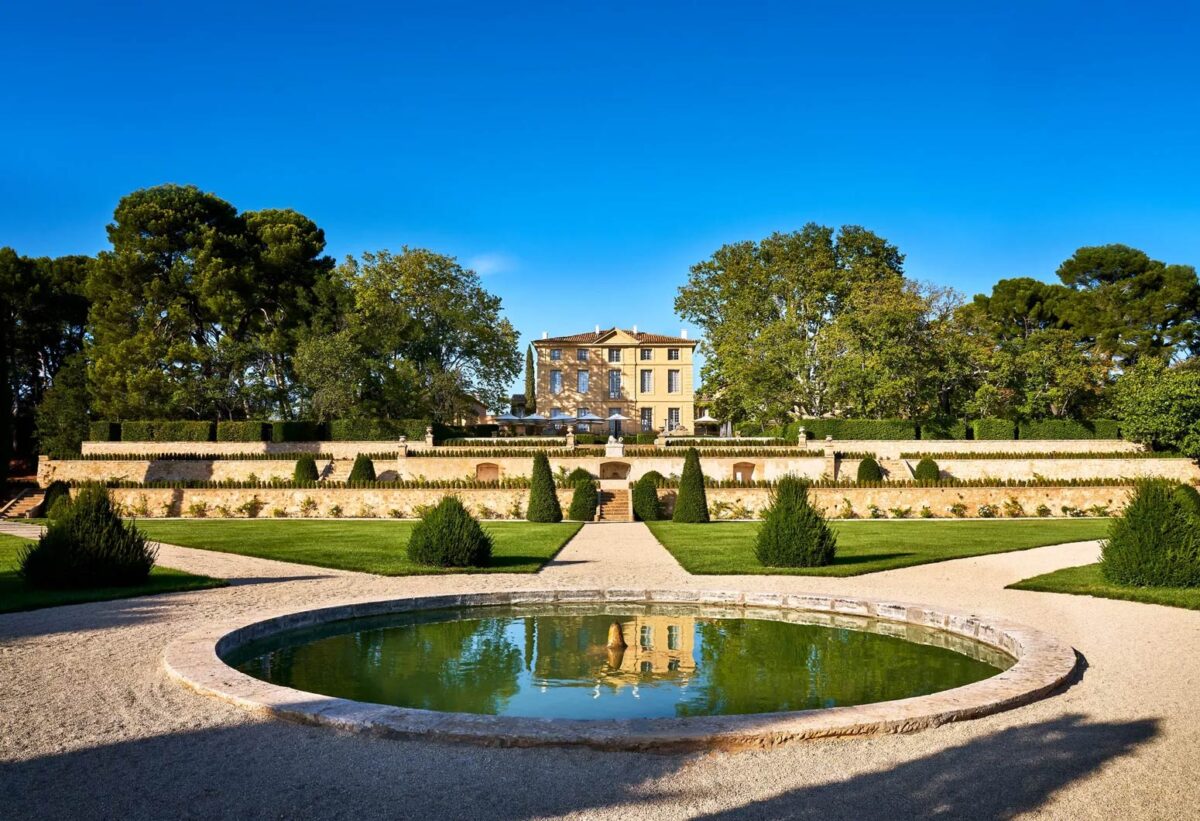
Château de la Gaude. Photo from Relais & Chateaux.
The Festival takes over Aix in the month of July, with the more in-demand hotels locking in availability as early as March following the Festival season announcement. The city offers some of the best luxury hotels in the South of France including the Château de la Gaude, located in the countryside about 20 minutes from center city, and the luxurious Villa Saint-Ange just outside of the city center. Both are accessible to all theaters but do require some additional planning when attending performances. There are also many chain and reasonably priced hotels located in the city center.
July is also prime time for locals to leave town and rent out their flats on Airbnb or other home-share services. As a person who enjoys cooking, I would advise renting a flat in town. The seemingly daily farmers markets, full of fragrant and fruits and vegetables, cheeses, fresh fish and meats, will delight any home cook. This also allows easy return after a lengthy opera, many of which can end near or after midnight.
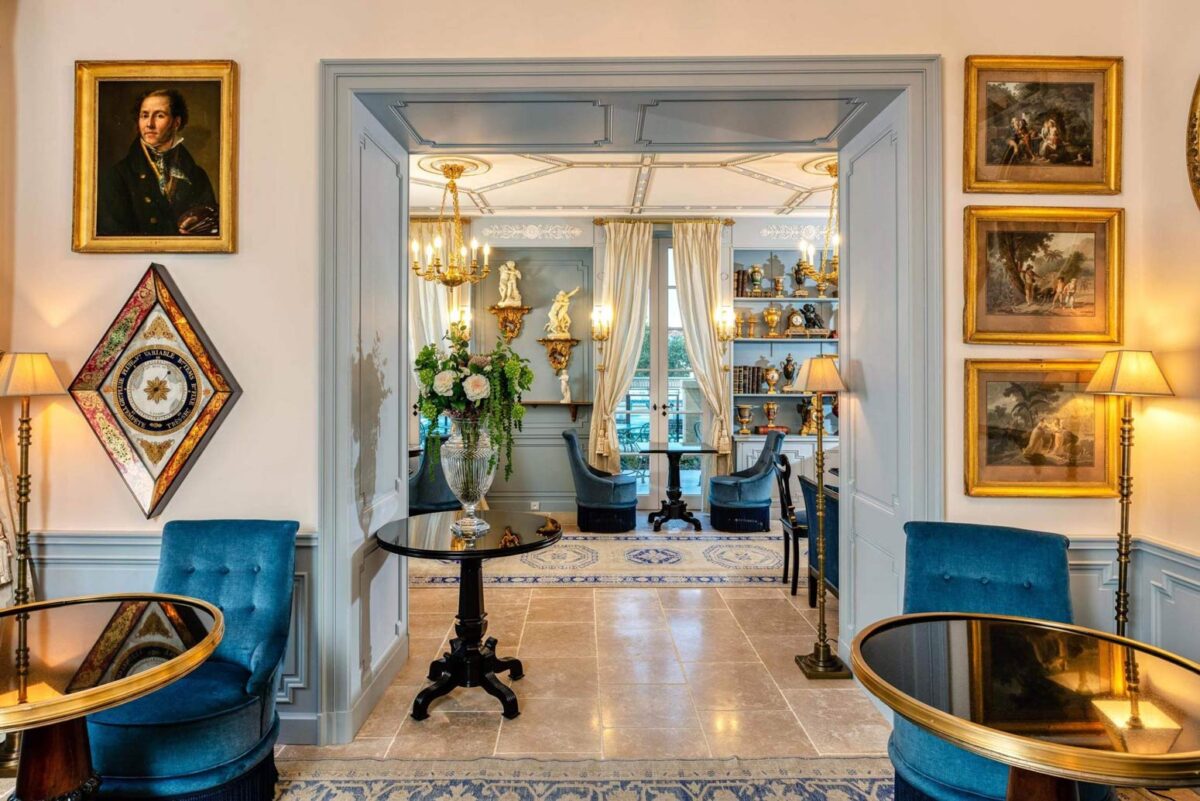
Salon Vilmorin at the Villa Saint-Ange. Photo from hotel website.
Where to Eat & Drink
The Cours Mirabeau is the main street in Aix city center and is full of wonderful and charming cafes and bars. While a tad touristy, Bar Le Grillon, located toward the north end of Cours Mirabeau, and Le Festival, located across from the Fontaine de la Rotonde, lend themselves to great people watching and great wine options. Ever so slightly off the beaten path, I highly recommend the unassuming Les Galinas located at 10 rue Constantin. This Michelin-recommended gem changes its menu daily but expect perfectly executed dishes focused on local product. I will not soon forget my disarmingly simple appetizer of green beans, shallot, and a perfectly executed soft-boiled egg. Simple elegance. Reservations are all but required at this petit restaurant.
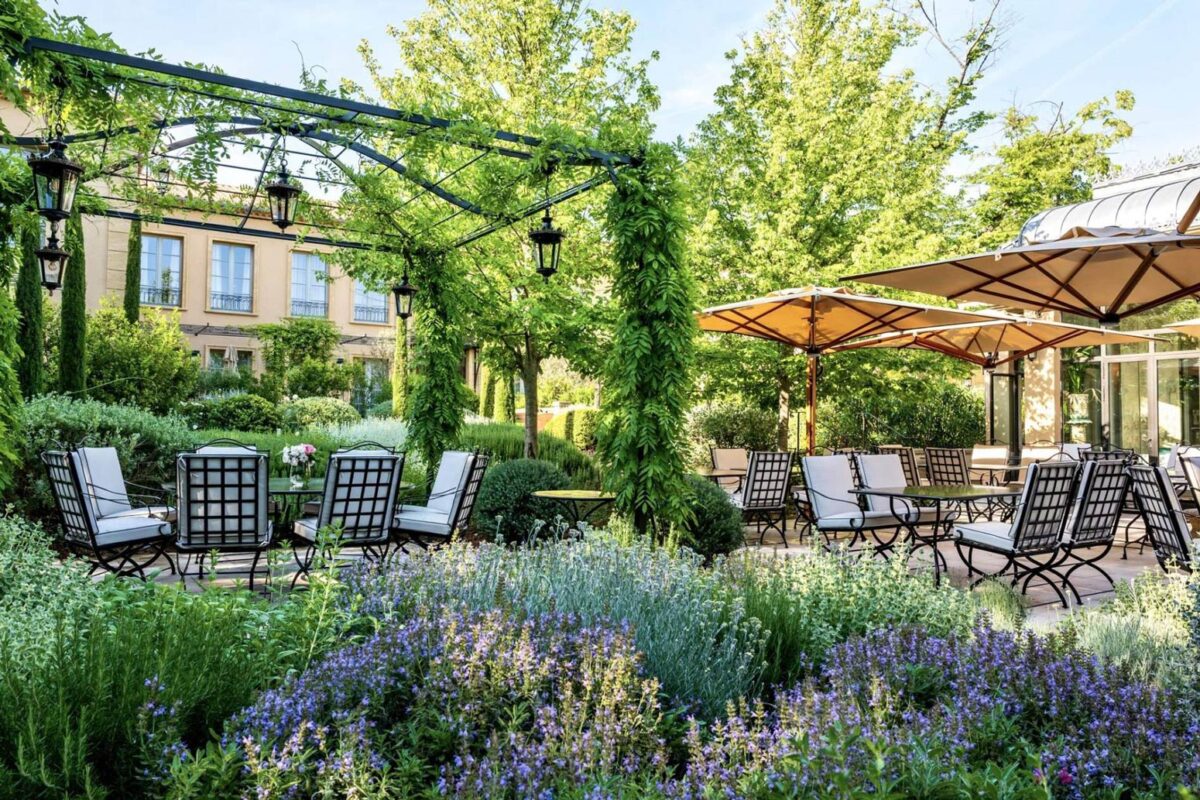
Garden terrace at Âma Terra. Photo from restaurant website.
For a more decadent – read: expensive – dining experience, I highly recommend Âma Terra, located in town at Villa Saint-Ange, as well as Le Art located at Château de la Gaude.
There are numerous cafes throughout the city for a night cap or pre-theater drink. The Fontaine Des Augustins, just off the city center, has several fashionable bars. Do be aware that, despite the late end times of many performances, the city does not have many late night dining options, but various pizza and kebab options are usually available afterhours near the Court Mirabeau.
What to Do
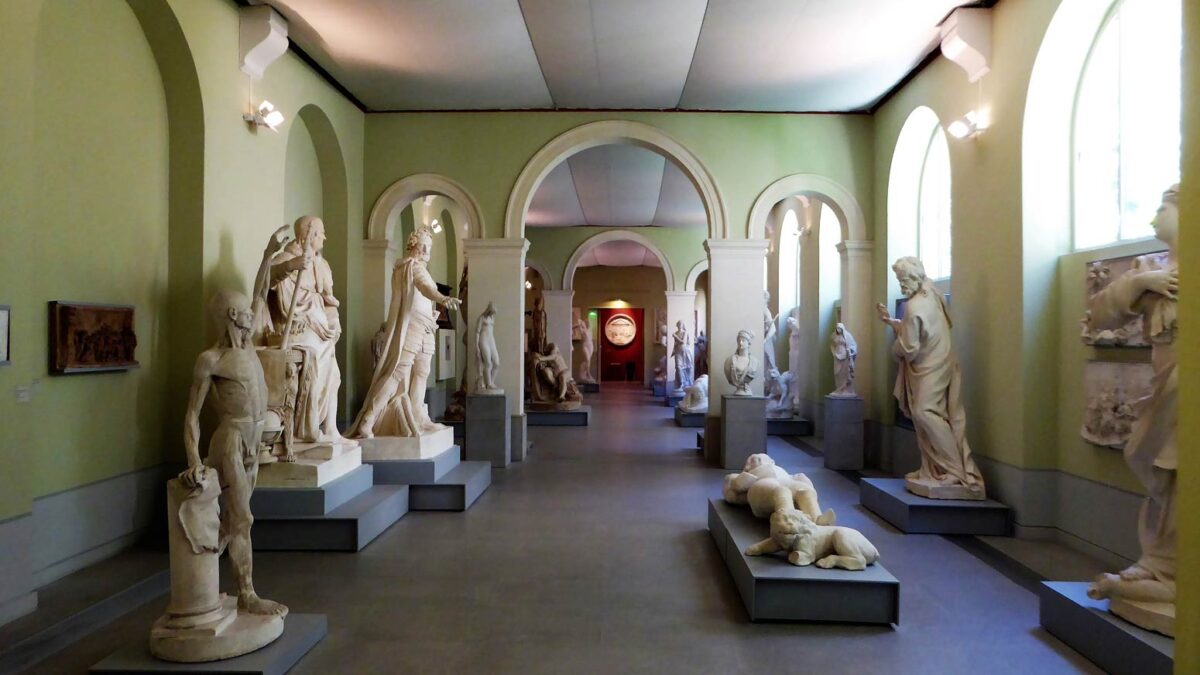
Sculpture gallery at the Musée Granet. Photo Le Passant on Wikimedia Commons
.jpg")
Unlike most opera festivals, performances tend to be evening only, beginning around 8 or 9PM. This timing lends itself to great daytrips and city tourism. Aix’s winding streets, museums, and shops can easily be covered in a long afternoon. The art lover will certainly know that Aix was a fertile ground for Cézanne and many of his works can be found at the Musée Granet located in center city. Once you’ve navigated the city, I encourage a venture outside of Aix.
No visit to Aix would be complete without a visit to the lavender fields. While driving is certainly an option, I would recommend one of the many tours offered through Viator or the tour companies located near the Fontaine de la Rotonde. For the wine connoisseur, nothing quite beats a glass of rosé from a local purveyor. Half- and full-day tours are available.
Aix is conveniently located within a train or car-ride distance from Cannes, Nice, Saint-Tropez (about 2 hours by car) as well as Orange and Avignon (about 1 hour). A perfect day trip can be found in the charming nearby town of Cassis. While easily accessible by car, tours are offered just off of the Cours Mirabeau near the Fontaine de la Rotonde that provide transport and a tour of the city as well as local vineyards. When in Cassis, a boat ride to view the Les Calanques (Calanques National Park) is a must: stunning limestone cliffs that dive deep into the turquoise Mediterranean Sea. The harbor offers great fresh seafood dining along Quai Jean Jacques Barthélémy.
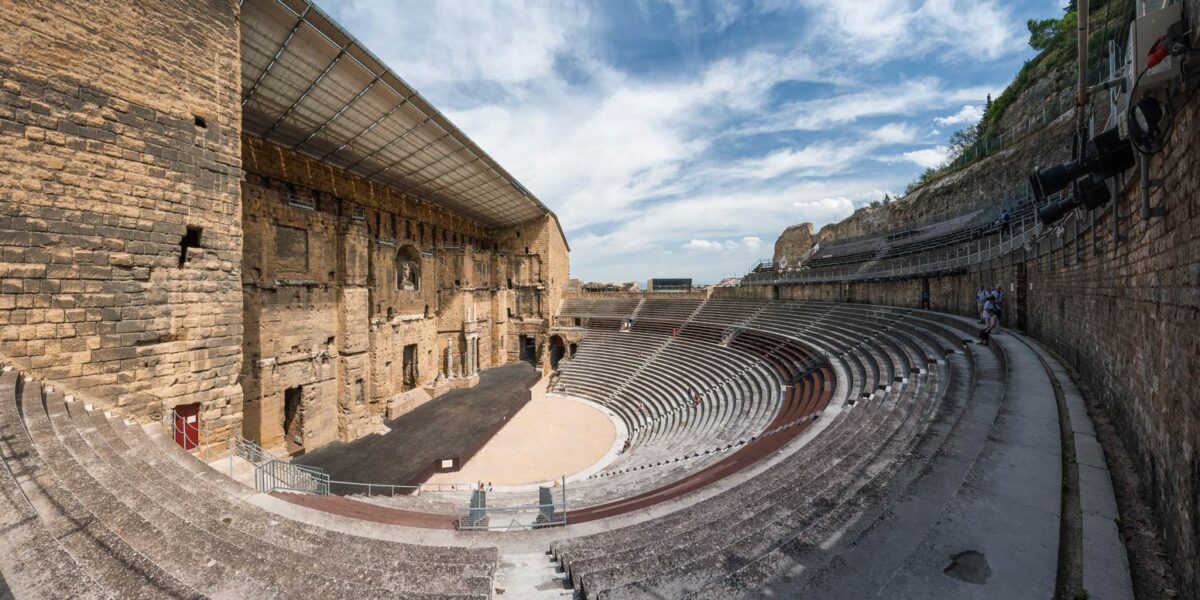
The Theatre at Orange. Photo by Benh LIEU SONG on Wikimedia Commons

Lavender Fields