

Headshot of La Cieca

Cher Public

  • Camille: Clita–I am listening since beginning of B.’s awakening but can’t get into chatroom or I... 3:17 PM
  • Camille: I never said that, Ma’am! Bananas are an excellent, convenient, and natural source of potassium, so... 3:12 PM
  • WindyCityOperaman: Born on this day in 1938 soprano Elizabeth Harwood httpv://www.youtub e.com/watch?v=BW48 hfg8PJ8 2:50 PM
  • louannd: Thank you La C for posting the link to Mr. Madison’s blog. A new discovery for me, and another... 2:38 PM
  • willym: well I just talked to the spouse – we looked at the programme again and decided this was a not to be... 2:18 PM
  • oedipe: Willym, I don’t know, but I am willing to give Ceci the benefit of the doubt. At any rate, this is a... 2:06 PM
  • Bill: Willym – the critics say 5 hours – apparently Bartoli sang all 8 of Cleopatra’s arias and... 1:55 PM
  • willym: oedipe couldnt find a reply for your post – but yes the theme and the choice is interesting. As much... 1:47 PM

Silvery Moon

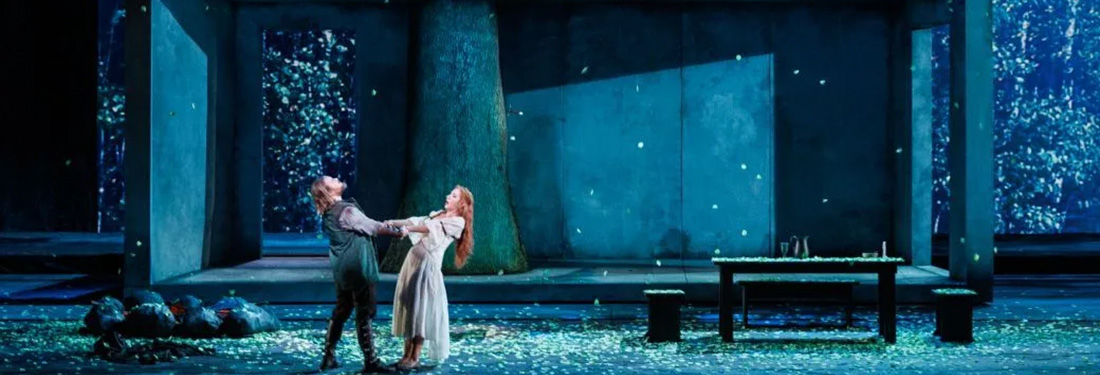
German soprano Evelyn Herlitzius in "Tristan und Isolde" in Seville, 2009

The Berlin Philharmonic brought a spooky Halloween treat to New York on Thursday night, just a few days late. They are at Carnegie Hall for a three-night residency, offering the complete Brahms symphonies along with selected earlier works by that ugly duckling of Brahms disciples, Arnold Schoenberg. They are also far from home during Berlin’s anniversary celebrations of the fall of the Berlin Wall in 1989, having taken a prominent role in the celebration twenty years ago. And it was an American – one Leonard Bernstein – who conducted Beethoven’s Ninth at the Wall, famously supplanting the word Freiheit for the word Freude in its finale. For most of last night, it would seem these remembrances were far from their minds.  Read more »

Anticipation

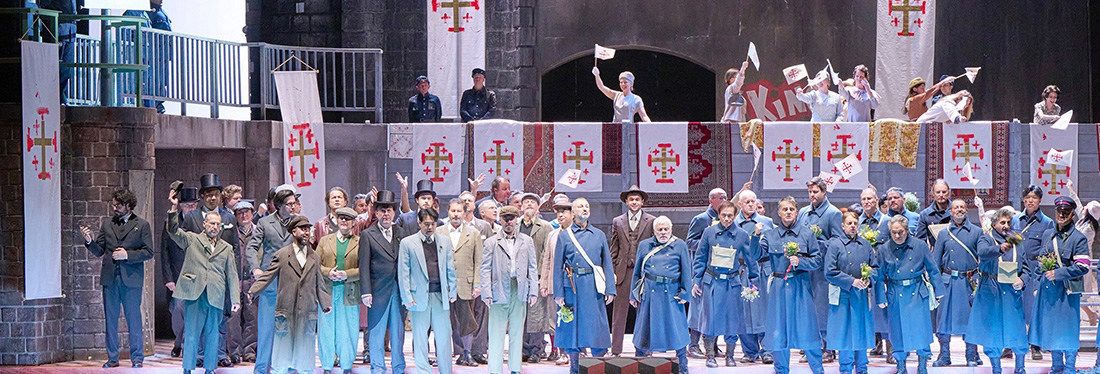
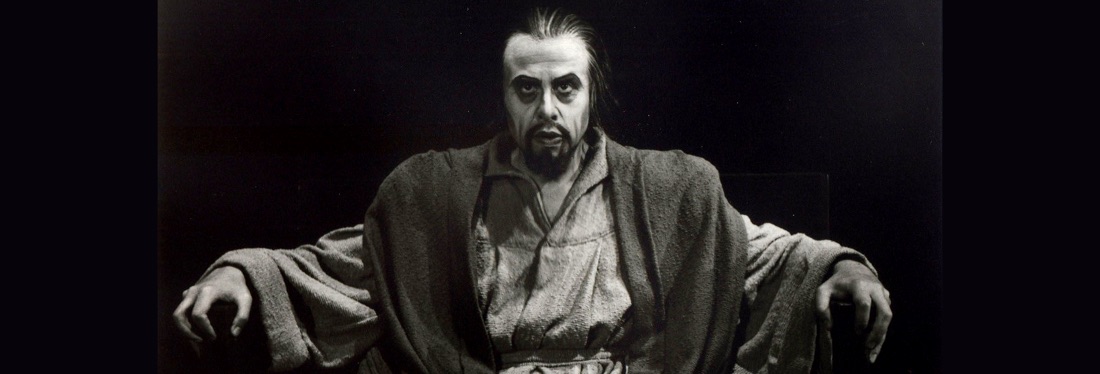
The premiere of Hugo Weisgall’s 1993 Esther at New York City Opera occupied my mind for several days – though maybe not for the best reasons.  As I wrote earlier, it is a work that emanates, belatedly, from what might be called The Twelve-Tone Industrial Complex, that uptown conservatory lobby of the 1950s and 60s, which was based on a widely-held notion that Tonality Is Dead.  Read more »