

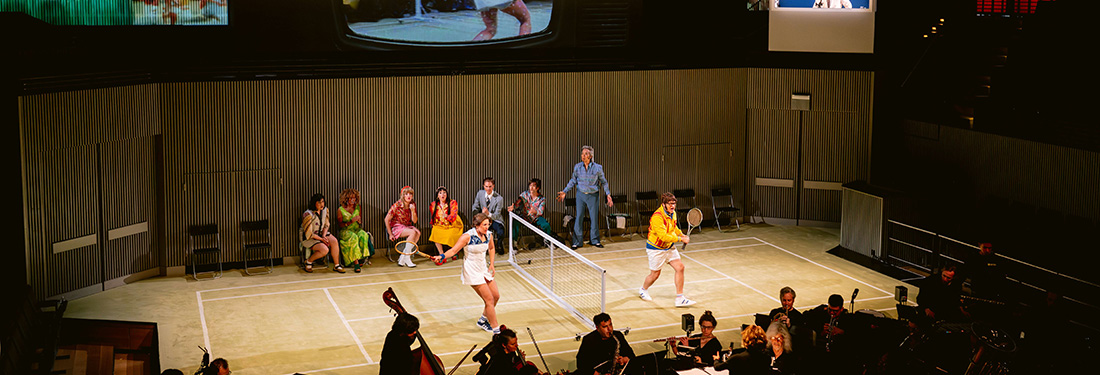
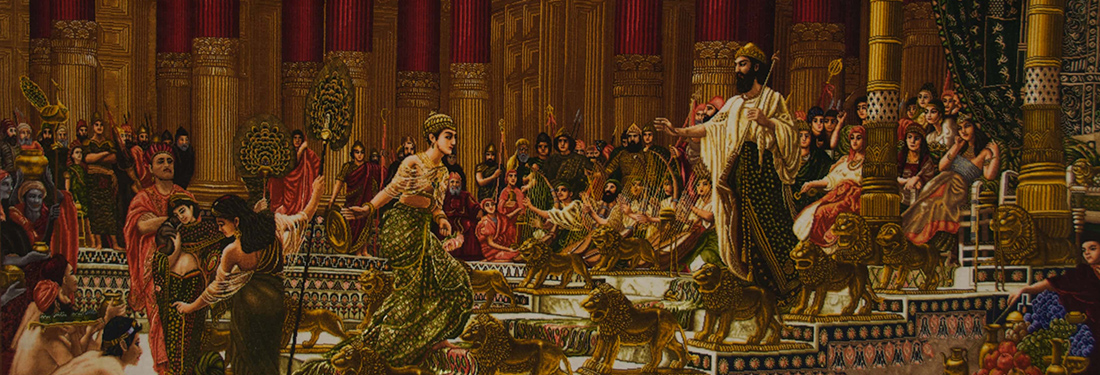
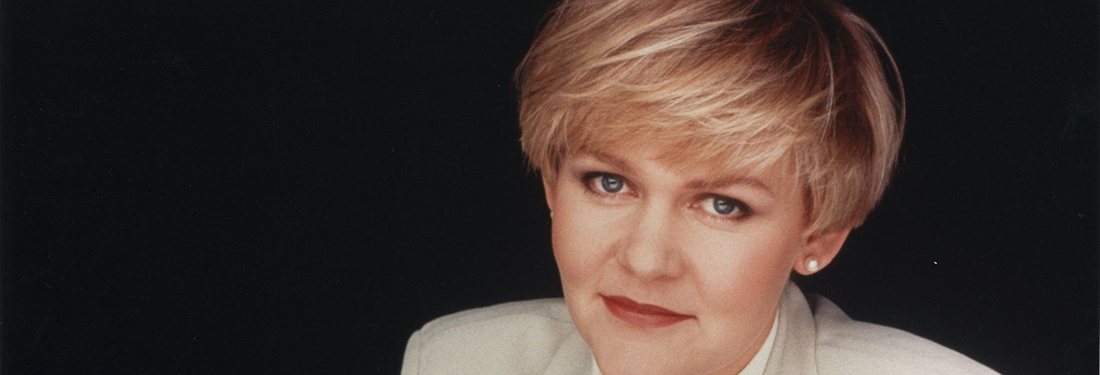

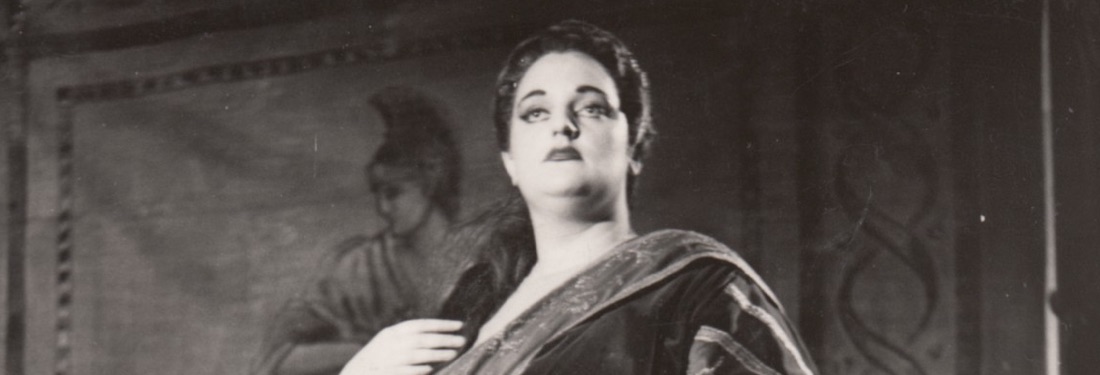

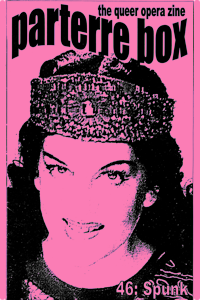

In issue #46 of parterre box the queer opera zine (“Spunk”), you will find an endorsement by the legendary Astrid Varnay.
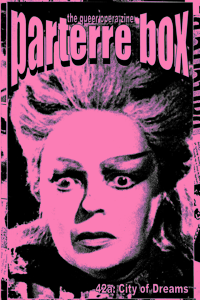
With issue #42a, “City of Dreams,” parterre box the queer opera zine returns at least temporarily to a rational numbering system.
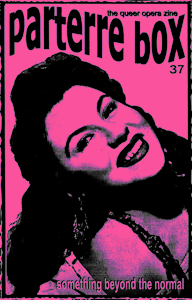
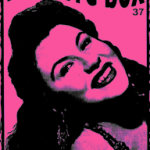
The celebrated “lost” issue of parterre box, the queer opera zine (now found, thanks to the avid cataloging of Indiana Loiterer III.)

Frustrated, perhaps, by the bulky requirements and dubious future of grand opera—and grand opera commissions—Benjamin Britten created some of his most intriguing and, nowadays, popular pieces for small casts and chamber orchestra.
Leona Mitchell, the MET Opera’s leading Verdi soprano for 18 seasons, is returning to the stage April 19th in New York City. Get Tickets →

About parterre box Advertising
Copyright © 2024 parterre box. All rights reserved.
Registration or use of this site constitutes acceptance of our Privacy Policy.