Latest News
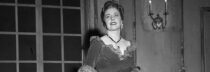
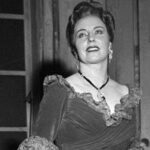
Born on this day in 1910 soprano Magda Olivero

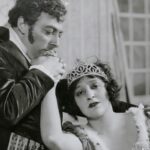
On this day in 1920 the first performance of Tchaikovsky‘s Eugene Onegin at the Met
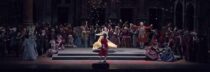

Yannick Nézet-Séguin leads Nadine Sierra, Benjamin Bernheim, Samantha Hankey, Frederick Ballentine, and Will Liverman in a broadcast from New York
parterre in your box?
Get our free weekly newsletter delivered to your email.




On this day in 1977 soprano Ileana Cotrubas made her Metropolitan Opera debut as Mimì
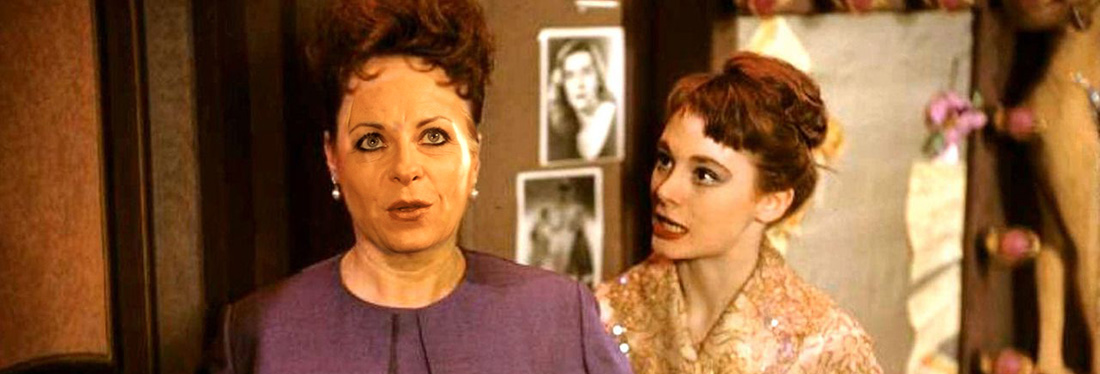
Natalie Dessay debuts as Madam Rose in Paris in 2025
Featured
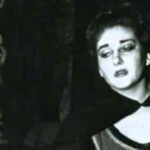
Maria Callas’s official debut in opera was as La Gioconda in 1947 at the arena in Verona.


Birthday Celebrations of Musical Theater composers:
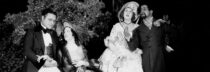
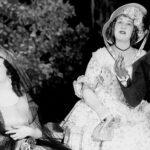
Next week Puccini’s La Rondine returns to the Met for the first time in eleven years, so Chris’s Cache offers three quite diverse sopranos as Magda: Ljuba Welitsch, Virginia Zeani, and Cristina Gallardo-Domâs.

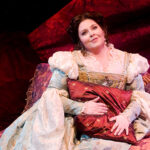
On this day in 2008 soprano Angela Meade made her Metropolitan Opera debut as Elvira in Ernani
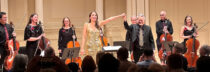
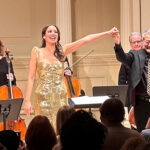
The past seems to be in conversation with the present.
Most Popular



Not in my wildest dreams could I have come up with anything more homosexual than the sight of Almodóvar muse Rossy de Palma in a stage-length wedding gown onstage Madrid’s Teatro Real.
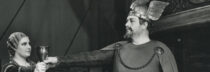

Born on this day in 1890 tenors Lauritz Melchior…
Riccardo Minassi conducts Angela Meade, Mattia Olivieri, Carmela Remigio, and Francesco Demuro in a live performance from Genoa
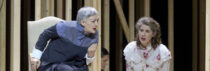
A May 2023 performance of Poulenc‘s opera from Vienna featuring Nicole Car, Michaela Schuster, Maria Motolygina, Eve-Maud Hubeaux, and Maria Nazarova conducted by Bertrand de Billy


The tragic speaker of Schubert’s Winterreise makes his fateful journey but once, yet some singers cannot help trodding the path again and again.