Bess, is you our woman now?
POSTED at
6:39 PM
23 Comments



Labels: chicago, florez, met, the subtle art of euphemism
POSTED at
8:00 AM
59 Comments
 The Met officially announced today that the company will stage Anna Bolena for Anna Netrebko for the opening night of the 2011-2012 season (old news to you, cher public!) and, the following season, Maria Stuarda for Joyce DiDonato.
POSTED at
10:05 PM
76 Comments
Labels: blog, giordani, maury d'annato, met
POSTED at
8:31 AM
19 Comments
POSTED at
12:45 AM
43 Comments
POSTED at
6:28 PM
26 Comments
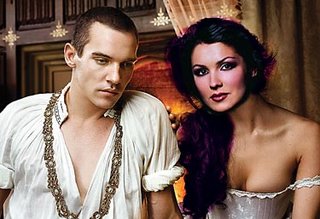 La Cieca is loath to scoop dear Bradley Wilber, but rumors are swirling once again about future seasons at the Met. Perhaps the most controversial (among the cher public, at least) of these plans is a new production of Anna Bolena to open the 2011 season, with Anna Netrebko's pretty head on the chopping block. Further casting at this point is not set, though La Cieca is confident that speculation will run rife in the comments section.
Labels: 2010, 2011, domingo, guest critic, la cieca ci guarda la cieca ci vede, met, netrebko
POSTED at
4:19 PM
91 Comments
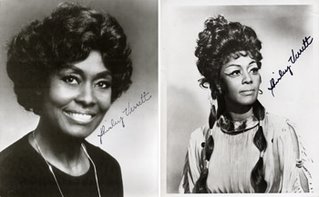 La Cieca hears that the one and only Miss Shirley Verrett will grace the airwaves this afternoon as an intermission guest during the broadcast of Macbeth.
POSTED at
12:54 PM
81 Comments
 Željko Lučic will sing Macbeth for the Met's broadcast and HD simulcast of the Verdi opera tomorrow afternoon, replacing Lado Ataneli, who is "indisposed."
Labels: broadcast, la cieca ci guarda la cieca ci vede, met, sirius, telecast
POSTED at
4:35 PM
37 Comments
Labels: la cieca ci guarda la cieca ci vede, met
POSTED at
4:12 PM
13 Comments
POSTED at
12:39 PM
39 Comments
POSTED at
2:43 PM
18 Comments
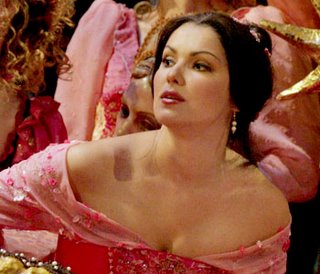 La Cieca should remind herself that much of this accidie springs from opera-l, which most of the time is a valuable resource and all that, but it does seem to be a haven for every tongue-clucking old maid still hunched over her Philco every Saturday afternoon during the broadcast season. (Some of them predate Texaco, La Cieca thinks.) Anyway, the consensus over at opera-l is that Netrebko is kaput, over, finished -- that is, assuming she was ever anything to start with. The Roméo et Juliette has been called "failure" and even (yes!) "debacle." Admittedly , La Cieca occasionally amuses herself by throwing those terms (including the "d" word) around indiscriminately, but she has the defense that nobody with half a brain takes her babbling seriously anyway. On the other hand, La Cieca has her doubts that everybody over at opera-l shares her sense of light-hearted irony in these things.
Labels: alagna, domingo, met, netrebko, rant, scandale, sirius
POSTED at
11:00 PM
48 Comments

"At High School of Enterprise, Business and Technology on Grand Street Campus in Brooklyn, the show is sold out at nearly 1000 tickets. The school didn’t spare any effort in terms of marketing: there’s a huge color banner for 'Live in HD' on the side of the building, facing Bushwick Avenue, with a picture of Anna Netrebko, who is singing Juliette, standing 20 feet tall. The school kids also put up posters in local eating establishments, including Grand Street Grill, their local bodega, and The Great Wall Chinese restaurant."
From metopera.org.
Labels: met, netrebko, peter gelb is a fucking genius, telecast
POSTED at
4:57 PM
15 Comments
POSTED at
6:14 PM
30 Comments
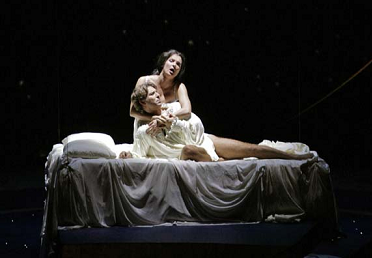 The Met announced this morning yet another media partnership, this one with iN DEMAND Networks "to offer all eight new performances from the Met's second season of Metropolitan Opera: Live in High Definition to on-demand subscribers in the United States in both standard and high definition formats." The basic idea is that the video from the Met's live movie theater simulcasts will be offered on a pay-per-view basis within a month after the original performance date. The series will kick off with the December 15 performance of Gounod's Roméo et Juliette, broadcast on iN DEMAND on Wednesday, January 16, 2008.
POSTED at
9:56 AM
26 Comments
Labels: bel canto, gualtier malde, guest critic, met, our own
POSTED at
7:50 AM
112 Comments
POSTED at
12:56 PM
24 Comments
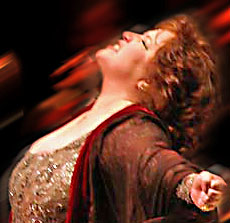 La Cieca hears that our dear Aprile Millo (who recently had to cancel a Teatro Grattacielo appearance due to illness) is ready to bounce back big time in 2008.
POSTED at
1:29 AM
32 Comments
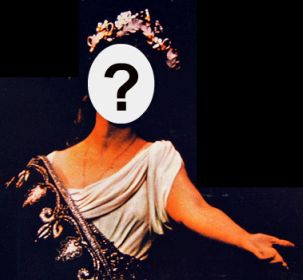 La Cieca was just wondering about something yesterday on opera-l, and doggone if Anne Midgette wasn't wondering about the same thing today in the New York Times. (That woman haunts my dreams, I tell you. It's like she's inside my head. Now, where was I? Oh, yes...) The point that dear Anne and I (among others) have mulling is this:
The opera was chosen by Fräu Lehmann for her benefit, and from a financial point of view her selection was a very wise one . . . . From an artistic point of view the choice does not seem to be so commendable. There is no artistic reason why Lilli Lehmann should present herself to the New York public as a colorature singer. She may have been actuated by a not unnatural desire to display her versatility, but to get up a performance of Bellini's "Norma" for her benefit savors rather of self-esteem than of a strong devotion to honest art . . . . She demonstrated that her voice possessed far more flexibility and that she had a greater command of the pure ornamentation of signing that anyone suspected ... It must be said, however, that Fräu Lehmann took many of the elaborate ornamental passages at a very moderate tempo and sang them with very evident labor, thus depriving them of much of that brilliancy which the smooth, mellow, pliable Italian voices impart to them. Fiorituri without brilliancy have no "raison d' étre," and no Italian diva of standing would have received half the applause that Fräu Lehmann did for singing these passages as she did. The audience was excited by astonishment at the fact that she could do it at all.Well, that was a longer pullquote than La Cieca originally intended to use, but, goodness, that is such excellent critical writing, isn't it? Anyway, back to the argument. Lehmann, Rosa Ponselle, Gina Cigna, Zinka Milanov and of course Maria Callas were all big established stars when they took on Norma at the Met. So were Joan Sutherland and Montserrat Caballé. If Shirley Verrett, Renata Scotto and Jane Eaglen received mixed reviews for their Met performances of the opera, it wasn't because of lack of star power or clout -- they were all extremely important names on the Met roster at the time of their casting.
Labels: bel canto, caballe, critic, fleming, met, midgette, nyt, scotto, voigt
POSTED at
9:48 AM
55 Comments
Labels: gualtier malde, met
POSTED at
12:54 PM
44 Comments
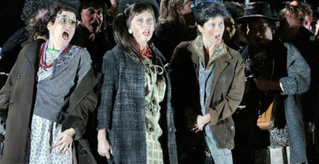 "When the Met last offered Verdi's Macbeth a quarter century ago, the New York Times slammed Sir Peter Hall's staging as 'the worst new production to struggle onto the Metropolitan Opera's stage in modern history' and the opening night audience greeted the curtain calls with some of the loudest boos in the theater's history. On October 22, the company neatly avoided a reprise of this notorious fiasco when they offered a bland take on the opera unlikely to rouse much strong feeling at all. "
POSTED at
9:50 AM
25 Comments
Today at the final dress, it was pretty obvious why Reneeeeee would cancel her Normas – the "Sempre libera" was SCARY bad – completely off the voice for the mewing and really sloppy coloratura, and then she had to go back on-voice to try and get to the Bb/B/C/Db area. The repeated C’s were especially hair-raising, and she didn’t actually get up to the pitch on any of them in the whole aria. A friend [also] watching the dress said it was uncomfortable and worrisome to have to listen to her try and get through it. While she can still produce creamy sounds in her basic rep, her ability to sing fioritura (which, while totally wrong for bel canto, was impressive at one time) is basically gone.
Labels: fleming, la cieca ci guarda la cieca ci vede, met
POSTED at
5:00 PM
48 Comments
 The Gallery Met -- you know, that space off to the opposite side of the box office, over near the State Theater? Oh, didn't you know there was a gallery there? Well, in fact, neither did much of anyone else, judging by the sparse attendance there ever since they removed the lesbian erotica (that is, the Richard Prince piece about Madama Butterfly, which La Cieca thought was kind of fun). Now, let's see. La Cieca knows she asked you here for a reason... oh, yes, of course! There's actually a new exhibition opening at the Gallery Met, a sort of tie-in with the New Yorker, which certainly sounds like a nice intersection of target audiences.
Labels: lesbian erotica, met, unfunny cartoons
POSTED at
12:54 PM
1 Comments
Labels: critic, levine, little stevie, met, our own
POSTED at
1:00 PM
33 Comments
Labels: broadcast, gualtier malde, met, our own, stephen costello
POSTED at
8:21 AM
67 Comments
POSTED at
4:55 PM
31 Comments
 sings what turns out to be an aria from Verdi's Macbeth -- despite makeup design from Valley of the Dolls and a costume recycled from the "Be Our Guest" number in Disney's Beauty and the Beast.
POSTED at
12:00 PM
75 Comments
Labels: 2009, 2010, alagna, gheorghiu, jonas kaufmann, levine, met, scandale
POSTED at
11:59 AM
12 Comments
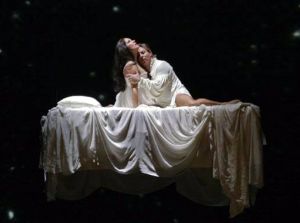 Of course, cher public, you heard it about it here a few weeks ago, but La Cieca has just read a press release from the Met announcing that, yes indeed, Roberto Alagna will reprise his Roméo opposite Anna Netrebko on December 12 and 15. (Our Own Gualtier Maldè, as you no doubt recall, confirmed the rumor when he spoke to Alagna after Aida on Tuesday night.) The December 15 matinee of Roméo et Juliette is the first of this season's "Live in High Definition" transmissions to movie theaters around the world.
Labels: 2007, alagna, gualtier malde, la cieca ci guarda la cieca ci vede, met, netrebko, our own, telecast
POSTED at
5:06 PM
0 Comments
Verdi has a way of testing his singers at the opening curtain. (See also "La Traviata," Act I, Scene 1.)
POSTED at
9:57 AM
39 Comments
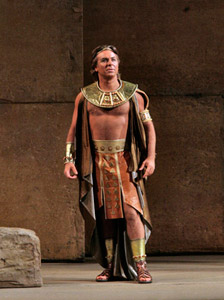 So, was last night a triumph or a disaster? Well, it was neither since the role of Radames doesn't play to all of Roberto Alagna's strengths but it was a very fine showing by a distinctive and sensitive artist in a repertory that isn't his natural metier. The evening's biggest triumph was scored by old reliable Dolora Zajick who got the biggest hand at the end. As she should. in that the tenor gets some rest here and there as other major characters take the stage, the tessitura is lower and there are intermissions to give the vocal cords a rest. The orchestra is often less dense than Puccini's orchestration in Butterfly and conductor Kazushi Ono was stressing string articulation over brassy blare. Was Alagna lacking in metal and heft for the role? - not really, the top was there (veering sharp occasionally) and the vibrato was wider than it was (but not really too wide and not only in this role).
Labels: alagna, gualtier malde, met, review
POSTED at
8:14 AM
35 Comments
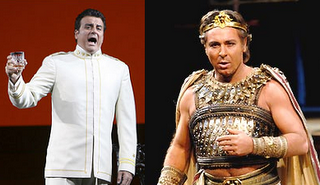 La Cieca has just heard that Roberto Alagna will sing his first Met Radames tomorrow night, replacing the ailing Marco Berti. Which means, if you haven't guessed it yet, that Marcello Giordani is jumping into tonight's Butterfly. By the end of the season, Giordani will have five different roles in his Met repertoire for 2007-08: Edgardo, Roméo, Pinkerton, Ernani and des Grieux (Manon Lescaut.)
POSTED at
4:43 PM
56 Comments
Labels: 2007, bel canto, critic, dessay, gcn, giordani, hunkentenor, met, netrebko, nyco, review, stephen costello
POSTED at
5:50 PM
5 Comments
Labels: met, stephen costello
POSTED at
2:03 PM
39 Comments
Labels: festoonery, met, world leaders dancing in underwear
POSTED at
3:45 PM
23 Comments
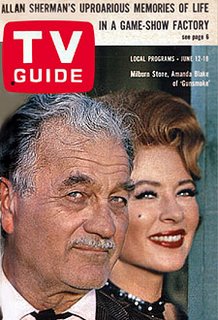 Act 3 is where it really falls apart. Scene 1: Lightning out of your local carnival's "spooky house" housed in a black scrim that materializes into Wolf's Crag Castle thanks to two cutouts at top and bottom with part of the Scene 2 stairs sticking out. Edgardo enters to a bare stage with your uncle's ugly yellow wing backed chair the only piece on stage. Scene 2 was the most confusing - the costumes, giant wooden stairs and balcony (read faux-finished cat walk) seemed to place the scene in the Wild West and looked to be straight out of Miss Kitty's Saloon from Gunsmoke!! Perhaps up close the impression was richer, but from my seat it sure didn't read as Scotland. The Ravenswoods cemetery was a particular embarrassment - 2 or 3 cutout headstones that looked to be supported in the back by 2x4's. Cheap cheap CHEAP!
Labels: dessay, giordani, guest critic, met, stephen costello
POSTED at
11:02 AM
31 Comments
Labels: giordani, la cieca ci guarda la cieca ci vede, met
POSTED at
6:08 PM
35 Comments
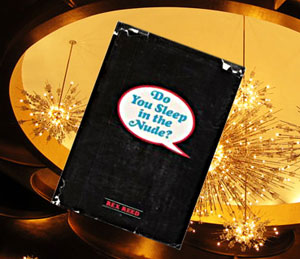 UPDATE: And now, my dears, we've even reached the AP! (How long before we're on the UP and every other damn P?)
Labels: cher public, hunkentenor, maury d'annato, met, sirius
POSTED at
4:26 PM
19 Comments
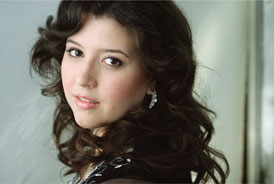 La Cieca predicted a cast change earlier, and what do you know, so it came to pass! Soprano Lisette Oropesa will sing the Tuesday prima of the Met's revival of Le nozze di Figaro and at least one more performance. She is jumping in for the enceinte Isabel Bayrakdarian. Ms. Oropesa is not only a member of the Met's Lindemann Young Artist Development Program but (even more impressively) she is La Cieca's homegirl since she is a graduate of LSU in dear old Baton Rouge! It should be noted, however, that she and La Cieca matriculated in different centuries.
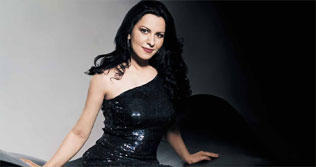 Meanwhile, in Chicago, Angela Gheorghiu has been fired from Lyric Opera's production of La bohème which is scheduled to open Monday, October 1. Thundered General Director William Mason, "Miss Gheorghiu has missed 6 of 10 rehearsals, including the piano dress rehearsal and both staging rehearsals with the orchestra. She missed one of the most critical stage-orchestra rehearsals when she left the city for New York without permission, a direct violation of her contract." La Gheorghiu was in fact spotted in the audience for the Met's prima of Gounod's Roméo et Juliette on Tuesday night.
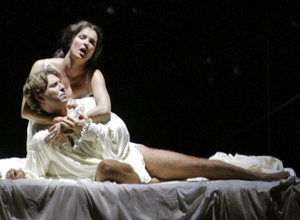 The news is somewhat less dire for other members of the Gheorghiu famille. Those of you cher public who missed out on Roberto "Million Dollar Legs" Alagna's stylish Roméo this week may get another chance at seeing his collaboration with Anna Netrebko in the Gounod love story. La Cieca hears that Alagna will return in December to fill the "TBA" slots on the 8th, 12th and 15th, including the broadcast and HD telecast. Matthew Polenzani, La Cieca hears, will take over the role on December 20.
Labels: alagna, cher public, chicago, la cieca ci guarda la cieca ci vede, met
POSTED at
4:03 PM
73 Comments
Labels: 2007, alex ross, broadcast, camp, chat, cher public, dessay, diva, maury d'annato, met, operachic, sieglinde, sirius, stephen costello
POSTED at
11:45 AM
20 Comments
 La Cieca's chat returns Monday night to welcome in the new Met season. Topic of discussion: the evening's prima of the new production of Lucia di Lammermoor, as broadcast on SIRIUS Internet Radio
Note that any of you who do not have a current subscription to Sirius can get a trial 3-day pass in time for the Opening Night chat. The event is also broadcast on RealNetworks.
Are any of you cher public attending this Lucia at one of the outdoor simulcasts? If you are, why not bring a laptop along and chat along with the rest of us? It's easy, now that the Lincoln Center plaza has WiFi!
Labels: 2007, bel canto, broadcast, chat, cher public, dessay, information wants to be free, met, sirius
POSTED at
8:00 PM
19 Comments
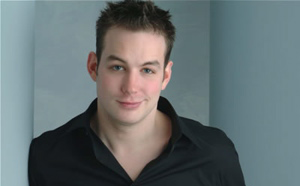 La Cieca is suffering a mild case of Empty Nest Syndrome this afternoon, since she just found out that parterre.com fave Stephen Costello is all grown up. It turns out that Stephen is the "TBA" who will sing Edgardo (his very first!) in Lucia di Lammermoor at the Met on October 25. In this spectacular followup to his scheduled house debut as Arturo next week, Stephen is joined by Annick Massis, Mariusz Kwiecien and John Relyea in a performance conducted by James Levine and broadcast live on Sirius.
Labels: la cieca ci guarda la cieca ci vede, levine, met, stephen costello, telecast
POSTED at
4:51 PM
16 Comments
I'm sure some people will be up in arms over the production. It is set in the mid-19th century. The costumes are decent. Mariusz Kwiecien sounded good although he seemed to oversing at times, but I attribute that too the before noon rehearsal time. At any rate, he sounded amazing. In "Regnava nel silenzio," Zimmerman has an actress appear as the ghost that Lucia sings about. I'm sure some people will get their panties in a knot over it, but I think it was done pretty well.
In the mad scene, the set has a grand spiral stairway which leads to an open hallway which runs the entire length of the stage. Stage left is the bridal room. The top of the stairs is downstage right. Lucia enters wiping the blood of the dagger on her veil and then crosses to the top of the stairs. Just before she sings her first line, she runs down the stairs almost to the bottom of the stairway.
On the lines, "Un gelo me serpeggia nel sen! trema ogni fibra! vacilla il piè!" She slowly slumps to the stairs. She lies down on the step and then, fainting, rolls down the two steps to the stage floor. She eventually crosses downstage to the prompter's box where she sings much of the scene on her back. She sings, "Sparsa è di rose!" after holding up her bloody veil.
Later, she runs upstage screaming and then sits on the stairs laughing maniacally. Between verses of "Spargi d'amaro pianto", a doctor administers a shot (morphine?) which prompts the ornamentation of the second verse. Dessay is completely committed to the stage directions, so it works. I think she sounded good. I wish I had remembered my opera glasses. I was in the family circle.
Labels: 2007, bel canto, dessay, la cieca ci guarda la cieca ci vede, met
POSTED at
5:31 PM
24 Comments
Labels: la cieca ci guarda la cieca ci vede, met
POSTED at
11:17 PM
40 Comments
 The Met's star-crossed revival of Roméo et Juliette has just hit another bump. Nathan Gunn, announced for Mercutio, has dropped out of the September and October performances of the opera due to illness. Jumping in will be baryhunque Stéphane Degout, who performed Mercutio in this production back in 2005. Gunn is still on the cast list for the December portion of the run.
Labels: 2007, barihunk, la cieca ci guarda la cieca ci vede, met
POSTED at
10:29 AM
28 Comments
| Vanessa (NYCO) | 24% | 214 |
| Lucia di Lammermoor (Met) | 24% | 213 |
| Agrippina revival (NYCO) | 12% | 107 |
| Iphigenie en Tauride (Met) | 12% | 106 |
| Macbeth (Met) | 9% | 82 |
| I due Foscari (OONY) | 6% | 51 |
| Margaret Garner (NYCO) | 4% | 37 |
| Romeo et Juliette revival (Met) | 4% | 32 |
| Madama Butterfly revival (Met) | 3% | 28 |
| L’oracolo/L’incantesimo (Teatro Grattacielo) | 2% | 15 |
| total votes: 885 | ||
POSTED at
2:05 PM
8 Comments
 Fans of red-haired three-named sopranos d'un certain âge will rejoice to hear that at least a couple of the mainstays of the Volpe Era have been asked back to the Met under the Gelb Aegis. (And after all that naughty gossip about firings and buyings-out! Who ever heard of such a thing?) Anyway, not to delay the gratification any longer, La Cieca can reveal that the Titian-tressed trinominates in question are Hei-Kyung Hong and Ruth Ann Swenson.
Labels: diva, gelb, la cieca ci guarda la cieca ci vede, met, ruth ann swenson, scandale
POSTED at
11:53 AM
23 Comments
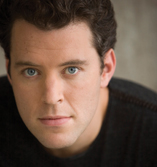 La Cieca has just learned that tenor Joseph Kaiser will make a "surprise" Met debut October 3, singing the role of Roméo in Gounod’s Roméo et Juliette. He will also sing performances on October 6 and 11, replacing the ailing Rolando Villazón.
Labels: 2007, hunkentenor, met
POSTED at
3:07 PM
13 Comments
Labels: alagna, la cieca ci guarda la cieca ci vede, met, villazon
POSTED at
3:12 PM
18 Comments
 La Cieca just received a press release from the Met detailing some of the cast changes and reshufflings already afoot for next season. She is pretty sure than none of this has anything to do with last night's steam pipe explosion in Midtown.
POSTED at
2:01 PM
50 Comments
 Iconic Ira Siff temporarily puts aside performing and his busy teaching schedule this summer to direct Cosi fan tutte with the Tanglewood Music Center young artists, in collaboration with Maestro James Levine. The Mozart comedy runs August 11-14. La Cieca further hears whispers that due to the overwhelmingly positive response to Ira's guest appearances on last year's Met/Sirius broadcasts, he will be promoted to co-host status opposite Margaret Juntwait on that series beginning this fall.
Labels: broadcast, crossover, la cieca ci guarda la cieca ci vede, levine, met, sirius
POSTED at
10:17 AM
0 Comments
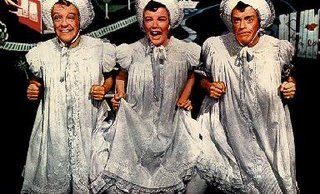 La Cieca is delighted to announce the return of the online opera chat, this Thursday June 14 on the subject of Il trittico, as telecast on Channel 13 here in New York. The chat room will open at 7:45 for the 8:00 beginning of the telecast.
POSTED at
4:23 PM
1 Comments
 Just a few quick words about the magnificent soprano Antonietta Stella, the "tie-breaker" in our recent quiz. She is perhaps not quite so familiar to some of La Cieca's readers as the more celebrated divas also heard on the track such as Tebaldi and Price. La Cieca will quote her dear colleague Enzo Bordello, who wrote eloquently about this singer in 1998:
POSTED at
12:12 AM
16 Comments
Labels: countertenor, daniels, gay gay gay gay gay, great homosexuals of history, levine, met
POSTED at
7:40 PM
2 Comments
 A Met insider whispers that new chorus director Donald Palumbo, recently praised to the skies for his "tireless" efforts on Orfeo, may not want to stay tired for long. According to our source, “warning of vocal deterioration” letters have already been drafted to be sent to several members of the Met regular chorus, especially in the notoriously wobbly soprano section. Apparently, this warning letter is the first step in a lengthy contractural process of weeding out unacceptable voices. (Ironically, by the time arrives for Palumbo to rehearse the witches' choruses in Macbeth next season, he may already have fired at least some of the Met's worst crones.)
Labels: 2008, filth, la cieca ci guarda la cieca ci vede, met
POSTED at
12:35 PM
25 Comments
The frisson that Anna Netrebko created at Met recently piqued my interest in the work again- but I find myself dissatisfied with the array of recordings available. Joan I’d have to quickly count out- a lot of the time it sounds like she’s singing the phone book. Not a Bonynge fan either. Ditto La Sills- I just don’t like the timbre of her voice. I own the Caballe/Kraus recording and enjoy it- even without most of the high notes and no trill from Montsy. Despite that she always wins me over and Kraus makes a good fist of Arturo- I don’t understand the negative crits he got for this recording. When are people going to realise that the high D’s and high F were not meant to be sung full voice- I feel sure they were supposed to be sung in head voice- esp as Arturo is at his most miserable when these notes pop up.
Devia is good, albeit a little colourless. Mateuzzi has the high notes- shame everything under a G is flat, flat, flat. Have you heard the Freni/Pav recordings? I’m interested to hear them. I also have the Callas recording- but I can’t BEAR Di Stefano- too much scooping and painful open high notes. Is there a fabulous recording I’ve missed? If only La Scotto had done it- she would have been ideal. (I too am a Scotto worshipper!)
Any suggestions greatly appreciated!
Labels: bel canto, caballe, callas, cher public, discuss, met
POSTED at
8:12 PM
22 Comments
New York, NY (May 8, 2007) - Bizet's Carmen with Russian mezzo-soprano Olga Borodina in the title role will be revived during the Met's 2007-08 season, replacing the previously announced performances of Offenbach's Les Contes d'Hoffmann. The change in repertory is due to the decision by Argentine tenor Marcelo Álvarez to retire the title role of Hoffmann from his repertory. Mr. Álvarez will instead make his Met role debut singing Don José in Carmen opposite Ms. Borodina. Nancy Fabiola Herrera will sing the title role in one performance. Krassimira Stoyanova sings the role of Micaëla at the Met for the first time. Emmanuel Villaume conducts all eight performances from February 4 to March 1, 2008.Told you so.
Labels: 2008, ex cathedra, la cieca ci guarda la cieca ci vede, met
POSTED at
3:58 PM
21 Comments
Labels: 2008, la cieca ci guarda la cieca ci vede, met
POSTED at
2:07 PM
43 Comments
"This show is awesome. The dancing is really interesting and fits the music very well. Donald Palumbo has really worked tirelessly to make the chorus sound as good as possible, giving notes and comments all through rehearsals. I’m told from long-time members that note sessions during dress rehearsals were quite rare. David Daniels is great in this part, and he sings it so well. Maija Kovalevska is a hottie, and has a beautiful voice. She is tall and striking and pairs physically very well with David. And Heidi Grant Murphy has perhaps the entrance of the season. I won’t give it away, but your jaw will drop. Mine did .... Bring your spyglasses to try and figure out as many of the 'dead characters' in the chorus as you can!"
Labels: countertenor, daniels, met
POSTED at
12:28 PM
49 Comments
POSTED at
2:28 PM
39 Comments
Labels: la cieca ci guarda la cieca ci vede, met
POSTED at
6:50 PM
44 Comments
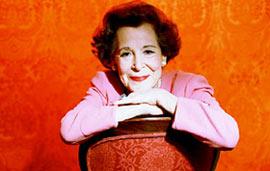 Actress, singer, arts advocate, socialite, TV personality (and New Orleans native) Kitty Carlisle Hart has died at the age of 96. La Carlisle made her Broadway debut in 1933 in the musical Champagne Sec (a version of Die Fledermaus), then went to Hollywood for a brief stay highlighted by her turn as "Rosa Castaldi" in A Night at the Opera. (To die-hard opera queens, no performance of the "Miserere" from Il trovatore is complete without the interpolation of "the Kitty Carlisle high C.") In 1948 the mezzo-soprano starred in the New York premiere of Britten's The Rape of Lucretia; later she appeared on the "Straw Hat Circuit" in Carmen and The Merry Widow as well as classic American musicals. On New Year's Eve 1966, Ms. Hart made her Metropolitan Opera debut as Prince Orlovsky in Fledermaus, a role she reprised for the company's Parks performances in 1973, and again in 1980 at the New York City Opera for Beverly Sills' farewell gala.
POSTED at
3:33 PM
16 Comments
Labels: la cieca ci guarda la cieca ci vede, met
POSTED at
10:53 PM
7 Comments
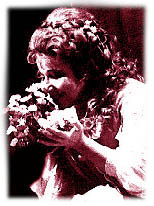 La Cieca is no big believer in omens, but she must say that within a hour of Aprile Millo's final curtain call on the Met stage Saturday night, all hell broke loose over New York. Not exactly "stars with trains of fire and dews of blood/Disasters in the sun" but certainly a messy and unseasonable Nor'easter. Time will tell whether this downpour foretells the end of an era. Meanwhile, La Cieca will do her job and report that among La Millo's public she glimpsed Elaine Stritch, Rufus Wainwright and Patti Smith, all of whom made the pilgrimage backstage to meet and greet the diva. Also in evidence were Violeta Urmana and Salvatore Licitra, plus of course every opera queen you might care to mention. A few fans attempted to serenade Millo with "Happy Birthday" during her solo bow, but were inaudible over the applause and cheers.
POSTED at
11:18 AM
58 Comments
POSTED at
12:28 PM
41 Comments
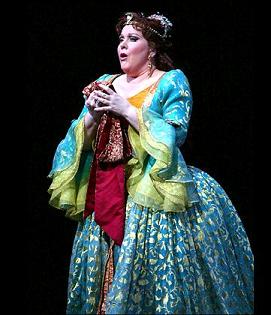
Labels: met, ruth ann swenson, this diva looks like that diva
POSTED at
4:19 PM
6 Comments
Labels: daniels, diva, gelb, la cieca ci guarda la cieca ci vede, met, nyt, ruth ann swenson, sad
POSTED at
10:42 AM
107 Comments
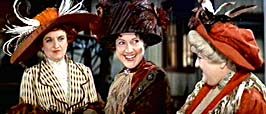 La Cieca (not pictured) reminds her cher public that tonight's 40th Anniversary of the Met at Lincoln Center gala will be the subject of an online chat right here at parterre.com.
Labels: chat, cher public, gala, met, netrebko, sirius, villazon
POSTED at
10:38 AM
50 Comments
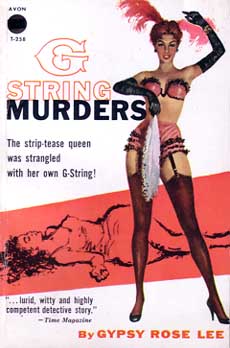 On April 17, Dame Kiri te Kanawa returns to the scene of... well, not a crime, actually, more like a triumph: that is, her surprise Met debut in Otello way back in 1974. No, she's not singing, but on April 17 she will make a personal appearance at the Metropolitan Opera Shop, to greet her fans and sign CDs from 12:30 pm to 1:30 pm.
POSTED at
10:23 AM
14 Comments
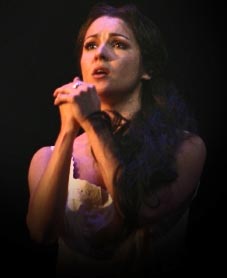 Something new and interesting (La Cieca hopes) on Unnatural Acts of Opera: a 2004 concert performance of Bellini's I Capuleti e i Montecchi, starring Anna Netrebko (Giulietta), Daniela Barcellona (Romeo) and Joseph Calleja (Tebaldo). Act One is the current podcast, with the second to follow on Friday.
Labels: bel canto, broadcast, cher public, diva, met, netrebko, podcast, sirius, villazon
POSTED at
10:47 PM
59 Comments
Labels: blog, camp, critic, diva, drag, filth, fleming, gay gay gay gay gay, gcn, la cieca ci guarda la cieca ci vede, maury d'annato, met, midgette, nyco, nyt, our own, parody, podcast, review, voigt, youtube
POSTED at
11:09 AM
15 Comments
 La Cieca has just been informed that soprano Mary Dunleavy will participate in tonight's panel discussion "Opera and Technology" at The Italian Academy for Advanced Studies in America at Columbia University. No word on whether La Dunleavy replaces or supplements the previously announced Lucy Shelton. Our own JJ will be there of course, along with a veritable constellation of opera pundits: Elena Park, Editorial and Creative Content, The Metropolitan Opera; Beth Greenberg, stage director, New York City Opera; Wayne Koestenbaum, poet and writer; and Anne Midgette, critic, The New York Times. That's tonight at 7:30 PM, 1161 Amsterdam Avenue (between 116th and 118th Streets), second floor.
Labels: 2008, blog, camp, critic, diva, filth, gay, jj, met, midgette, nyco, nyt, our own, podcast, youtube
POSTED at
1:08 PM
8 Comments
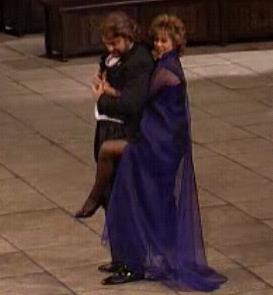 Operatic trailblazer Kiri te Kanawa has won yet another victory for every soprano who doesn't really feel all that much like singing anyway.
POSTED at
5:15 PM
9 Comments
Labels: maury d'annato, met
POSTED at
3:07 PM
14 Comments
POSTED at
11:51 AM
45 Comments
POSTED at
11:35 AM
6 Comments
Labels: 2008, dessay, fleming, la cieca ci guarda la cieca ci vede, mattila, met, netrebko, villazon, voigt
POSTED at
11:36 AM
92 Comments
Labels: alagna, domingo, first emperor, gelb, levine, met, midgette, mortier, nyco
POSTED at
2:16 PM
27 Comments
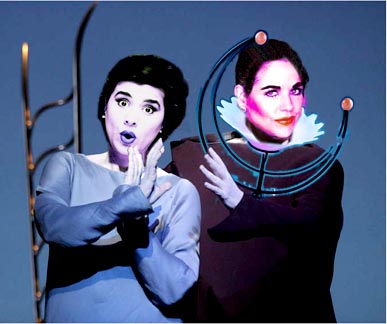
UPDATE: The role of Adalgisa in the Fleming/Wilson Norma scheduled for 2011 will not, as La Cieca puckishly suggested, be sung by Cecilia Bartoli. In fact she has just been informed by one of her most impeccable sources that the part will go to Elīna Garanča.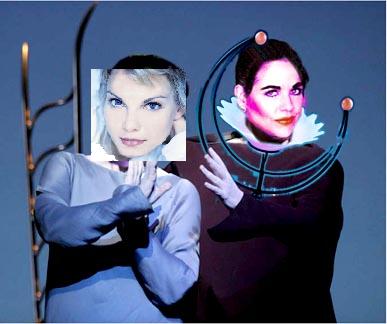 And in other exclusive Decca recording artist/avant-garde legend related news, the Schwartz gallery at the Met is awaiting installation of a Robert Wilson "video portrait" of La Fleming. La Cieca will inform you when the Wilson film makes it on to YouTube.
Labels: 2011, fleming, la cieca ci guarda la cieca ci vede, met, nyt, youtube
POSTED at
10:28 PM
21 Comments
POSTED at
12:02 PM
12 Comments
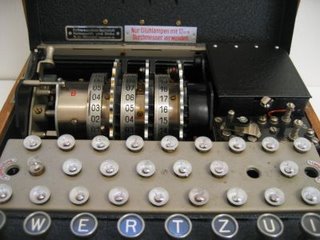 The final act of Loreley is hardly the only attraction on the current episode of Unnatural Acts of Opera. La Cieca also salutes the birthdays of three of the greatest sopranos of all time, and, can you believe it, presides over the return of one of your all-time favorite features, "The Enigmas of La Cieca." Once more, cher public, you can play "opera quiz" from the comfort and safety of your own lovely homes, without the difficultly of slogging through the snow to List Hall, or, for that matter, the difficulty of slugging Anthony Laciura once you get there. (Who knew it was possible to channel Eddie Cantor? Who knew anyone wanted to?) But anyway, as La Cieca was saying, do lend an ear to the new Unnatural Acts of Opera, listen to La Cieca's enigma, and (if you dare) send you answer to the question to [email protected]. The first correct response received will win a tantalizing gift from handelmania.com.
Labels: cher public, met, podcast, quiz
POSTED at
12:02 PM
8 Comments
POSTED at
2:19 PM
31 Comments
Labels: first emperor, la cieca ci guarda la cieca ci vede, met
POSTED at
10:57 AM
28 Comments
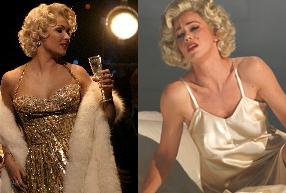 Compare and contrast the bel canto stylings of Elizabeth Futral and Anna Netrebko tonight when La Cieca hosts yet another of her live chats here on parterre.com.
POSTED at
4:13 PM
16 Comments
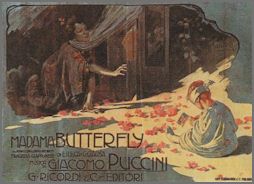 In observance of the 100th anniversary of the Metropolitan Opera premiere of Madama Butterfly, La Cieca presents a podcast featuring the original cast of that production: Geraldine Farrar, Enrico Caruso and Antonio Scotti. The three superstars are heard in ten selections from Puccini's score.
POSTED at
1:19 AM
67 Comments
Links to this post
Labels: diva, gay gay gay gay gay, gcn, mattila, met, review, silja
POSTED at
7:17 PM
15 Comments
Links to this post
Labels: la cieca ci guarda la cieca ci vede, met, scotto
POSTED at
11:32 AM
66 Comments
Links to this post
Labels: diva, la cieca ci guarda la cieca ci vede, met
POSTED at
2:56 PM
168 Comments
Links to this post
Labels: gay gay gay gay gay, mattila, met, silja
POSTED at
6:18 AM
4 Comments
Links to this post

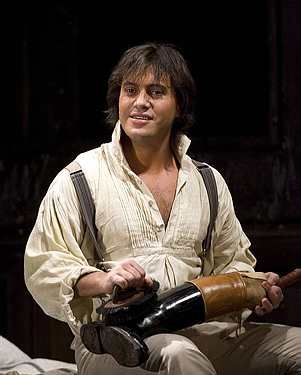 Reactions to last night's Figaro prima? Anyone?


