
 Three of the Met’s most cunning vocalists, Juan Diego Flórez, Joyce DiDonato and Diana Damrau, wrap their tongues around the trio from Le Comte Ory.
Update: a Faithful Reader/Spy notes:
Final dress of Le Comte Ory was very successful. The packed house (it was one of those Varis-sponsored “open house’ deals) clearly enjoyed the free event very much, and there was much to be praised.
Not too surprisingly, Joyce DiDonato stole all hearts as Isolier. Perfect role for her voice, her appearance and her acting abilities. She was absolutely sensational.
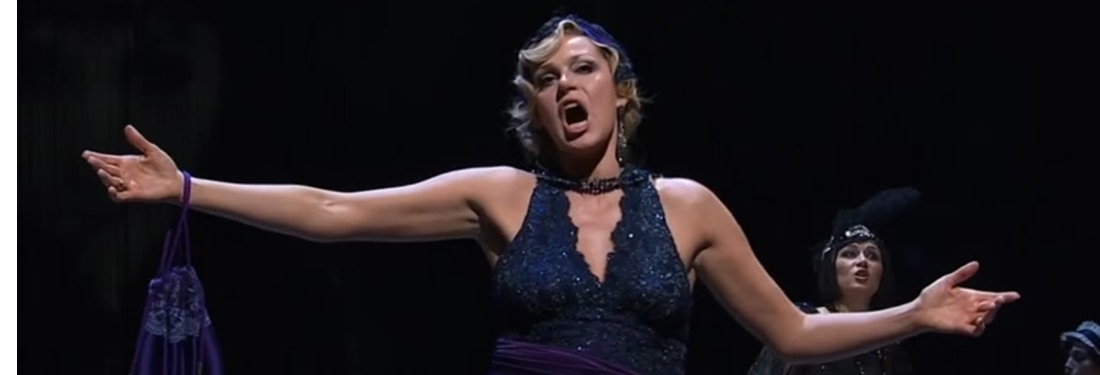
Diana Damrau was also excellent as Adele. Like DiDonato, she acted and moved with great intelligence — though with a slight tendency to mug that DiD . miraculously avoided. She was in excellent voice, a few tiny bobbles hardly worth mentioning. She sang the gorgeous music with great expressiveness, and a fine understanding of the score.
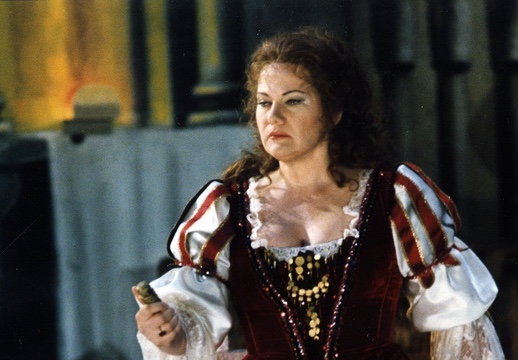
For once, she was perfectly costumed. The beautiful dresses (especially the purple, burgundy and black number in act1 ) emphasized her womanly curves (and splendid poitrine ) while discreetly distracting attention from her slight tendency to beefiness. She looked stunning throughout. Brava. This performance should mellow nicely in subsequent showings.
Stephane Degout, Michele Pertusi, Susanne Resmark, Tony Stevenson, Tyler Simpson — all excellent. Luxury casting writ large.
Maurizio Benini and the orchestra. Absolutely first rate as expected. Beautiful music, with a lovely French lilt and subtelty. Exquisitely played.
I was not especially taken by Florez, but I was in the minority. After the performance, a knowledgeable met insider said what I already sensed. He’s always the same, he doesn’t really interpret. What he has, he has. Take it or leave it. He’s cute, he moves well. I find his sense of comic timing always to be a beat or two off — although he did seem to be trying this time. He mugs a bit too much. He minces and flounces just a bit too much to be funny. And as for me, I don’t care for his sound. Even a “Rossini tenor” should be able to put a bit of color into the phrasing. I can’t get the idea of bleating out of mind.
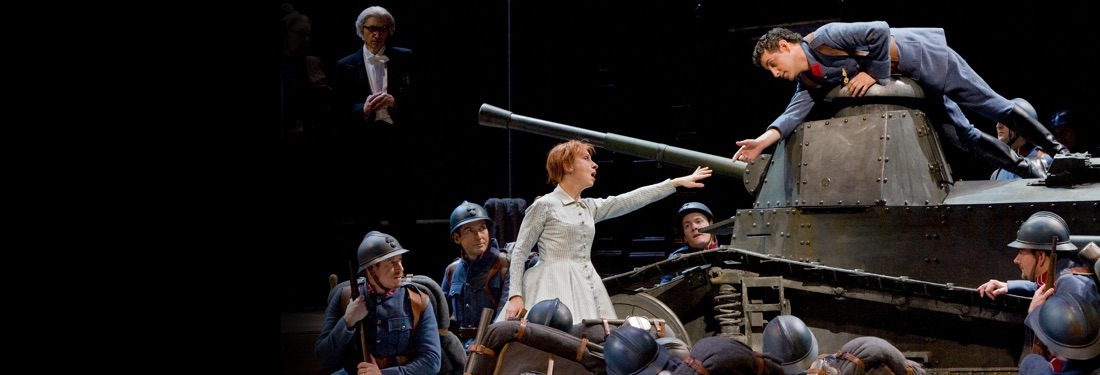
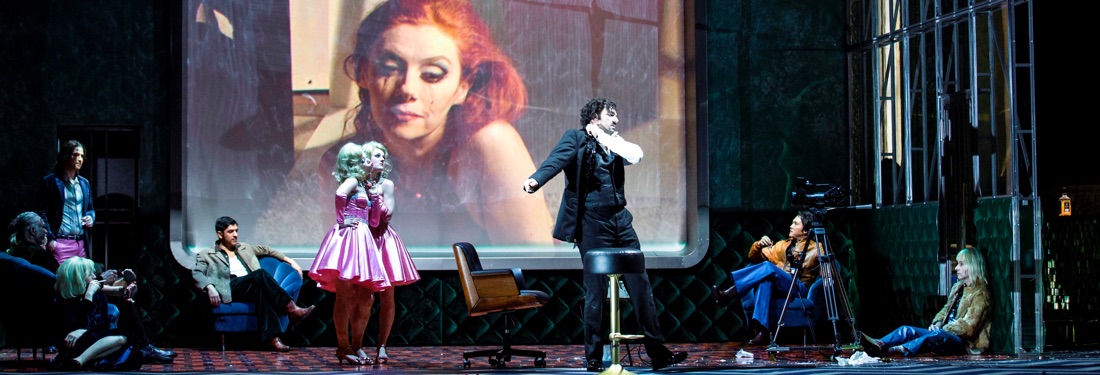
The production has a few problems I thought. It is colorful and charming, but the “whole performance-within-a-performance “thing” just makes it seem a bit precious and confusing. I thin it would have been better, in similar sets, just played straight. Is it really necessary to have the thunder sheets and wind machine on stage, operated by supers in period costume?
Also, I think it would have been much better played on a plain slightly raked stage. Here, we have a “period” stage-within-a-stage built up 18 inches from the actual stage floor. I was a few rows back in the orchestra — presumably “prime” seats, — and there were many times that performers toward the rear of the stage were visible only from the waist up. Rough beams and construction work were visible at the front of the inner “stage” and pulleys and counterweights were visible at the rear. I would have to say i found it distracting. Like Sher’s “passarelle” in Barber (and the ridiculous giant anvil in that production) this concept took away a lot more than it added.
A good day at the met overall. A wonderful production of a beautiful piece. See it while it’s young.
More serious note: Jimmy cancels NYC Trovs and last two Rheingolds.
Latest on Parterre



parterre in your box?
Get our free weekly newsletter delivered to your email.



Comments