Headshot of La Cieca

Cher Public

  • OpinionatedNeophyte: Is this the same Laquita Mitchell? Is she ready for prime ti...
  • Betsy_Ann_Bobolink: An interesting sidebar is that to be historically "accurate"...
  • grimoaldo: Yeah, I missed both of those too. Very good, very funny, con...
  • CruzSF: Congrats to DharmaBay and iltenoredigrazia. I don't know HOW...
  • OpinionatedNeophyte: *sigh* The far more interesting "racial edge" to the story i...
  • grimoaldo: There was an amazing production of Showboat by Ian Judge don...
  • OpinionatedNeophyte: Oh yes Monty, didn't you know? Its in the Opera-L bylaws tha...
  • grimoaldo: Searing finale of Luisa Miller with Taro Ichihara Eduard Tum...
  • whatever: any chance that very interesting and rather wilberesque cale...
  • Angelo Saccosta: Sorry, Signor Tenore. I thought I was still talking to Samir...

blog advertising is good for you

You can ring my bel canto

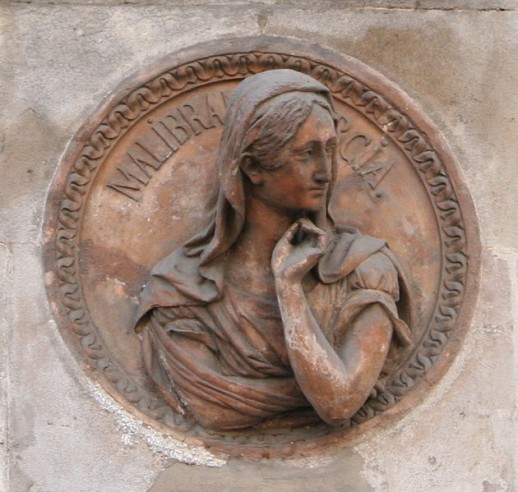
malibranSince last night marked the debut of history’s newest and perkiest interpreter of the role of Norma, and (more to the point) since Bellini’s druid priestess will grace the woods of Katonah, NY during the month of July, La Cieca thought it would be exciting to organize a YouTube competition on the theme of bel canto. The very special prize to the winner of this week’s competition: a pair of tickets (complete with transportation) to the Bel Canto at Caramoor presentation of Norma on July 16.  Your task, cher public, is to find and to embed a YouTube clip that illustrates or embodies the meaning of “bel canto.” Entries will be judged both on the musical quality of the clip and on your introductory paragraph explaining to us why and how this clip is a sterling example of the art of bel canto.

The contest will close on Monday, July 5 at midnight. The commenter who posts the clip and comment La Cieca judges the best (and her whim is final!) will receive a pair of tickets of the July 16 performance of Norma at Caramoor plus a pair of passes on the Caramoor Caravan departing from the Grand Central Station area at 4:00 pm and returning after the opera.

And now, a singer who has been ringing La Cieca’s bel canto for several seasons now, joyous Joyce DiDonato. In this selection, she perfectly balances the technical control necessary to bel canto (long breath, smooth legato, seamlessly blended registers) with the musicianship and emotion required to bring the piece to vivid life. In particular, note the aggressive vocal attacks on the strong rhythms of the main theme of the cabaletta, bordering on the declamatory but always within the context of a breath-supported legato.

So, cher public, let’s hear it from you: what is bel canto and who can show us how to do it?

183 comments

  • soubrettino says:

    Thingy starts at 1:55

    You either love her or hate her!

    • BETSY_ANN_BOBOLINK says:

      It strikes me we’re living in an awfully good era for Mozart and Rossini when even the ones it is possible to hate are as good as this.

    • Valmont says:

      LOVE HER! Not only is she beautiful, but one of the nicest people you’ll ever meet.

  • Konrad Swollenrod says:

    I love this work (Pacini’s Maria Regina d’Inghilterra) and believe it is very worthy of being heard. There is much lovely music in it and it’s very bel canto. Here’s a few samples.

    This is the finale (in two parts) to Act III. The first part is a duetto for two sopranos (Nelly Miricioiu and Mary Plazas).

    The second part consists of Miricioiu’s aria and cabaletta that end the opera.


    feature=related

    Then there’s the cabaletta to Maria’s (Miricioiu) Act II aria.

  • Konrad Swollenrod says:

    Pacini doesn’t slight the men, either. Here’s a duet for bass and baritone with chorus that ends Act I. (“La vita! Io la detesto … Il giuro tremendo”)

    Pacini also composed a grand concertante (here in two parts) to end the second act.

    The stretto is pretty intense, in my opinion.

    And there’s so much more beautiful music in this work not available on YouTube including an aria for bass in Act I, duets for the second soprano (Mary Plazas) and baritone in Acts I and III, an impassioned aria and cabaletta for Plazas in Act III, and an extended scene and aria for the imprisoned tenor in Act III.

  • brooklynpunk says:

    (…hopefully I’ve finally put it in the RIGHT place, now….)

    Something(S) about this clip really ring My Bel..

    I was at this concert in the Park, the first year that I had moved to San Francisco, and watching this, can almost hear the then GM of SFO, L. Mansouri, say..”And Now…OUR OWN Ruth ANN….!”

    Something about her..apparent ease..beauty of sound..clarity..and the fact that she really looks like she’s enjoying what she’s doing, make this one of my favorite clips…!

    I haven’t ALWAYS been mad crazy for everything RAS has done… but at this particular moment… she really rocked…..!

  • Buster says:

    Lella Cuberli IS Amenaide -- heartbreaking, sparkling earring at the very end, so not all hope is lost!

  • Cocky Kurwenal says:

    We all have our own way of interpreting the term ‘bel canto’, once we’ve got beyond the litteral and practical definitions. For me, it is important that it means beautiful singing, rather than a beautiful voice, and while a beautiful sound is always a bonus, it is the way in which it is handled that really matters in this repertoire. I think the beauty comes from a deep sincerity, an identification with the text and the score so organic that what comes out is phrasing that is as magical as it is inevitable. Gencer had it frequently, as did Sills and Caballe when they were really committed to their performances, but I think Callas epitomises what I’m talking about with amazing consistency through virtually any of her live or studio work in this repertoire. The excerpts posted by others from Pirata and Bolena illustrate it perfectly already, but I’ll add this aria from Lucrezia Borgia. It is true that it comes from later on in her studio career, and there is a brittleness at the top, but the overall lustre of the voice, the execution and integration of the ornaments into the line, and above all the musicianship displayed make it incredibly compelling singing to me.

  • Clita del Toro says:

    Callas has always been my favorite bel canto singer; and
    my favorite bel can’t-oh singer is Nebs!

    • peter says:

      One of my favorite moments in Callas’s first recording of Lucia, her rendition of Soffriva nel pianto from the 2nd act of Lucia. Beautiful legato and pianissimi and her phrasing, almost like a violin but with all that heartbreaking emotion. At the end of the first section, a portamento which is almost miraculous.

  • kashania says:

    HAPPY CANADA DAY!

  • spintointraining says:

    httpv://www.youtube.com/watch?v=

    come on..I mean COME ON!!!!

    this for me is the definition of Bel Canto singing…

  • No Expert says:

    Sills creates each note as an important individual but then blends them into phrases which ebb and flow with the queen’s changing emotional state: apprehensive, nostalgic, enamored, hopeful and defiant The ornaments are thrilling but Sills uses them to help convey those emotions and not just to dazzle. And she treats the recitative with as much respect as the arias themselves.

    I think, anyway.