
Les feux d’artifice s’approchent
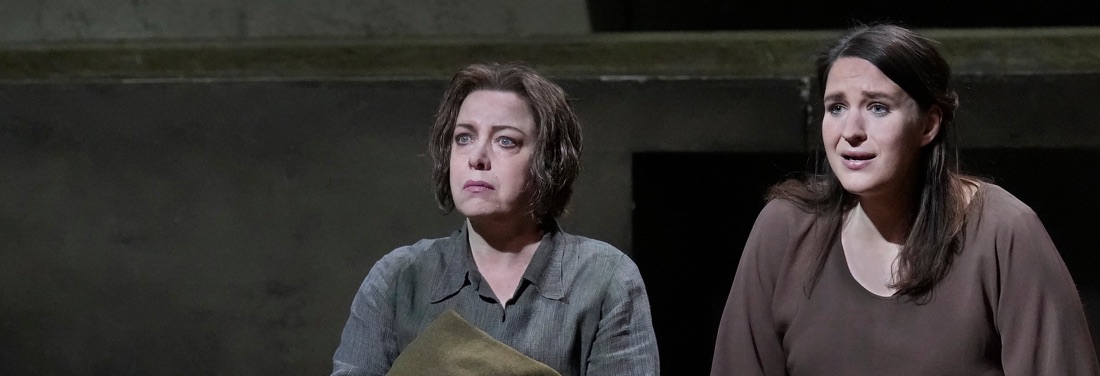
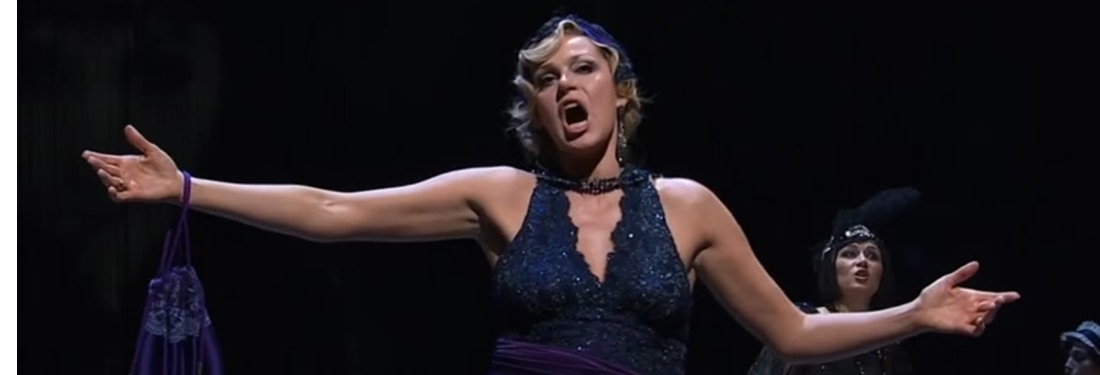
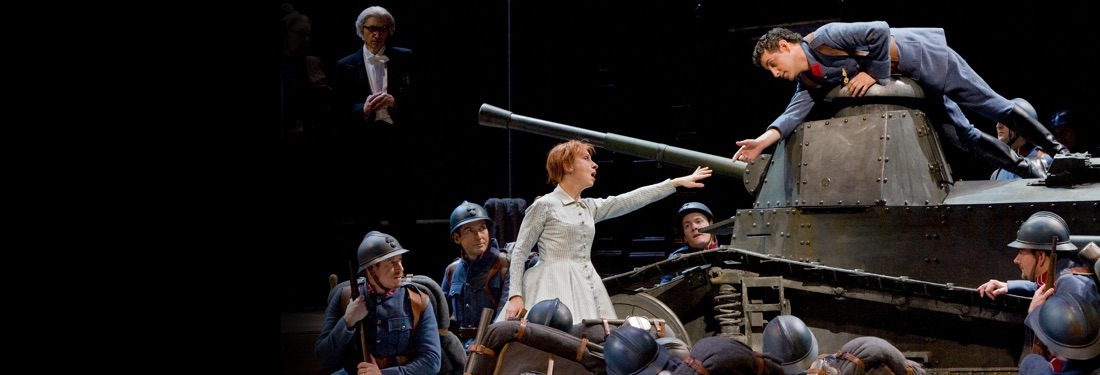
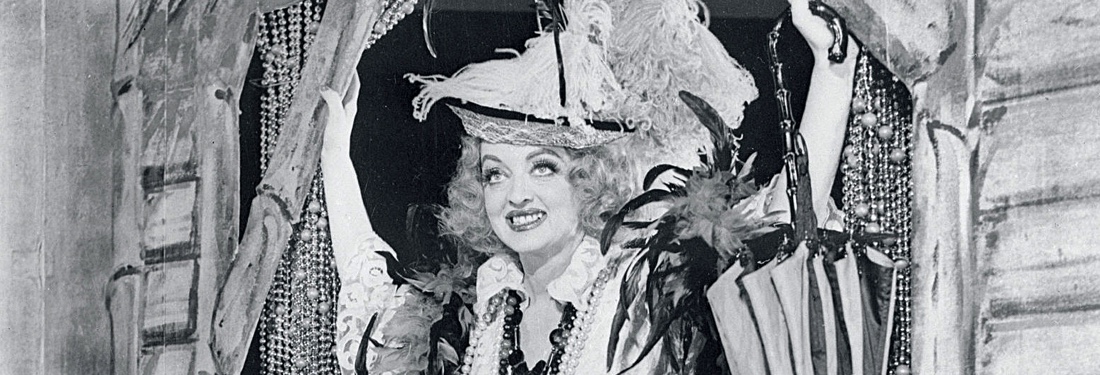
According to the always reliable Zachary Woolfe, among the beans spilled at the NYCO “Koch” Gala last night was the strong suggestion (from no less than Rufus Wainwright himself) that a production of Prima Donna is planned for an upcoming George Steel-planned season. [New York Observer]
![Based on an original photo by Clive Barda] Based on an original photo by Clive Barda]](http://parterre.com/wp-content/uploads/2009/11/prima_donna_nyco.jpg)
He isn’t the first person to write their first opera for the Met, nor will he be the last. And you know very well what my point is… don’t make me come over there and slap you upside the head. Why do we “usually” do it that way? And who says we “usually” do it that way? Why is that way better or worse than any other way? Because we didn’t like the product? That’s ridiculous. And just because “we” didn’t like the product doesn’t mean no one did. It got a terrific review in Opera Now (written by Antonia Couling -http://www.rhinegold.co.uk/magazines/opera_now/live_articles/opera_now_live_reviews.asp) and several of the other reviews were mixed, not horrible. Barber’s first opera was written for the Met, and prior success as an orchestral composer didn’t necessarily mean the opera would be successful. Why is there a different standard for composers than there is for singers? Roberta Peters made her opera debut there, as did Rosa Ponselle, Alma Gluck (I’m pretty sure), Grace Moore, Lucine Amara. And in case anyone checks my facts (and I know someone will, since I know I would), I’m not counting vaudeville (Miss Ponselle), Broadway (Grace Moore), or concerts (Lucine Amara). I’m sure there are more, plus conductors, designers, directors, choreographers, general managers, etc. Since none of us can predict the future, past successes elsewhere are no guarantees of success at the Met, anymore than past failures guarantee failure at the Met.
Previous posters overlook the fact that in the US government, both federal and in many places state, make a substantial contribution to funding for the arts, as well as many other institutions including educational, religious, social welfare and medical, through the mechanism of income tax deductilibity for charitable contributions. One may agree or disagree as to whether this is an appropriate way for government to affect the allocation of resources, but it is clearly an important component of the total picture of the financing of many areas of our cultural life. The centrality of tax policy to the perceived welfare of our non-profit charitable organizations is repeatedly demonstrated by their leading role in opposition to any fundamental revision of the basic structure of our system of income taxation.
On a different note, alokimiyeyi’s equating of David Koch to Goebbels (No. 36) is despicable. To liken everyone with whom we may profoundly disagree with the perpetrators of the Nazi horror is an insult to all who suffered during that nightmare. It reflects na immature, intemperate mentality that renders thoughtful political discussion impossible, and has no place on this website.
Bravo! Goebbels and Koch have two totally different relationships to art. Goebbels CREATED art(propaganda furthering the cause of an evil dictator), Koch is FUNDING art, two totally different things, so there is no comparison anyway.
A lot depends on what one considers a “substantial contribution.” Government grants make up two-tenths of 1 percent of the Met’s revenues, according to the latest tax documents available on their website.
My point is that when a wealthy donor makes a $1000 “private” contribution, there is likely a 35 or 40 percent savings on his or her income taxes plus an additional 45 percent saving on potential estate tax if he or she were to leave the remaining money to an individual beneficiary rather than having donated it to a charity. If my analysis is correct, wouldn’t it be the case that of the $1000 in “private” support, something like $650 is essentially government funding,
representing the amount that would otherwise have been paid to the government as higher taxes? I would be interested to read wherein you find this reasoning to be wrong.
Test of reply function.
According to the chapter and verse of 42.3 (test of reply-2)
I would much prefer to be quoted than paraphrased – I did not equate Mr Koch with Herr Goebbels. And I was referring not to the propaganda but to the wider role that Goebbels played in the Nazi policy towards the arts. But now that I consider Noel Dalhings comment, I expand my comment to include the Goebbels’ propaganda role, as the Koch organization has thrown so much mud on the wall in regard to the health care discussions. I think that Koch is a very dangerous man, based on his funding of the anti marriage propositions in both California and Maine, and his despicable role in the right wing push against health care reform. I find not a lot of distance between Nazi horror and the right wing agenda in this country. Accusing me of immature, intemperate mentality seems to me to be directed at stifling my opinion, which certainly would not further thoughtful political discussion on this site.