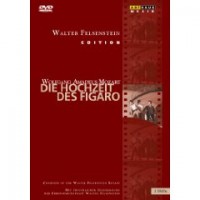
 The joy on my face after opening the plain manila envelope that contained the ArtHaus Musik DVD of Walter Felsenstein‘s 1975-6 Die Hochzeit des Figaro is hard to describe. I wanted to love this DVD with all my heart, as I have with the three other Nozze DVDs I own. I did, and then some.
Now, even before you put the first of the two discs into your DVD player, you could start finding problems: “I don’t know any of these singers!” “Singing Mozart in translation?” “The sets look flimsy!” “Lipsynching?”
To which I answer, “Who cares?” This production shows, if not proves, that brilliant direction and artistic commitment to a masterwork of an opera can overcome any problems to create a wildly entertaining and fulfilling experience.
Geza Oberfrank conducts a lively if slightly sloppy overture, and continues the trend throughout. Some of the more intimate moments are given the feeling and time they deserve, while some tempi in the more youthful sections (“Non so più”) are fast enough to cause audible concern in the singers, but the Orchestra of the Komische Oper Berlin holds together well under Oberfrank’s baton.
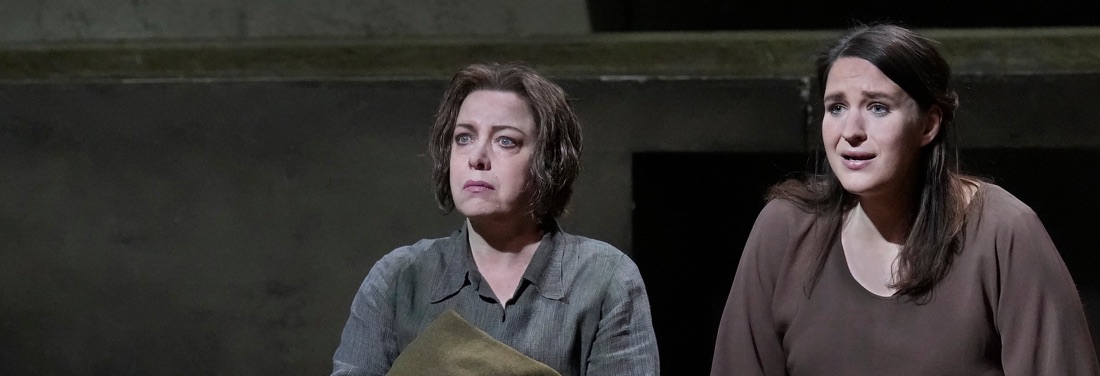
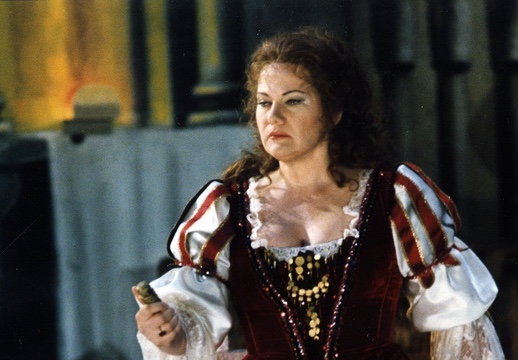
In some productions of Nozze the men shine, while in others the ladies take the day. This is clearly a case of the latter. Magdalena Falewicz as the Countess perseveres through the German translation to create beautiful Mozartian lines, with a truly gorgeous “Dove sono” the standout moment in her performance. She is heart-shattering in her sadness, yet still able to be alluring and coy when needed.
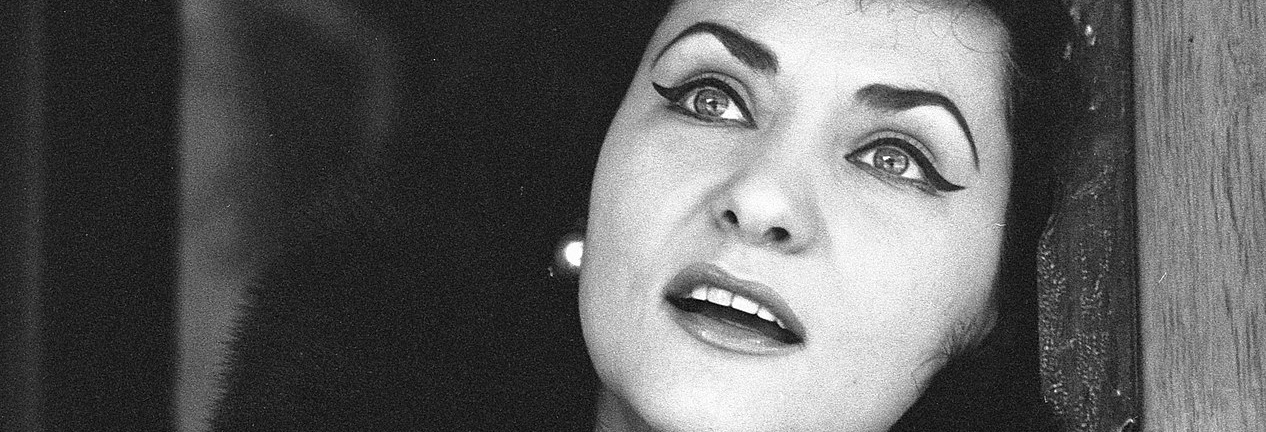
One can almost forgive the Count for his lusting after Susanna when she is played so ably by Ursula Reinhardt-Kiss. Her eyes are two huge globes of emotion with the ability to drive you mad with passion, and then in an instant turn to reveal the guilt that racks her heart when she deceptively flirts with the Count during “Crudel, perché finora.” She matches her ability as an actress with beautifully formed phrases and dynamic control, especially in “Deh vieni non tardar.”
Ute Trekel-Burckhardt, while having a rather odd throaty sound in places and the occasional vocal hiccup, is a more than serviceable Cherubino. While I have seen better, she delivers her quips well in German recitative and is rather convincing in her trousers.
The men are actors in the same vein as the ladies, but with slightly less Mozartian capability in their voices. József Dene has a stentorian basso sound that you don’t expect from a Figaro, but lacks the high notes that you do expect. Uwe Kreyssig sings the Count admirably despite a tone that conveys neither nobility nor seduction. He does sing with his heart on his sleeve with the voice he was given, and for this he deserves credit, especially for a gripping “Hai gia vinta.”
The extras alone are worth owning this Die Hochzeit des Figaro (Walter Felsenstein Edition). An interview and original writings by Mr. Felsenstein provide wonderful insight and new ideas to characters that we may have thought completely fleshed out before. The depth to which Mr. Felsenstein delves into these characters is amazing, and the benefits are luckily preserved on disc for our continued enjoyment.
Latest on Parterre
Sponsored
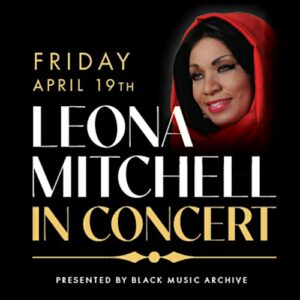
MET Opera Legend Leona Mitchell Live in Concert
Leona Mitchell, the MET Opera’s leading Verdi soprano for 18 seasons, is returning to the stage April 19th in New York City. Get Tickets →
parterre in your box?
Get our free weekly newsletter delivered to your email.



Comments