

The mirror in the man
This production of Der Rosenkavalier (directed by Stefan Herheim for Staatstheater Stuttgart) looks fascinating:
Am Schluss sitzen die Feldmarschallin links, der Faninal rechts in der Loge und schauen milde, verstört, verletzt auf das jugendliche Paar Octavian-Sophie. Sie schicken sich ins Unvermeidliche – sie warten auf den Tod. Andere suchen ihn selbst: Pan an der Rampe schlingt die Splitterreste der silbernen Rose herunter, verblutet zu den für sie symbolhaft stehenden, verschränkten gleißenden Akkorden, die Honeck körperlos starr, eiskalt nebeneinander gesetzt spielen lässt. Ein letztes Zucken zu Strauss’ finalen Scherzotakten besiegelt: Pans Spiel ist aus. Der Sexus tot. [Stuttgareter Zeitung]
According to George Loomis in the New York Times, “bravos easily drowned out a few boos for the production team” for this Rosenkavalier, in contrast to the “essentially traditional Boccanegra” (by Federico Tiezzi, starring Placido Domingo), which “was roundly booed” in Berlin.
George Loomis is gold.
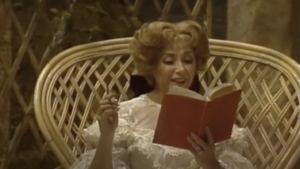
The opening shots look like something from the Cunning Little Rosen-Vixen.
Despite his sporadic successes, here’s one of the original regie bullshitters:
http://www.youtube.com/watch?v=sH04Lw3WeJA
oops:
QPF – I am seeing the Konwitschny Salome later this month – with Annalena Persson. I am very curious. His Daphne a few years back was really great.
Is it possible that Domingo is singing all of his Boccanegra lines one octave too high? Drop everything an octave and he’ll sound more like a baritone.
poof! Amen.
Domingo is placing his Boccanegra exactly where it needs to be for HIS voice. He is sounding wonderful during the Berlin run. The George Loomis NYT review of 3 November 2009 tells it like it is: “The rub, of course, is that Boccanegra is a baritone role and Mr. Domingo a tenor. Does this do violence to Verdi’s design? Hardly. Mr. Domingo’s noble performance establishes Boccanegra as one of those rare roles where stature transcends voice type. Purely vocal display is foreign to it; it even lacks a conventional aria. One of Boccanegra’s most arresting moments comes during the great council chamber scene when he addresses the city’s opposing factions. Yes, the sound of a richly resonant baritone is always welcome, but Mr. Domingo’s burnished tone was deeply moving when urging peace and love. In sterling form throughout, he brought a deft touch to the final word, “figlia” (daughter), of the recognition duet with Amelia, a problematic moment for baritones.”
Sophie, I don’t think we are in Kansas anymore.