
Headshot of La Cieca

Cher Public

  • manou: Keks - this is very funny. My husband and I read it at the G...
  • Nerva Nelli: I was lucky to hear Ciofi sing Lucie in Paris in 2002 with T...
  • Nerva Nelli: Yes, it's high time they brought him back in a leading part....
  • La Cieca: There is also the point that the Met is very strict about it...
  • armerjacquino: Ciofi has hardly ever sung outside Europehttp://ciofi.bl...
  • Quanto Painy Fakor: Even though Kyle Kettleson is known in major roles in intern...
  • Ercole Farnese: All the singers you mentioned are different cases: Agresta i...
  • Nerva Nelli: "Is it because of the American preference for the Internatio...
  • CarlottaBorromeo: Deborah Warner didn't direct the Ring at ENO. It was Phyllid...
  • kekszakallu: I remember the BBC2 Sophocles plays from the 1980s - I didn'...

blog advertising is good for you

Happy birthday Edith Head

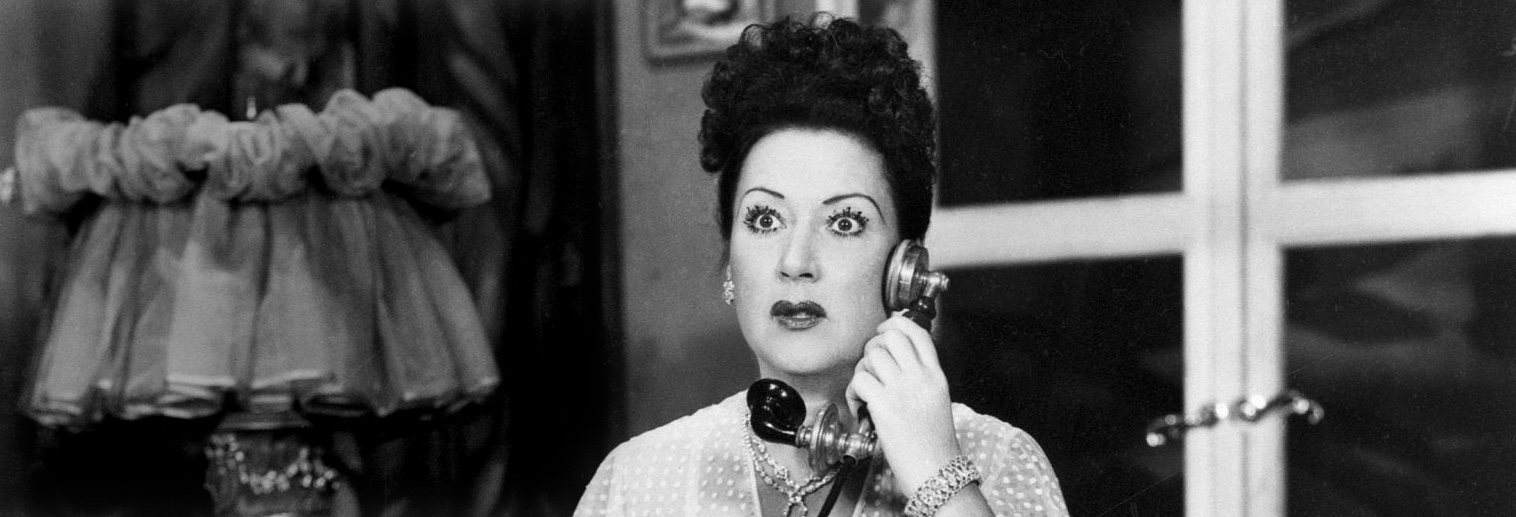
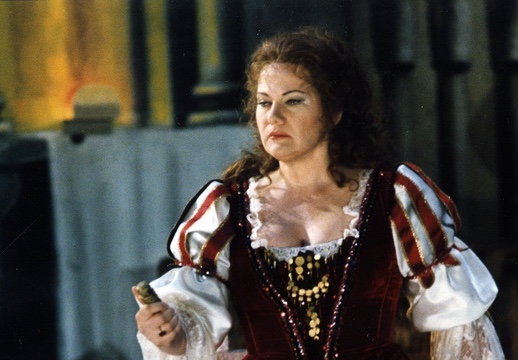
The legendary costume designer for film was born October 28, 1897 in Searchlight, Nevada. Miss Head dressed practically everyone in Hollywood, including Helen Traubel, seen after the jump in an outtake from the 1961 comedy The Ladies’ Man.

55 comments

  • operaguy says:

    Re Bing -
    According to his first autobiography, Bing retained Traubel because he had to avoid making it seem he was pushing an American out to make a place for Flagstad. It’s hard to imagine now, but Bing was bitterly attacked for hiring Flagstad (due to husband’s collaboration with the Quislings). There’s a quote in his bio that Billy Rose (a major B’way producer of the time) suggested in print, that after Flagstad, Bing was going to hire the Nazi monster who made lampshades of human skin to be in charge of wardrobe at the Met.

    From his second auto-biography, he eventually came to be on very good terms with Callas – their correspondence was very friendly when he was trying to get her back at the Met in a double bill: Poulenc’s La voix humaine and as an actress in Richard’s Strauss Joseph Legend ballet, opposite Nureyev. He admitted it would be a short evening but that getting Callas twice, once opposite Nureyev, should be enough for the public.

    I understand Roberta Peters also visited him several times during his last years.

    Bing had plans to hire Furtwangler – once the board turned him down; the second time they approved, but Furtwangler died before he could come. His Nazi associations had been behind the boards objections. Bing’s objections to those who felt were Nazi collaborators delayed the debuts of Gottlob Frick and Elisabeth Schwarzkopf.

  • operaguy says:

    Tenor:
    Bing may have objected to Merrill going to Hollywood, but the reason he was fired is that he broke a contractual agreement to sing in Don Carlo on the Met tour in order to make “Aaron Slick from Pumpkin Crick” [No! I am not making that up!] His firing was a warning shot across the bow of all Met singers that the days of “Good old Eddie” [Johnson] were over.

  • Will says:

    messa di voce–thanks for the kind comment.

    Tenoredigrazia–yes, indeed.

  • richard says:

    ““And he must have had knipshins when Steber sang at the baths.”

    Why? That was long after Bing had banished her from the Met.”

    True, but also by the time Steber did her gig at the Baths (1973) Bing was also retired from the Met.

    Bing mellowed to the point of appearing in a non singing role in the NYCO production of Henze’s The Young Lord in the mid 70s.

  • richard says:

    Talking of Melchior and Traubel at Edward Johnson’s Met and lax atmosphere, does anyone know if they even did full dress rehearsals
    of operas that were in every season’s repertory?

    I don’t know, I’m not saying it’s the case but I got the impression that , say Tristan would have only piano rehearsals as it was done season in, season out and the singers rotated anyway quite a bit.

    A major revival would be another matter. Particularly the very rare new productions.

    Does anyone know to what extent operas were reheared in the Johnson years?

    As I mentioned, Kolodin’s History of the MEtropolitan Opera has hundreds of pages of intense detail. And from the 1930s on, much of the performance commentary is first hand from Kolodin himself. (He mentions that a period in the early 40s had limited coverage because he was in active service)